
 ອາຟຣິກາ
 ອາຊີ
ອາຊີ ເອີຣົບ
 ອາເມລິກາໃຕ້
 ອົດສະຕຣາລີ ແລະ ໂອເຊຍເນຍ
 ແອນຕາກຕິກາ
 ມະຫາສະໝຸດປາຊີຟິກ
 ມະຫາສະໝຸດອັດລັງຕິກ
 ມະຫາສະໝຸດອິນເດຍ
 ມະຫາສະໝຸດອາກຕິກ
 ທະເລເມດິເຕີເຣນຽນ
 ທະເລແດງ
 ທະເລຄາຣິບບຽນ
 ທະເລຄໍຣັລ
 ທະເລຈີນໃຕ້
 ທະເລຟິລິບປິນ
 ທະເລອັນດາມັນ
 ທະເລເໜືອ
 ທະເລຕີມໍ ແລະ ທະເລອາຣາຟູຣາ
 ອ່າວເບັງກອນ
 ອ່າວແຄລິຟໍເນຍ
Pacific sea nettle
 ໜວດພິດ
The Pacific sea nettle is a large jellyfish with a golden-brown bell and long, trailing tentacles. It lives in the cool and temperate coastal waters of the northeastern Pacific Ocean, from southern British Columbia down to Mexico. Its sting is irritating, but it is rarely dangerous to people.1



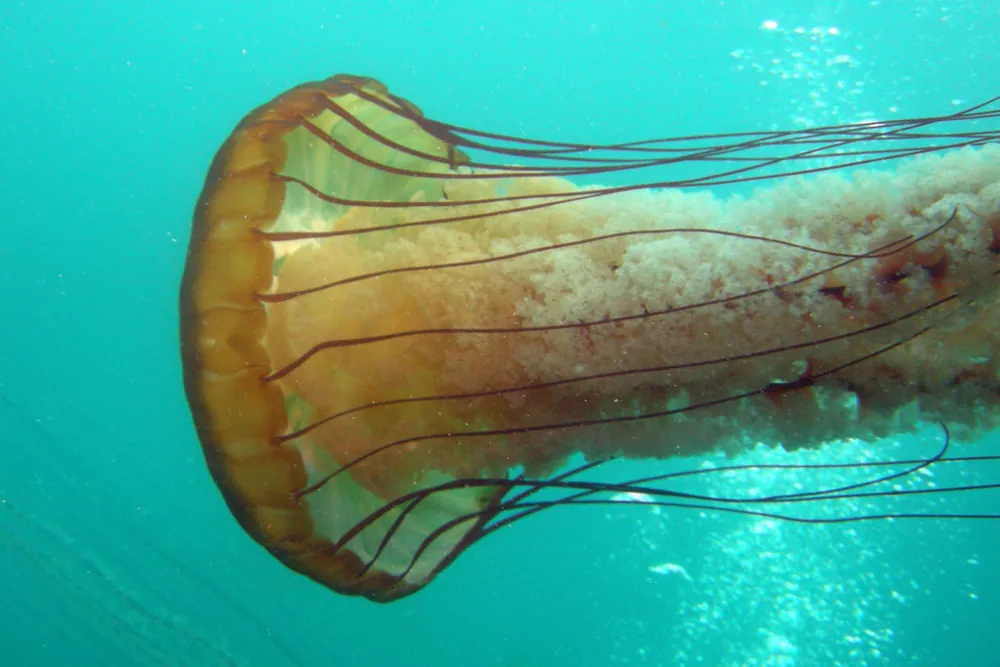
 ວິທີສັງເກດມັນ
ພະລັງພິດ
ເຊວເຂັມພິດນ້ອຍໆຫຼາຍພັນເຊວ ຍິງອອກເມື່ອມີຫຍັງມາແຕະພວກມັນ
ພິດທີ່ມັນປ່ອຍອອກມາເຮັດຫຍັງ?
When prey touches the tentacles, thousands of stinging cells (nematocysts) fire barbed stingers that inject venom. The venom contains proteins, including proteases and pore-forming toxins, which can disrupt cell membranes and tissues. The venom is effective against prey and humans, but is typically not lethal to people.1
ມັນອັນຕະລາຍຕໍ່ຄົນປານໃດ?
ອັນຕະລາຍຕໍ່ຄົນ: ເຈັບມັນເຈັບຫຼາຍແທ້, ແຕ່ເກືອບບໍ່ເຄີຍຮ້າຍແຮງIts sting is often irritating and possibly mildly painful to people, but it is rarely dangerous. It is typically nonlethal to humans.1
ມັນເຮັດແນວໃດເວລາມັນຢ້ານ?
Its stinging tentacles are its main defence, although some animals, such as leatherback turtles, are not bothered by the sting.1
 ຖ້າມັນຕອດ
- ຂຶ້ນຈາກນ້ຳ ແລະ ເກັບໜວດພິດອອກ (ໃຊ້ຖົງມື ຫຼື ຜ້າ)
- ສຳລັບແມງກະພຸນກ່ອງເຂດຮ້ອນ: ເທນ້ຳສົ້ມສາຍຊູໃສ່ບ່ອນຖືກຕອດຢ່າງໜ້ອຍ 30 ວິນາທີ, ໂທຂໍຄວາມຊ່ວຍເຫຼືອ ແລະ ກຽມພ້ອມເຮັດ CPR (ການກູ້ຊີບ) ສຳລັບແມງກະພຸນຂວດສີຟ້າ ແລະ ຊະນິດອື່ນໆສ່ວນຫຼາຍ: ລ້າງດ້ວຍນ້ຳທະເລ, ແລ້ວໃຊ້ນ້ຳຮ້ອນເພື່ອບັນເທົາຄວາມເຈັບ
ໂທຫາເບີສຸກເສີນກ່ອນສະເໝີ (112, 000, 911) ນີ້ແມ່ນຄຳແນະນຳການປະຖົມພະຍາບານທົ່ວໄປ, ບໍ່ແມ່ນຄຳແນະນຳທາງການແພດ ພື້ນຖານການປະຖົມພະຍາບານ
 ຢູ່ຢ່າງປອດໄພ
- ຢ່າຈັບ, ຢ່າຈັບເອົາ ຫຼື ຢ່າຫຍອກສັດປ່າເດັດຂາດ, ເຖິງແມ່ນມັນໂຕນ້ອຍ ແລະ ເຖິງແມ່ນມັນເບິ່ງຄືນອນຫຼັບ ຫຼື ຕາຍແລ້ວ
- ໃຫ້ພື້ນທີ່ມັນ ຖ້າເຈົ້າພົບມັນ, ໃຈເຢັນໄວ້, ຖອຍຫຼັງຊ້າໆ ແລະ ປ່ອຍໃຫ້ມັນໄປທາງຂອງມັນ
- ຖ້າມີໂຕໃດຕອດເຈົ້າ: ໃຈເຢັນໄວ້, ຢູ່ນິ້ງໆ, ໂທຫາເບີສຸກເສີນ (112, 000, 911) ຫຼື ໄປໂຮງໝໍໃຫ້ໄວ ຈື່ໄວ້ວ່າມັນມີລັກສະນະແນວໃດ, ຮູບຖ່າຍຊ່ວຍໄດ້
ມັນບໍ່ໄດ້ຢາກທຳຮ້າຍເຈົ້າ ມັນໃຊ້ພິດເພື່ອຈັບອາຫານ ຫຼື ເພື່ອປ້ອງກັນຕົວ, ແລະ ມັນມັກລີ້ຫຼາຍກວ່າ ເພີ່ມເຕີມກ່ຽວກັບການຢູ່ຢ່າງປອດໄພ
ມັນໃຫຍ່ປານໃດ?
ມັນຍາວປານໃດ?
 ຍາວເທົ່າແມວບ້ານ 2 ໂຕຕໍ່ດັງຕໍ່ຫາງ
 ຍາວເທົ່າກ້ວຍ 6 ໜ່ວຍຕໍ່ກັນ
Pacific sea nettle ໃຫຍ່ປານໃດ ເມື່ອທຽບກັບເຈົ້າ?
ພຽງແຕ່ຄິດໄລ່ໃນບຣາວເຊີຂອງເຈົ້າ ບໍ່ມີຫຍັງຖືກບັນທຶກ ຫຼື ສົ່ງໄປບ່ອນໃດ
ມັນໄວປານໃດ?


ຂໍ້ມູນ
Small fish and crabs sometimes hide inside its bell, where they may feed on it.1
It uses light-sensing organs called ocelli to migrate from deep water up to the surface.1
It swims by jet propulsion, squeezing its bell to push water out, though it mostly floats.1
Its population may be growing because of nutrient pollution from human sources, which feeds algal blooms and the wider food chain.1
It is kept in many aquariums because of its bright colours and very long tentacles, and it is low-maintenance in captivity.1
ສຳລັບຜູ້ຊ່ຽວຊານດ້ານພິດ
- ຊື່ວິທະຍາສາດ
- Chrysaora fuscescens
- ກຸ່ມ
- ແມງກະພຸນ ແລະ ສັດທະເລທີ່ຕອດໄດ້
- ຄອບຄົວ
- Pelagiidae2
- ອັນດັບ
- Semaeostomeae
- ທະວີບຕ່າງໆ
- ມະຫາສະໝຸດປາຊີຟິກ, ມະຫາສະໝຸດ
- ລູກສັດ
- Females hold fertilised eggs on their oral arms, where they grow into free-swimming larvae. The larvae settle, become polyps, and bud new polyps before developing into jellyfish. No number is given.1
- ອັນຕະລາຍຕໍ່ຄົນ
- 2 / 5: ເຈັບ3
ຂໍ້ມູນມາຈາກໃສ
- Chrysaora fuscescens (Wikipedia (CC BY-SA 4.0))
- Chrysaora fuscescens (iNaturalist): ຊື່ ແລະ ການຈັດໝວດໝູ່
- Venom Wiki: ລະດັບອັນຕະລາຍ, ຂະໜາດທົ່ວໄປ ແລະ ຄວາມໄວທີ່ຄາດຄະເນ ແມ່ນຂອງພວກເຮົາເອງ ເບິ່ງວ່າພວກເຮົາຄິດໄລ່ແນວໃດ: ພວກເຮົາໃຫ້ຄະແນນອັນຕະລາຍແນວໃດ.
ທຸກຂໍ້ມູນໃນໜ້ານີ້ມີຕົວເລກທີ່ຊີ້ໄປຫາແຫຼ່ງທີ່ມາ ຖ້າພວກເຮົາຜິດພາດ, ຂໍໂທດເດີ້, ພວກເຮົາເປັນຄົນມັກສັດ ບໍ່ແມ່ນວາລະສານວິທະຍາສາດ ບອກພວກເຮົາທີ່ [email protected] ແລ້ວພວກເຮົາຈະແກ້ໄຂ
 ແມງເງົາຫິວແລ້ວ! Venom Wiki ເປັນໂຄງການຂອງຄົນຄົນດຽວ: ຟຣີ, ບໍ່ມີໂຄສະນາ ແລະ ບໍ່ມີຕົວຕິດຕາມ ທິບນ້ອຍໆຊ່ວຍໃຫ້ມັນຢູ່ອອນລາຍຕໍ່ໄປໄດ້ໃຫ້ອາຫານແມງເງົາ
ເພີ່ມເຕີມຈາກກຸ່ມດຽວກັນ: ແມງກະພຸນ ແລະ ສັດທະເລທີ່ຕອດໄດ້
 Australian box jellyfishແມງກະພຸນ ແລະ ສັດທະເລທີ່ຕອດໄດ້ເຖິງຕາຍຫ້າມຈັບ
 Irukandji jellyfishແມງກະພຸນ ແລະ ສັດທະເລທີ່ຕອດໄດ້ເຖິງຕາຍໄດ້ຫ້າມຈັບ
 Portuguese man o' warແມງກະພຸນ ແລະ ສັດທະເລທີ່ຕອດໄດ້ຕ້ອງໄປຫາໝໍຫ້າມຈັບ
 Lion's mane jellyfishແມງກະພຸນ ແລະ ສັດທະເລທີ່ຕອດໄດ້ພຽງແຕ່ເຈັບຫ້າມຈັບ
 Moon jellyfishແມງກະພຸນ ແລະ ສັດທະເລທີ່ຕອດໄດ້ບໍ່ມີອັນຕະລາຍ
 Common kingslayerແມງກະພຸນ ແລະ ສັດທະເລທີ່ຕອດໄດ້ເຖິງຕາຍໄດ້ຫ້າມຈັບ
 Geography cone
 Greater blue-ringed octopus
 Japanese pufferfish
 Southern blue-ringed octopus
 Hawksbill sea turtle
 Reef stonefish