
 ອາຟຣິກາ
 ອາຊີ
ອາຊີ ເອີຣົບ
 ອາເມລິກາໃຕ້
 ອົດສະຕຣາລີ ແລະ ໂອເຊຍເນຍ
 ແອນຕາກຕິກາ
 ມະຫາສະໝຸດປາຊີຟິກ
 ມະຫາສະໝຸດອັດລັງຕິກ
 ມະຫາສະໝຸດອິນເດຍ
 ມະຫາສະໝຸດອາກຕິກ
 ທະເລເມດິເຕີເຣນຽນ
 ທະເລແດງ
 ທະເລຄາຣິບບຽນ
 ທະເລຄໍຣັລ
 ທະເລຈີນໃຕ້
 ທະເລຟິລິບປິນ
 ທະເລອັນດາມັນ
 ທະເລເໜືອ
 ທະເລຕີມໍ ແລະ ທະເລອາຣາຟູຣາ
 ອ່າວເບັງກອນ
 ອ່າວແຄລິຟໍເນຍ
Persian horned viper
 ກັດ
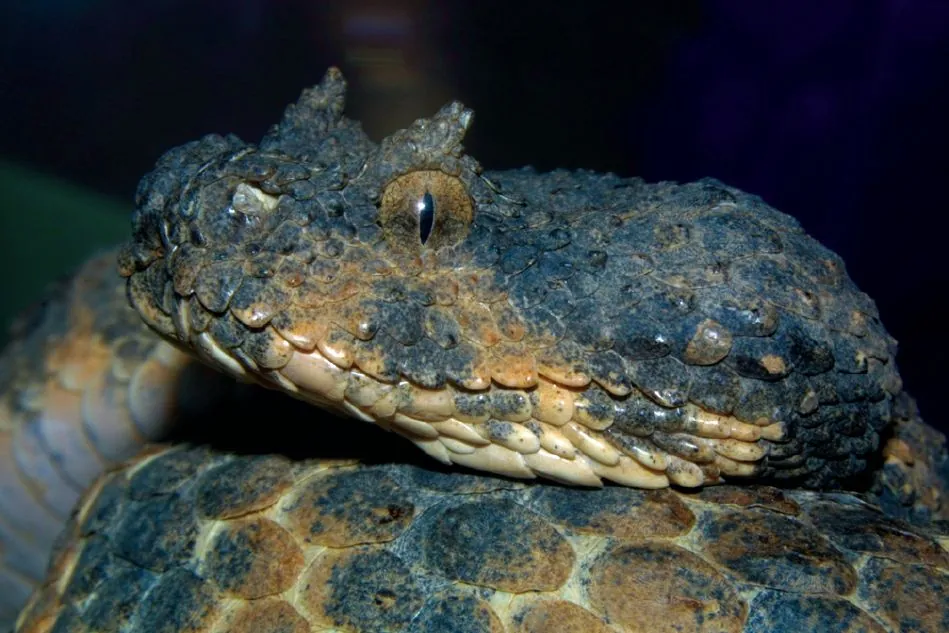
ກັດThe Persian horned viper is a venomous viper with horn-like scales above each eye. It lives in deserts and hill country in the Middle East and parts of Asia, and it is mostly active at night. Its venom causes strong bleeding, and no specific antivenom is available for its bites.1



 ວິທີສັງເກດມັນ
- A broad, flat head that is clearly distinct from the neck1
- A horn-like structure of small scales above each eye, also present in juveniles1
- A short tail1
- Body scales with keels that often end in a bump or a point1
- Slow-moving and almost entirely nocturnal, so usually seen at night or in the early evening during colder periods1
ພະລັງພິດ
ພິດອອກມາທາງເຂ້ຍ ຫຼື ແຂ້ວຂອງມັນ ເວລາມັນກັດ
ພິດທີ່ມັນປ່ອຍອອກມາເຮັດຫຍັງ?
Its venom has strong haemorrhagic activity, which means it causes bleeding by damaging blood vessels, as is typical of most vipers. No specific antivenom is available for its bites. A polyvalent antiserum, which is made to work against several snake species, is reported to offer some protection.1
ມັນອັນຕະລາຍຕໍ່ຄົນປານໃດ?
ອັນຕະລາຍຕໍ່ຄົນ: ຮ້າຍແຮງຖ້າຖືກມັນກັດ ຕ້ອງໄປຫາໝໍ ການເສຍຊີວິດເກີດຂຶ້ນໜ້ອຍຫຼາຍມັນເຮັດແນວໃດເວລາມັນຢ້ານ?
It is not particularly aggressive, but it will hiss loudly when disturbed.1
 ຖ້າມັນກັດ
- ໃຫ້ຜູ້ປ່ວຍຢູ່ນິ້ງໆ ແລະ ໃຈເຢັນ, ໃຫ້ແຂນ ຫຼື ຂາທີ່ຖືກກັດຢູ່ລະດັບດຽວກັບຫົວໃຈ, ຖອດແຫວນ ແລະ ສິ່ງທີ່ຮັດແໜ້ນອອກ, ແລະ ໄປໂຮງໝໍໃຫ້ໄວ
ໂທຫາເບີສຸກເສີນກ່ອນສະເໝີ (112, 000, 911) ນີ້ແມ່ນຄຳແນະນຳການປະຖົມພະຍາບານທົ່ວໄປ, ບໍ່ແມ່ນຄຳແນະນຳທາງການແພດ ພື້ນຖານການປະຖົມພະຍາບານ
 ຢູ່ຢ່າງປອດໄພ
- ຢ່າຈັບ, ຢ່າຈັບເອົາ ຫຼື ຢ່າຫຍອກສັດປ່າເດັດຂາດ, ເຖິງແມ່ນມັນໂຕນ້ອຍ ແລະ ເຖິງແມ່ນມັນເບິ່ງຄືນອນຫຼັບ ຫຼື ຕາຍແລ້ວ
- ໃຫ້ພື້ນທີ່ມັນ ຖ້າເຈົ້າພົບມັນ, ໃຈເຢັນໄວ້, ຖອຍຫຼັງຊ້າໆ ແລະ ປ່ອຍໃຫ້ມັນໄປທາງຂອງມັນ
- ຖ້າມີໂຕໃດກັດເຈົ້າ: ໃຈເຢັນໄວ້, ຢູ່ນິ້ງໆ, ໂທຫາເບີສຸກເສີນ (112, 000, 911) ຫຼື ໄປໂຮງໝໍໃຫ້ໄວ ຈື່ໄວ້ວ່າມັນມີລັກສະນະແນວໃດ, ຮູບຖ່າຍຊ່ວຍໄດ້
ມັນບໍ່ໄດ້ຢາກທຳຮ້າຍເຈົ້າ ມັນໃຊ້ພິດເພື່ອຈັບອາຫານ ຫຼື ເພື່ອປ້ອງກັນຕົວ, ແລະ ມັນມັກລີ້ຫຼາຍກວ່າ ເພີ່ມເຕີມກ່ຽວກັບການຢູ່ຢ່າງປອດໄພ
ມັນໃຫຍ່ປານໃດ?
ມັນຍາວປານໃດ?
ມັນໜັກປານໃດ?
 ຍາວເທົ່າແມວບ້ານ 2 ໂຕຕໍ່ດັງຕໍ່ຫາງ
 ຍາວເທົ່າກ້ວຍ 6 ໜ່ວຍຕໍ່ກັນ
 ແລ່ນ 100 ແມັດໄດ້ໃນ 110 ວິນາທີ (ຄົນທີ່ໄວທີ່ສຸດໃຊ້ 9.6)
Persian horned viper ໃຫຍ່ປານໃດ ເມື່ອທຽບກັບເຈົ້າ?
ພຽງແຕ່ຄິດໄລ່ໃນບຣາວເຊີຂອງເຈົ້າ ບໍ່ມີຫຍັງຖືກບັນທຶກ ຫຼື ສົ່ງໄປບ່ອນໃດ
ມັນໄວປານໃດ?


ຂໍ້ມູນ
Unlike the sand-dwelling Cerastes vipers, it cannot sink into sand vertically.1
It moves by sidewinding, serpentine and rectilinear movement, depending on the situation.1
It can attain a considerable weight for its size, with some specimens exceeding 500 g.1
Its horn-like scales are present even in young snakes.1
Females are usually larger than males.1
ຂໍ້ມູນມາຈາກໃສ
- Persian horned viper (Wikipedia (CC BY-SA 4.0))
- Pseudocerastes persicus (iNaturalist): ຊື່ ແລະ ການຈັດໝວດໝູ່
- Venom Wiki: ລະດັບອັນຕະລາຍ, ຂະໜາດທົ່ວໄປ ແລະ ຄວາມໄວທີ່ຄາດຄະເນ ແມ່ນຂອງພວກເຮົາເອງ ເບິ່ງວ່າພວກເຮົາຄິດໄລ່ແນວໃດ: ພວກເຮົາໃຫ້ຄະແນນອັນຕະລາຍແນວໃດ.
ທຸກຂໍ້ມູນໃນໜ້ານີ້ມີຕົວເລກທີ່ຊີ້ໄປຫາແຫຼ່ງທີ່ມາ ຖ້າພວກເຮົາຜິດພາດ, ຂໍໂທດເດີ້, ພວກເຮົາເປັນຄົນມັກສັດ ບໍ່ແມ່ນວາລະສານວິທະຍາສາດ ບອກພວກເຮົາທີ່ [email protected] ແລ້ວພວກເຮົາຈະແກ້ໄຂ
 ແມງເງົາຫິວແລ້ວ! Venom Wiki ເປັນໂຄງການຂອງຄົນຄົນດຽວ: ຟຣີ, ບໍ່ມີໂຄສະນາ ແລະ ບໍ່ມີຕົວຕິດຕາມ ທິບນ້ອຍໆຊ່ວຍໃຫ້ມັນຢູ່ອອນລາຍຕໍ່ໄປໄດ້ໃຫ້ອາຫານແມງເງົາ
 Indian saw-scaled viper
 Puff adder
 Russell's viper
 Common European adder
 Eastern Russell's viper
 Northeast African carpet viper
 Deathstalker
 Indian cobra
 King cobra
 Asian giant hornet
 Komodo dragon
 Spanish fly