
 ອາຟຣິກາ
 ອາຊີ
ອາຊີ ເອີຣົບ
 ອາເມລິກາໃຕ້
 ອົດສະຕຣາລີ ແລະ ໂອເຊຍເນຍ
 ແອນຕາກຕິກາ
 ມະຫາສະໝຸດປາຊີຟິກ
 ມະຫາສະໝຸດອັດລັງຕິກ
 ມະຫາສະໝຸດອິນເດຍ
 ມະຫາສະໝຸດອາກຕິກ
 ທະເລເມດິເຕີເຣນຽນ
 ທະເລແດງ
 ທະເລຄາຣິບບຽນ
 ທະເລຄໍຣັລ
 ທະເລຈີນໃຕ້
 ທະເລຟິລິບປິນ
 ທະເລອັນດາມັນ
 ທະເລເໜືອ
 ທະເລຕີມໍ ແລະ ທະເລອາຣາຟູຣາ
 ອ່າວເບັງກອນ
 ອ່າວແຄລິຟໍເນຍ
Rhodnius kissing bug
 ກັດ
ກັດThe Rhodnius kissing bug is a blood-feeding insect that feeds on the skin around people's mouths while they sleep. It lives in northern South America and Central America, and it matters because it spreads the parasite that causes Chagas disease.1



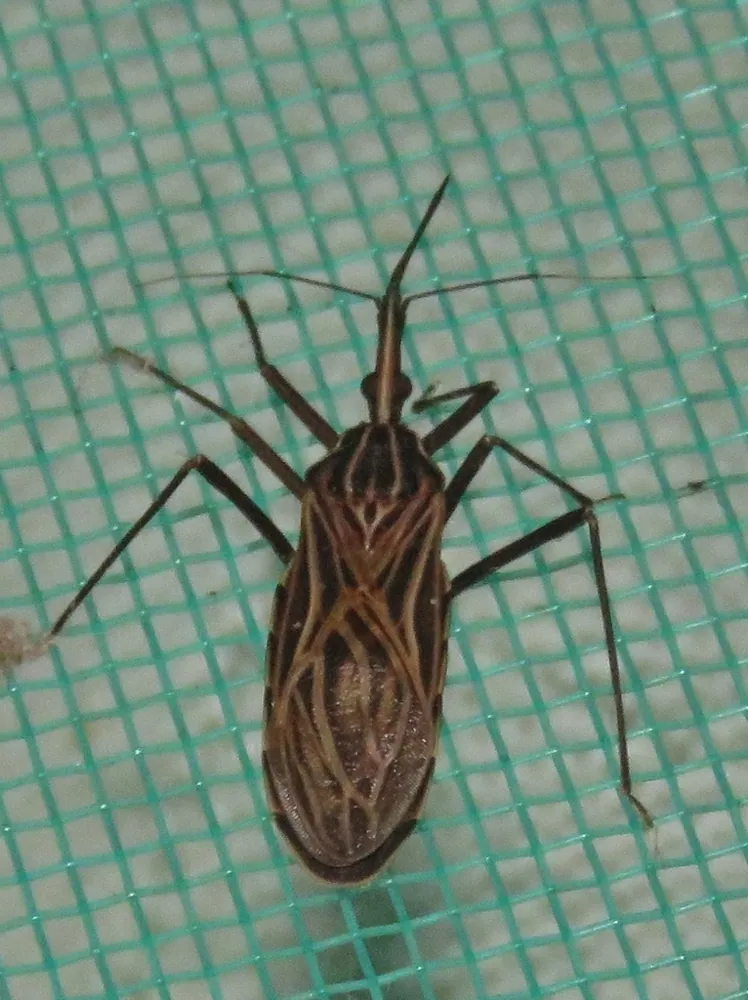
 ວິທີສັງເກດມັນ
ພະລັງພິດ
ພິດອອກມາທາງເຂ້ຍ ຫຼື ແຂ້ວຂອງມັນ ເວລາມັນກັດ
ມັນອັນຕະລາຍຕໍ່ຄົນປານໃດ?
ອັນຕະລາຍຕໍ່ຄົນ: ຮ້າຍແຮງຖ້າຖືກມັນກັດ ຕ້ອງໄປຫາໝໍ ການເສຍຊີວິດເກີດຂຶ້ນໜ້ອຍຫຼາຍIt is the main carrier of the parasite that causes Chagas disease in northern South America, and the only carrier in Central America. The parasite is passed in the bug's faeces straight after a blood meal. People can become infected when they scratch the bite and rub the faeces into it, through a blood transfusion, or by eating food contaminated with the bug's faeces.1
 ຖ້າມັນກັດ
- ສຳລັບຂົນພິດຂອງບົ້ງ: ໃຊ້ສະກອດເທບຕິດຂົນອອກ, ແລ້ວລ້າງຜິວໜັງ ຢ່າຖູ
- ສຳລັບການຖືກກັດ: ລ້າງ ແລະ ເຮັດໃຫ້ເຢັນ ຂໍຄວາມຊ່ວຍເຫຼືອທາງການແພດຖ້າຜູ້ປ່ວຍຮູ້ສຶກບໍ່ສະບາຍ ຫຼື ເລືອດອອກງ່າຍ
ໂທຫາເບີສຸກເສີນກ່ອນສະເໝີ (112, 000, 911) ນີ້ແມ່ນຄຳແນະນຳການປະຖົມພະຍາບານທົ່ວໄປ, ບໍ່ແມ່ນຄຳແນະນຳທາງການແພດ ພື້ນຖານການປະຖົມພະຍາບານ
 ຢູ່ຢ່າງປອດໄພ
- ຢ່າຈັບ, ຢ່າຈັບເອົາ ຫຼື ຢ່າຫຍອກສັດປ່າເດັດຂາດ, ເຖິງແມ່ນມັນໂຕນ້ອຍ ແລະ ເຖິງແມ່ນມັນເບິ່ງຄືນອນຫຼັບ ຫຼື ຕາຍແລ້ວ
- ໃຫ້ພື້ນທີ່ມັນ ຖ້າເຈົ້າພົບມັນ, ໃຈເຢັນໄວ້, ຖອຍຫຼັງຊ້າໆ ແລະ ປ່ອຍໃຫ້ມັນໄປທາງຂອງມັນ
- ຖ້າມີໂຕໃດກັດເຈົ້າ: ໃຈເຢັນໄວ້, ຢູ່ນິ້ງໆ, ໂທຫາເບີສຸກເສີນ (112, 000, 911) ຫຼື ໄປໂຮງໝໍໃຫ້ໄວ ຈື່ໄວ້ວ່າມັນມີລັກສະນະແນວໃດ, ຮູບຖ່າຍຊ່ວຍໄດ້
ມັນບໍ່ໄດ້ຢາກທຳຮ້າຍເຈົ້າ ມັນໃຊ້ພິດເພື່ອຈັບອາຫານ ຫຼື ເພື່ອປ້ອງກັນຕົວ, ແລະ ມັນມັກລີ້ຫຼາຍກວ່າ ເພີ່ມເຕີມກ່ຽວກັບການຢູ່ຢ່າງປອດໄພ
ມັນໃຫຍ່ປານໃດ?
ມັນຍາວປານໃດ?
 ຍາວປະມານຄລິບໜີບເຈ້ຍອັນໜຶ່ງ
Rhodnius kissing bug ໃຫຍ່ປານໃດ ເມື່ອທຽບກັບເຈົ້າ?
ພຽງແຕ່ຄິດໄລ່ໃນບຣາວເຊີຂອງເຈົ້າ ບໍ່ມີຫຍັງຖືກບັນທຶກ ຫຼື ສົ່ງໄປບ່ອນໃດ
ມັນໄວປານໃດ?


ຂໍ້ມູນ
Its saliva contains lipocalins, which bind the chemical serotonin. This helps stop the host's blood vessels from narrowing while the bug feeds.1
Sir Vincent Wigglesworth used this bug to study insect hormones. He showed that removing the head during a larval stage makes the insect develop into an adult early.1
Specimens from Venezuela escaped from a research laboratory in San Salvador in 1915 and then spread through Central America, probably helped by travellers carrying them.1
Its wild populations have been linked to the transfer of transposons, which are pieces of DNA that move around, between the bug and some of its hosts, such as squirrel monkeys and opossums.1
The insect goes through five larval stages, and each one ends in a moult about 12 to 15 days after a large blood meal.1
ຂໍ້ມູນມາຈາກໃສ
- Rhodnius prolixus (Wikipedia (CC BY-SA 4.0))
- Rhodnius prolixus (iNaturalist): ຊື່ ແລະ ການຈັດໝວດໝູ່
- Venom Wiki: ລະດັບອັນຕະລາຍ, ຂະໜາດທົ່ວໄປ ແລະ ຄວາມໄວທີ່ຄາດຄະເນ ແມ່ນຂອງພວກເຮົາເອງ ເບິ່ງວ່າພວກເຮົາຄິດໄລ່ແນວໃດ: ພວກເຮົາໃຫ້ຄະແນນອັນຕະລາຍແນວໃດ.
ທຸກຂໍ້ມູນໃນໜ້ານີ້ມີຕົວເລກທີ່ຊີ້ໄປຫາແຫຼ່ງທີ່ມາ ຖ້າພວກເຮົາຜິດພາດ, ຂໍໂທດເດີ້, ພວກເຮົາເປັນຄົນມັກສັດ ບໍ່ແມ່ນວາລະສານວິທະຍາສາດ ບອກພວກເຮົາທີ່ [email protected] ແລ້ວພວກເຮົາຈະແກ້ໄຂ
 ແມງເງົາຫິວແລ້ວ! Venom Wiki ເປັນໂຄງການຂອງຄົນຄົນດຽວ: ຟຣີ, ບໍ່ມີໂຄສະນາ ແລະ ບໍ່ມີຕົວຕິດຕາມ ທິບນ້ອຍໆຊ່ວຍໃຫ້ມັນຢູ່ອອນລາຍຕໍ່ໄປໄດ້ໃຫ້ອາຫານແມງເງົາ
 Giant silkworm moth caterpillar
 Vinchuca kissing bug
 Giant water bug
 Puss caterpillar
 Saddleback caterpillar
 Wheel bug
 Terciopelo
 Eastern coral snake
 Eastern diamondback rattlesnake
 Eyelash viper
 Timber rattlesnake
 Western diamondback rattlesnake