
 ອາຟຣິກາ
 ອາຊີ
ອາຊີ ເອີຣົບ
 ອາເມລິກາໃຕ້
 ອົດສະຕຣາລີ ແລະ ໂອເຊຍເນຍ
 ແອນຕາກຕິກາ
 ມະຫາສະໝຸດປາຊີຟິກ
 ມະຫາສະໝຸດອັດລັງຕິກ
 ມະຫາສະໝຸດອິນເດຍ
 ມະຫາສະໝຸດອາກຕິກ
 ທະເລເມດິເຕີເຣນຽນ
 ທະເລແດງ
 ທະເລຄາຣິບບຽນ
 ທະເລຄໍຣັລ
 ທະເລຈີນໃຕ້
 ທະເລຟິລິບປິນ
 ທະເລອັນດາມັນ
 ທະເລເໜືອ
 ທະເລຕີມໍ ແລະ ທະເລອາຣາຟູຣາ
 ອ່າວເບັງກອນ
 ອ່າວແຄລິຟໍເນຍ
Splash-backed poison frog
 ມີພິດຢູ່ໃນຜິວໜັງ
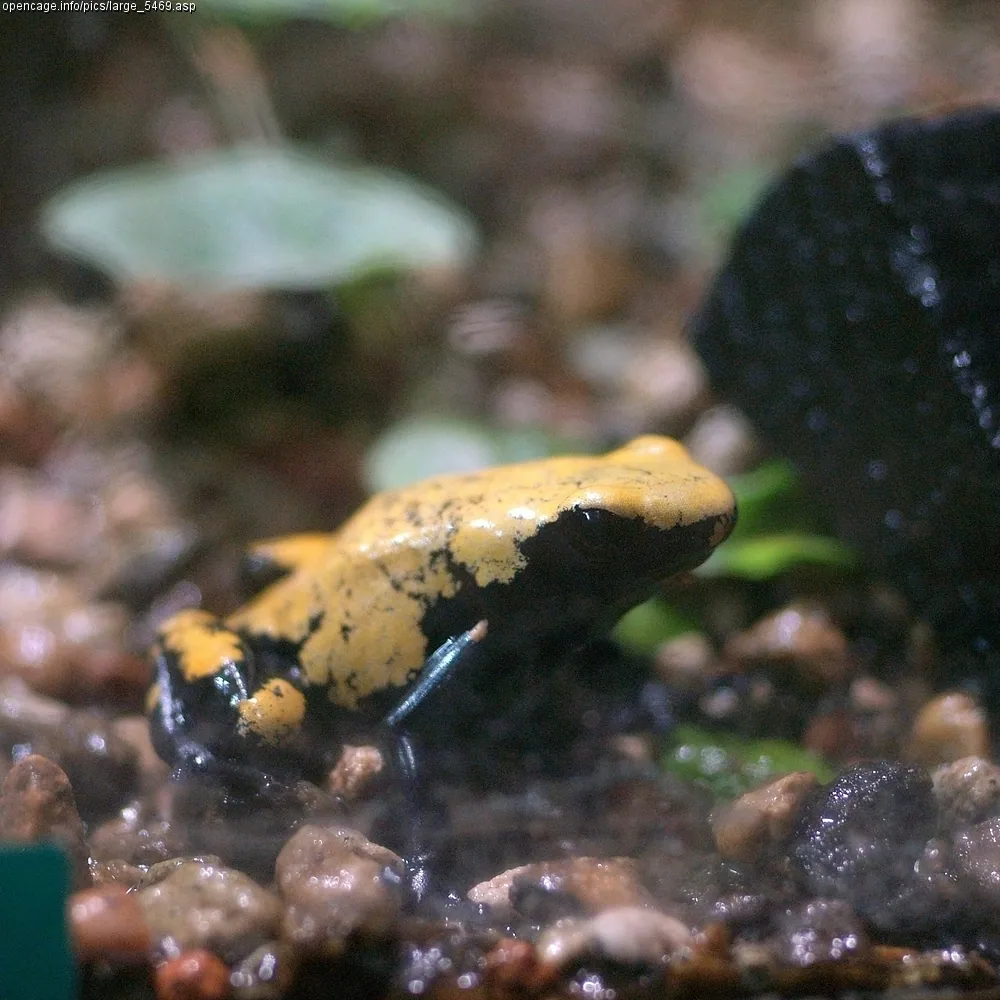
The splash-backed poison frog is a fairly large, brightly coloured frog from the rainforests of the southern Amazon Basin in Brazil. It is poisonous, not venomous, which means its skin is harmful to touch or eat rather than injecting venom with a bite. Its colours vary a great deal, which has made it an interesting case for scientists studying bright colours in poisonous frogs.1
 ວິທີສັງເກດມັນ
- The best-known form is black below and yellow, orange or red above.1
- Its colour is very variable. Some have whitish-mint or light blue upperparts, and some have a mottled or spotted pattern on top.1
- Some individuals are almost all whitish, yellow-orange or black. Captive keepers call the whitish ones 'moonshine'.1
- A relatively large poison dart frog, with a snout-vent length of up to 42 mm.1
ພະລັງພິດ
ຜິວໜັງຂອງມັນມີພິດ ມັນອັນຕະລາຍເມື່ອຈັບ, ເລຍ ຫຼື ກິນ
ມັນອັນຕະລາຍຕໍ່ຄົນປານໃດ?
ອັນຕະລາຍຕໍ່ຄົນ: ເຈັບມັນເຈັບຫຼາຍແທ້, ແຕ່ເກືອບບໍ່ເຄີຍຮ້າຍແຮງ ຖ້າມີຄົນໄປຈັບ ຫຼື ກິນມັນ
- ຖ້າມີຄົນໄປຈັບມັນ: ລ້າງມືໃຫ້ສະອາດດີ ແລະ ຢ່າຈັບຕາ ຫຼື ປາກ ຖ້າເດັກນ້ອຍ ຫຼື ສັດລ້ຽງໄປເລຍ ຫຼື ກິນມັນ: ໂທຫາສູນຂໍ້ມູນສານພິດ ຫຼື ເບີສຸກເສີນ
ໂທຫາເບີສຸກເສີນກ່ອນສະເໝີ (112, 000, 911) ນີ້ແມ່ນຄຳແນະນຳການປະຖົມພະຍາບານທົ່ວໄປ, ບໍ່ແມ່ນຄຳແນະນຳທາງການແພດ ພື້ນຖານການປະຖົມພະຍາບານ
 ຢູ່ຢ່າງປອດໄພ
- ຢ່າຈັບ, ຢ່າຈັບເອົາ ຫຼື ຢ່າຫຍອກສັດປ່າເດັດຂາດ, ເຖິງແມ່ນມັນໂຕນ້ອຍ ແລະ ເຖິງແມ່ນມັນເບິ່ງຄືນອນຫຼັບ ຫຼື ຕາຍແລ້ວ
- ໃຫ້ພື້ນທີ່ມັນ ຖ້າເຈົ້າພົບມັນ, ໃຈເຢັນໄວ້, ຖອຍຫຼັງຊ້າໆ ແລະ ປ່ອຍໃຫ້ມັນໄປທາງຂອງມັນ
- ຖ້າເຈົ້າໄປຈັບ ຫຼື ກິນມັນ: ຢ່າຖູຕາ ຫຼື ປາກ, ລ້າງມື ແລະ ໄປຫາໝໍ
ມັນບໍ່ໄດ້ຢາກທຳຮ້າຍເຈົ້າ ພິດຂອງມັນມີໄວ້ພຽງເພື່ອບໍ່ໃຫ້ຫຍັງມາກິນມັນ ເພີ່ມເຕີມກ່ຽວກັບການຢູ່ຢ່າງປອດໄພ
ມັນໃຫຍ່ປານໃດ?
ມັນຍາວປານໃດ?
 ສັ້ນກວ່ານິ້ວກ້ອຍຂອງເຈົ້າ
 ແລ່ນ 100 ແມັດໄດ້ໃນ 97 ວິນາທີ (ຄົນທີ່ໄວທີ່ສຸດໃຊ້ 9.6)
Splash-backed poison frog ໃຫຍ່ປານໃດ ເມື່ອທຽບກັບເຈົ້າ?
ພຽງແຕ່ຄິດໄລ່ໃນບຣາວເຊີຂອງເຈົ້າ ບໍ່ມີຫຍັງຖືກບັນທຶກ ຫຼື ສົ່ງໄປບ່ອນໃດ
ມັນໄວປານໃດ?


ຂໍ້ມູນ
Bright colour in poisonous frogs is often thought to warn predators away, but studies of this frog suggest the colour may matter more for recognising each other and for choosing mates.1
Adults carry their tadpoles to water, and scientists believe Brazil nut husks may be among the places they use.1
Its colours vary so much that some forms were once thought to be separate species, but genetic tests found almost no difference between them.1
The two most different-looking colour forms have largely the same poison profile.1
It is relatively common and regularly bred in captivity, but wild populations are still at risk from illegal collection.1
ນັກລົບລ້າງຄວາມເຊື່ອຜິດໆ
ຄວາມເຊື່ອຜິດໆ: Bright colours on a poisonous frog always warn predators that it will poison them if they try to eat it.
ຄວາມຈິງ: That is a longstanding interpretation, but studies of this frog suggest its colour may have more to do with recognising others of its kind and sexual selection than with deterring predators.1
ສຳລັບຜູ້ຊ່ຽວຊານດ້ານພິດ
- ຊື່ວິທະຍາສາດ
- Adelphobates galactonotus
- ກຸ່ມ
- ກົບພິດ, ຄັນຄາກ ແລະ ນິວ
- ຄອບຄົວ
- Dendrobatidae2
- ອັນດັບ
- Anura
- ທະວີບຕ່າງໆ
- ອາເມລິກາໃຕ້
- ລູກສັດ
- Eggs are laid on the ground. After they hatch, the adults carry the tadpoles to water, possibly including water collected in Brazil nut husks.1
- ສະຖານະຂອງມັນໃນທຳມະຊາດ
- Least Concern1
- ອັນຕະລາຍຕໍ່ຄົນ
- 2 / 5: ເຈັບ3
ຂໍ້ມູນມາຈາກໃສ
- Adelphobates galactonotus (Wikipedia (CC BY-SA 4.0))
- Adelphobates galactonotus (iNaturalist): ຊື່ ແລະ ການຈັດໝວດໝູ່
- Venom Wiki: ລະດັບອັນຕະລາຍ, ຂະໜາດທົ່ວໄປ ແລະ ຄວາມໄວທີ່ຄາດຄະເນ ແມ່ນຂອງພວກເຮົາເອງ ເບິ່ງວ່າພວກເຮົາຄິດໄລ່ແນວໃດ: ພວກເຮົາໃຫ້ຄະແນນອັນຕະລາຍແນວໃດ.
ທຸກຂໍ້ມູນໃນໜ້ານີ້ມີຕົວເລກທີ່ຊີ້ໄປຫາແຫຼ່ງທີ່ມາ ຖ້າພວກເຮົາຜິດພາດ, ຂໍໂທດເດີ້, ພວກເຮົາເປັນຄົນມັກສັດ ບໍ່ແມ່ນວາລະສານວິທະຍາສາດ ບອກພວກເຮົາທີ່ [email protected] ແລ້ວພວກເຮົາຈະແກ້ໄຂ
 ແມງເງົາຫິວແລ້ວ! Venom Wiki ເປັນໂຄງການຂອງຄົນຄົນດຽວ: ຟຣີ, ບໍ່ມີໂຄສະນາ ແລະ ບໍ່ມີຕົວຕິດຕາມ ທິບນ້ອຍໆຊ່ວຍໃຫ້ມັນຢູ່ອອນລາຍຕໍ່ໄປໄດ້ໃຫ້ອາຫານແມງເງົາ
ເພີ່ມເຕີມຈາກກຸ່ມດຽວກັນ: ກົບພິດ, ຄັນຄາກ ແລະ ນິວ
 Golden poison frogກົບພິດ, ຄັນຄາກ ແລະ ນິວເຖິງຕາຍຫ້າມຈັບ
 Cane toadກົບພິດ, ຄັນຄາກ ແລະ ນິວຕ້ອງໄປຫາໝໍຫ້າມຈັບ
 Dyeing poison dart frogກົບພິດ, ຄັນຄາກ ແລະ ນິວພຽງແຕ່ເຈັບຫ້າມຈັບ
 Black-legged poison frogກົບພິດ, ຄັນຄາກ ແລະ ນິວເຖິງຕາຍໄດ້ຫ້າມຈັບ
 Bruno's casque-headed frogກົບພິດ, ຄັນຄາກ ແລະ ນິວຕ້ອງໄປຫາໝໍຫ້າມຈັບ
 Harlequin poison frogກົບພິດ, ຄັນຄາກ ແລະ ນິວຕ້ອງໄປຫາໝໍຫ້າມຈັບ
 Terciopelo
 Brazilian wandering spider
 Eyelash viper
 Golden lancehead
 South American bushmaster
 Peruvian giant centipede