
 ອາຟຣິກາ
 ອາຊີ
ອາຊີ ເອີຣົບ
 ອາເມລິກາໃຕ້
 ອົດສະຕຣາລີ ແລະ ໂອເຊຍເນຍ
 ແອນຕາກຕິກາ
 ມະຫາສະໝຸດປາຊີຟິກ
 ມະຫາສະໝຸດອັດລັງຕິກ
 ມະຫາສະໝຸດອິນເດຍ
 ມະຫາສະໝຸດອາກຕິກ
 ທະເລເມດິເຕີເຣນຽນ
 ທະເລແດງ
 ທະເລຄາຣິບບຽນ
 ທະເລຄໍຣັລ
 ທະເລຈີນໃຕ້
 ທະເລຟິລິບປິນ
 ທະເລອັນດາມັນ
 ທະເລເໜືອ
 ທະເລຕີມໍ ແລະ ທະເລອາຣາຟູຣາ
 ອ່າວເບັງກອນ
 ອ່າວແຄລິຟໍເນຍ
Stephens' banded snake
 ກັດ
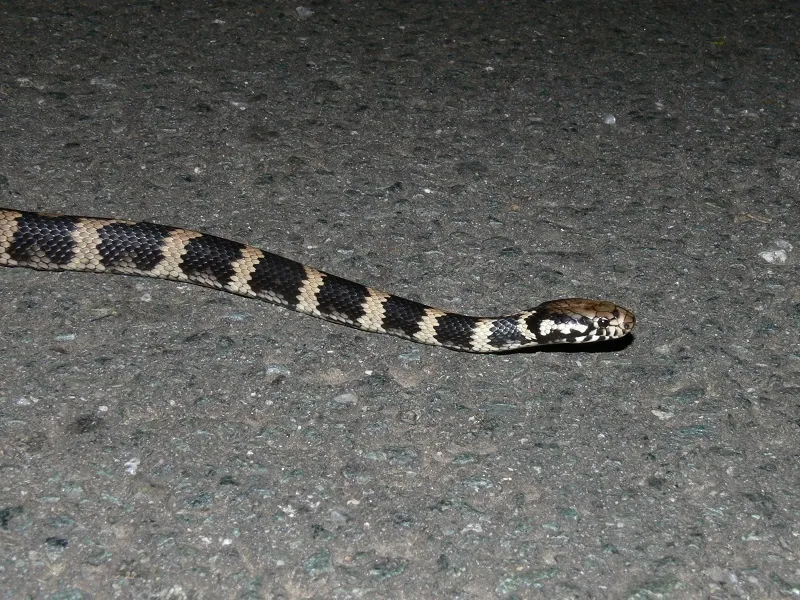
ກັດStephens' banded snake is a tree-dwelling snake that lives only on the east coast of Australia. It is highly venomous, and its venom affects the blood, so it is one of the snakes that people should give plenty of space. It spends most of its life high in the trees of forests.1



 ວິທີສັງເກດມັນ
- Alternating bands of grey or black and dirty-white along the back, with over 40 of each colour from the back of the head to the tip of the tail1
- A flat, mostly dirty-white belly, with occasional grey splotches towards the head and tail1
- A dark brown top of the head, with pale blotches or bars along the lips1
- A slender body with a broadened, arrow-shaped head1
- Mostly active at night, and often found in tree hollows high in the canopy1
ມັກສັບສົນກັບ: Its closest relatives are the broad-headed snake, which shares its coastal range, and the pale-headed snake, which lives further inland. All three are tree-dwelling snakes in the same genus.1
ພະລັງພິດ
ພິດອອກມາທາງເຂ້ຍ ຫຼື ແຂ້ວຂອງມັນ ເວລາມັນກັດ
ພິດທີ່ມັນປ່ອຍອອກມາເຮັດຫຍັງ?
Its venom is procoagulant, meaning it makes blood clot. It contains prothrombinase, which triggers the production of thrombin in the blood, causing tiny clots throughout the body. Symptoms include nausea, headache, abdominal pain, vomiting, diarrhoea and sweating. If left untreated, the clotting leads to excessive bleeding as blood vessels rupture.1
ມັນອັນຕະລາຍຕໍ່ຄົນປານໃດ?
ອັນຕະລາຍຕໍ່ຄົນ: ຮ້າຍແຮງຖ້າຖືກມັນກັດ ຕ້ອງໄປຫາໝໍ ການເສຍຊີວິດເກີດຂຶ້ນໜ້ອຍຫຼາຍIt is described as a ready biter, and its envenoming is potentially fatal. Only one death has been recorded: an elderly man in his 60s in Kalang, New South Wales, whose rescue was delayed by torrential rain and floods.1
 ຂ່າວດີ: ໝໍມີຢາ (ເຊຣຸ່ມຕ້ານພິດ) ຫຼື ວິທີປິ່ນປົວສຳລັບອັນນີ້1
ມັນເຮັດແນວໃດເວລາມັນຢ້ານ?
It is described as nervous and defensive towards other animals, and it is a ready biter when threatened.1
 ຖ້າມັນກັດ
- Victims have been successfully treated with up to four doses of 3,000 unit tiger snake antivenom. The wounded person must be transported to hospital for medical treatment.1
- ການພັນກົດທັບ ແລະ ດາມບໍ່ໃຫ້ເຄື່ອນໄຫວ: ພັນຜ້າພັນແຜແບບຢືດໃຫ້ແໜ້ນທັບບ່ອນຖືກກັດ ແລ້ວພັນຂຶ້ນໄປທົ່ວແຂນ ຫຼື ຂາທັງໝົດ, ດາມດ້ວຍໄມ້ດາມ ແລະ ໃຫ້ຜູ້ປ່ວຍຢູ່ນິ້ງໆທີ່ສຸດ ຈົນກວ່າຄວາມຊ່ວຍເຫຼືອຈະມາຮອດ
- ຢ່າລ້າງບ່ອນຖືກກັດ: ໂຮງໝໍສາມາດກວດພິດທີ່ເຫຼືອຢູ່ເທິງຜິວໜັງ ເພື່ອເລືອກເຊຣຸ່ມຕ້ານພິດທີ່ຖືກຕ້ອງ
ໂທຫາເບີສຸກເສີນກ່ອນສະເໝີ (112, 000, 911) ນີ້ແມ່ນຄຳແນະນຳການປະຖົມພະຍາບານທົ່ວໄປ, ບໍ່ແມ່ນຄຳແນະນຳທາງການແພດ ພື້ນຖານການປະຖົມພະຍາບານ
 ຢູ່ຢ່າງປອດໄພ
- ຢ່າຈັບ, ຢ່າຈັບເອົາ ຫຼື ຢ່າຫຍອກສັດປ່າເດັດຂາດ, ເຖິງແມ່ນມັນໂຕນ້ອຍ ແລະ ເຖິງແມ່ນມັນເບິ່ງຄືນອນຫຼັບ ຫຼື ຕາຍແລ້ວ
- ໃຫ້ພື້ນທີ່ມັນ ຖ້າເຈົ້າພົບມັນ, ໃຈເຢັນໄວ້, ຖອຍຫຼັງຊ້າໆ ແລະ ປ່ອຍໃຫ້ມັນໄປທາງຂອງມັນ
- ຖ້າມີໂຕໃດກັດເຈົ້າ: ໃຈເຢັນໄວ້, ຢູ່ນິ້ງໆ, ໂທຫາເບີສຸກເສີນ (112, 000, 911) ຫຼື ໄປໂຮງໝໍໃຫ້ໄວ ຈື່ໄວ້ວ່າມັນມີລັກສະນະແນວໃດ, ຮູບຖ່າຍຊ່ວຍໄດ້
ມັນບໍ່ໄດ້ຢາກທຳຮ້າຍເຈົ້າ ມັນໃຊ້ພິດເພື່ອຈັບອາຫານ ຫຼື ເພື່ອປ້ອງກັນຕົວ, ແລະ ມັນມັກລີ້ຫຼາຍກວ່າ ເພີ່ມເຕີມກ່ຽວກັບການຢູ່ຢ່າງປອດໄພ
ມັນໃຫຍ່ປານໃດ?
ມັນຍາວປານໃດ?
ມັນໜັກປານໃດ?
 ຍາວເທົ່າແມວບ້ານ 2,5 ໂຕຕໍ່ດັງຕໍ່ຫາງ
 ຍາວເທົ່າກ້ວຍ 7 ໜ່ວຍຕໍ່ກັນ
 ແລ່ນ 100 ແມັດໄດ້ໃນ 55 ວິນາທີ (ຄົນທີ່ໄວທີ່ສຸດໃຊ້ 9.6)
Stephens' banded snake ໃຫຍ່ປານໃດ ເມື່ອທຽບກັບເຈົ້າ?
ພຽງແຕ່ຄິດໄລ່ໃນບຣາວເຊີຂອງເຈົ້າ ບໍ່ມີຫຍັງຖືກບັນທຶກ ຫຼື ສົ່ງໄປບ່ອນໃດ
ມັນໄວປານໃດ?


ຂໍ້ມູນ
It is one of the few mainly tree-dwelling elapid snakes in Australia.1
A single individual may use up to 30 different trees within its range.1
It hibernates, or brumates, for up to five months through winter inside a tree hollow.1
Males may use home ranges averaging 20.2 hectares, while females average 5.4 hectares.1
It is the largest species in the genus Hoplocephalus, and females are usually larger than males.1
It is slow to mature, with males reaching sexual maturity at three years and females at four years.1
ສຳລັບຜູ້ຊ່ຽວຊານດ້ານພິດ
- ຊື່ວິທະຍາສາດ
- Hoplocephalus stephensii
- ກຸ່ມ
- ງູອົດສະຕຣາລີ
- ຄອບຄົວ
- Elapidae2
- ອັນດັບ
- Squamata
- ທະວີບຕ່າງໆ
- ອົດສະຕຣາລີ ແລະ ໂອເຊຍເນຍ
- ລູກສັດ
- It gives birth to live young, with between one and nine offspring per litter. Females are only pregnant every two years.1
- ສະຖານະຂອງມັນໃນທຳມະຊາດ
- Near Threatened (IUCN Red List)1
- ອັນຕະລາຍຕໍ່ຄົນ
- 3 / 5: ຮ້າຍແຮງ3
ຂໍ້ມູນມາຈາກໃສ
- Stephens's banded snake (Wikipedia (CC BY-SA 4.0))
- Hoplocephalus stephensii (iNaturalist): ຊື່ ແລະ ການຈັດໝວດໝູ່
- Venom Wiki: ລະດັບອັນຕະລາຍ, ຂະໜາດທົ່ວໄປ ແລະ ຄວາມໄວທີ່ຄາດຄະເນ ແມ່ນຂອງພວກເຮົາເອງ ເບິ່ງວ່າພວກເຮົາຄິດໄລ່ແນວໃດ: ພວກເຮົາໃຫ້ຄະແນນອັນຕະລາຍແນວໃດ.
ທຸກຂໍ້ມູນໃນໜ້ານີ້ມີຕົວເລກທີ່ຊີ້ໄປຫາແຫຼ່ງທີ່ມາ ຖ້າພວກເຮົາຜິດພາດ, ຂໍໂທດເດີ້, ພວກເຮົາເປັນຄົນມັກສັດ ບໍ່ແມ່ນວາລະສານວິທະຍາສາດ ບອກພວກເຮົາທີ່ [email protected] ແລ້ວພວກເຮົາຈະແກ້ໄຂ
 ແມງເງົາຫິວແລ້ວ! Venom Wiki ເປັນໂຄງການຂອງຄົນຄົນດຽວ: ຟຣີ, ບໍ່ມີໂຄສະນາ ແລະ ບໍ່ມີຕົວຕິດຕາມ ທິບນ້ອຍໆຊ່ວຍໃຫ້ມັນຢູ່ອອນລາຍຕໍ່ໄປໄດ້ໃຫ້ອາຫານແມງເງົາ
ເພີ່ມເຕີມຈາກກຸ່ມດຽວກັນ: ງູອົດສະຕຣາລີ
 Coastal taipan
 Common death adder
 Eastern brown snake
 Inland taipan
 Tiger snake
 Collett's snake
ຍັງອາໄສຢູ່ໃນ: ອົດສະຕຣາລີ ແລະ ໂອເຊຍເນຍ
 Sydney funnel-web spiderແມງມຸມທາຣັນທູລາ ແລະ ແມງມຸມໃຍຮູບກວຍເຖິງຕາຍ
 Redback spiderແມງມຸມຕ້ອງໄປຫາໝໍ
 Brown tree snakeງູເຂ້ຍພິດຫຼັງພຽງແຕ່ເຈັບ
 Hooded pitohuiສັດມີພິດໃນຕົວອື່ນໆພຽງແຕ່ເຈັບຫ້າມຈັບ
 Platypusສັດລ້ຽງລູກດ້ວຍນົມທີ່ມີພິດພຽງແຕ່ເຈັບ
 Northern tree-dwelling funnel-web spiderແມງມຸມທາຣັນທູລາ ແລະ ແມງມຸມໃຍຮູບກວຍເຖິງຕາຍ