
 Āfrika
 Āzija
Āzija Eiropa
 Dienvidamerika
 Austrālija un Okeānija
 Antarktīda
 Klusais okeāns
 Atlantijas okeāns
 Indijas okeāns
 Ziemeļu Ledus okeāns
 Vidusjūra
 Sarkanā jūra
 Karību jūra
 Koraļļu jūra
 Dienvidķīnas jūra
 Filipīnu jūra
 Andamanu jūra
 Ziemeļjūra
 Timoras jūra un Arafuras jūra
 Bengālijas līcis
 Kalifornijas līcis
Buck moth
 Dzeļoši matiņi
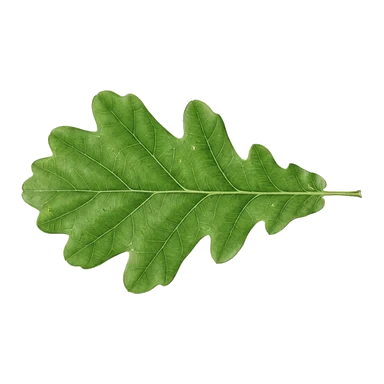
The buck moth is a common North American moth. Its caterpillars are covered in spines that can break off and sting people, so it is good to know what they look like. The caterpillars live on oak trees in eastern parts of the United States, and can also be found in cities.1
 Kā to atpazīt
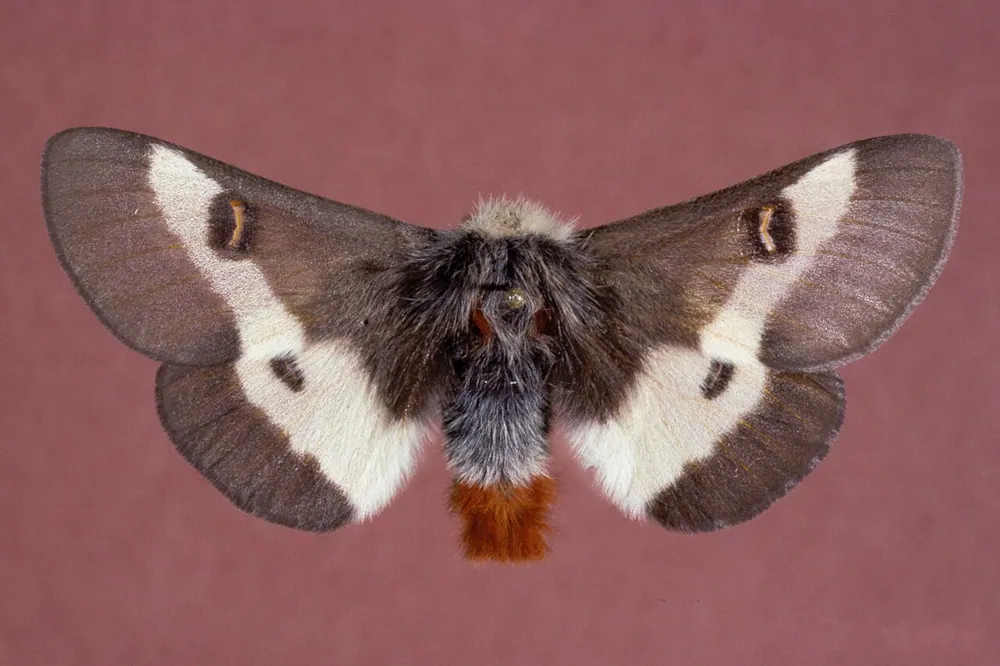
- Adult moths are dark grey to almost black, with a white band across each wing that has a distinctive eyespot on it.1
- Adult females have an all-black body. Males are black except for a rusty red abdomen (the rear part of the body).1
- Adults have black legs with small red cuffs near the top, where the leg joins the body.1
- Young caterpillars are completely black. Older caterpillars become lighter, and some look almost white.1
- Caterpillars are covered in spines. The spines on the top of the body are longer, more numerous and arranged in rows. Fully grown caterpillars reach about 2.5 inches (6.35 cm).1
Indes spēks
Sīki matiņi vai sariņi nolūzt ādā un dzeļ.
Ko nodara tā inde?
The spines of the caterpillar are hollow and attached to a poison sac, and small toxic glands along the sides of the body hold the venom. When the spines break off and get into the skin, they can cause stinging, itching and burning, with large red welts. In some people the reaction can lead to anaphylactic shock, a severe allergic reaction that needs urgent medical care. Nausea is also listed as a possible symptom.1
Cik bīstams tas ir cilvēkiem?
Bīstamība cilvēkiem: SāpīgsTas var ļoti sāpēt, bet gandrīz nekad nav nopietni.An increasing number of people each season are stung by these caterpillars, and many of them see a doctor for dermatitis (swelling and inflammation of the skin). Stings are most common where caterpillars have moved into urban areas. Some people are at risk of a severe allergic reaction.1
Ko tas dara, kad ir nobijies?
The caterpillars use their spines as a defence against predators and when they feel in danger. The spines can easily break off when the caterpillar is handled roughly or brushed against.1
 Ja pieskaries tā matiņiem
- Dzeļošu kāpuru matiņiem: noņem tos ar līmlenti, tad nomazgā ādu. Neberzē.
- Kodumiem: nomazgā un atvēsini. Meklē medicīnisko palīdzību, ja cilvēks jūtas slikti vai viegli asiņo.
Vienmēr vispirms zvani uz savu ārkārtas numuru (112, 000, 911). Tie ir vispārīgi pirmās palīdzības padomi, nevis medicīniska konsultācija. Pirmās palīdzības pamati
 Esi drošībā
- Nekad neaiztiec, neķer un neķircini savvaļas dzīvnieku, pat mazu, un pat ja tas izskatās aizmidzis vai miris.
- Dod tam vietu. Ja tādu satiec, saglabā mieru, lēnām atkāpies un ļauj tam iet savu ceļu.
- Ja pieskāries tā matiņiem: saglabā mieru, nekusties, zvani uz savu ārkārtas numuru (112, 000, 911) vai ātri dodies uz slimnīcu. Atceries, kā tas izskatījās, foto palīdz.
Tas nav nolēmis tevi medīt. Tas izmanto indi, lai noķertu barību vai aizsargātos, un daudz labprātāk paslēptos. Vairāk par drošību
Cik tas ir liels?
Cik tas ir garš?
 tikpat garš kā 2 rotaļu klucīši rindā
 lēnāks par dārza gliemezi
Cik liels ir Buck moth salīdzinājumā ar TEVI?
Tikai matemātika tavā pārlūkā. Nekas netiek saglabāts vai kaut kur nosūtīts.
Cik tas ir ātrs?

Fakti
Adult buck moths have no mouthparts, so they cannot eat. They live only long enough to find a mate and lay eggs.1
Newly hatched caterpillars march in a straight line, following one leader. If the leader is removed, the group becomes confused and restless until it either returns or the group chooses a new leader.1
Before they pupate, some buck moths can stay in the pupa stage for up to two years before emerging as adults.1
Females release a chemical scent, called a pheromone, to attract males. Males that fly erratically are responding to this scent.1
Indes ekspertiem
- Zinātniskais nosaukums
- Hemileuca maia
- Grupa
- Kāpuri un kukaiņi
- Ģimene
- Saturniidae2
- Secība
- Lepidoptera
- Kontinenti
- Ziemeļamerika
- Mazuļi
- Females lay about 150 eggs per generation in a tight ring around an oak twig, and the eggs stay there through the winter until spring.1
- Kā tam klājas savvaļā
- Endangered in Connecticut for the narrower subspecies Hemileuca maia maia1
- Bīstamība cilvēkiem
- 2 / 5: Sāpīgs3
No kurienes nāk fakti
- Buck moth (Wikipedia (CC BY-SA 4.0))
- Hemileuca maia (iNaturalist): nosaukumi un klasifikācija.
- Venom Wiki: bīstamības līmenis, tipiskais izmērs un ātruma minējums ir mūsu pašu. Paskaties, kā mēs tos aprēķinām: Kā mēs vērtējam bīstamību.
Katram faktam šajā lapā ir numurs, kas norāda uz tā avotu. Ja mēs kaut ko esam sajaukuši, piedod, mēs esam dzīvnieku fani, nevis zinātnisks žurnāls. Uzraksti mums uz [email protected], un mēs to izlabosim.
 Skorpions ir izsalcis! Venom Wiki ir viena cilvēka projekts: bezmaksas, bez reklāmām un bez izsekotājiem. Neliels ziedojums palīdz to uzturēt tiešsaistē.Pabaro skorpionu
 Giant water bug
 Puss caterpillar
 Saddleback caterpillar
 Wheel bug
 Giant vinegaroon
 Rhodnius kissing bug
 Terciopelo
 Eastern coral snake
 Eastern diamondback rattlesnake
 Eyelash viper
 Timber rattlesnake
 Western diamondback rattlesnake