
 Āfrika
 Āzija
Āzija Eiropa
 Dienvidamerika
 Austrālija un Okeānija
 Antarktīda
 Klusais okeāns
 Atlantijas okeāns
 Indijas okeāns
 Ziemeļu Ledus okeāns
 Vidusjūra
 Sarkanā jūra
 Karību jūra
 Koraļļu jūra
 Dienvidķīnas jūra
 Filipīnu jūra
 Andamanu jūra
 Ziemeļjūra
 Timoras jūra un Arafuras jūra
 Bengālijas līcis
 Kalifornijas līcis
Caspian cobra
 Kodumi
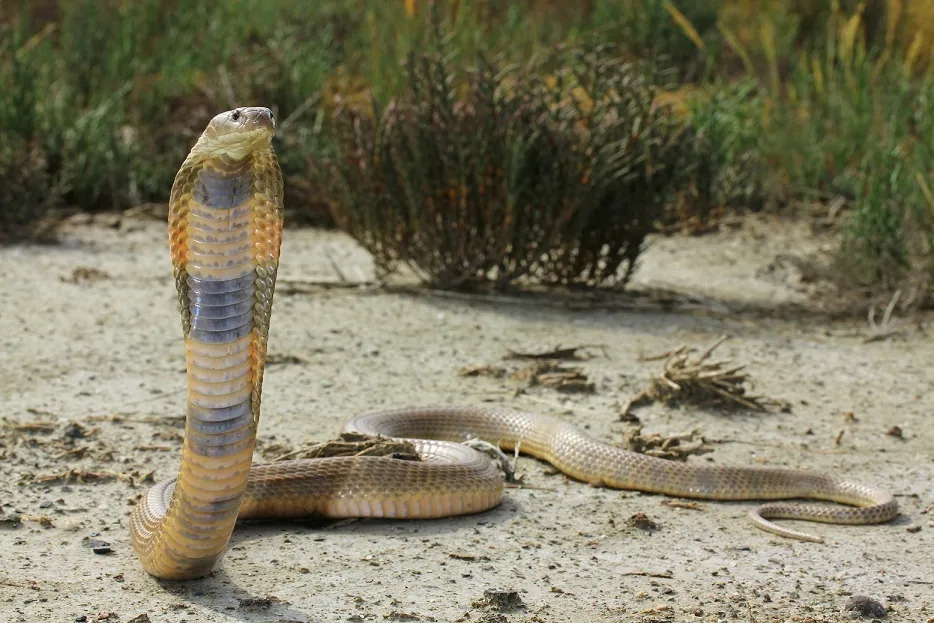
The Caspian cobra is a highly venomous snake that lives in Central Asia, Afghanistan, Iran and Pakistan. Many scientists consider it the most venomous cobra in the world. It is also a strong swimmer and a good climber.1



 Kā to atpazīt
- Adults are light to chocolate brown or yellowish, with no hood marks and no spots on the throat.1
- Juveniles are pale and faded, with dark and light cross-bands of about equal width around the body.1
- The hood is long and tapers gradually, unlike the rounder hood of some other cobras.1
- It has several dark bands under the throat.1
- It is never fully black, although some individuals can be quite dark.1
Bieži jauc ar: The Caspian cobra is often confused with the Indian cobra, and the two live side by side in Pakistan and northern India. Indian cobras without a hood mark look similar. In the black form of the Indian cobra from Pakistan, almost the whole throat is black, while the Caspian cobra has several dark throat bands and is never fully black.1
Indes spēks
Inde iznāk caur ilkņiem vai zobiem, kad tas iekož.
Ko nodara tā inde?
Its venom is mainly neurotoxic, meaning it attacks the nerves, and most of the venom is made of short neurotoxins. It also contains cytotoxins, which can kill cells, and enzymes called nucleases, which damage tissue at the bite. Severe pain and swelling appear quickly, and weakness, drowsiness and paralysis of the throat and limbs can appear within an hour. The venom can also affect the heart during the first few hours, and at least one heart attack after a bite has been recorded.1
Cik bīstams tas ir cilvēkiem?
Bīstamība cilvēkiem: NāvējošsViens no bīstamākajiem dzīvniekiem pasaulē.It is regarded as the most dangerous snake in Central Asia and has a high death rate. Between 1979 and 1987, 136 confirmed bites were attributed to it in the former Soviet Union. Of these, 8 people died after receiving antivenom, and 11 of the 15 who did not receive antivenom died. In Iran, it causes more deaths from snakebite than any other snake in the country. Without treatment, death can come in as little as 45 minutes or be delayed for up to 24 hours.1
 Labas ziņas: ārstiem pret šo ir zāles (pretinde) vai ārstēšana.1
Ko tas dara, kad ir nobijies?
It tends to avoid people, but when cornered or provoked it spreads its hood, hisses, sways from side to side and strikes repeatedly.1
 Ja tas iekož
- Medical treatment with antivenom is essential, because untreated bites are often fatal. Symptoms can worsen rapidly without treatment, so urgent medical care is needed.1
- Turi cilvēku nekustīgu un mierīgu, novelc gredzenus un visu, kas cieši spiež, un ātri nogādā slimnīcā: ārstē ar pretindi.
Vienmēr vispirms zvani uz savu ārkārtas numuru (112, 000, 911). Tie ir vispārīgi pirmās palīdzības padomi, nevis medicīniska konsultācija. Pirmās palīdzības pamati
 Esi drošībā
- Nekad neaiztiec, neķer un neķircini savvaļas dzīvnieku, pat mazu, un pat ja tas izskatās aizmidzis vai miris.
- Dod tam vietu. Ja tādu satiec, saglabā mieru, lēnām atkāpies un ļauj tam iet savu ceļu.
- Ja tāds tev iekož: saglabā mieru, nekusties, zvani uz savu ārkārtas numuru (112, 000, 911) vai ātri dodies uz slimnīcu. Atceries, kā tas izskatījās, foto palīdz.
Tas nav nolēmis tevi medīt. Tas izmanto indi, lai noķertu barību vai aizsargātos, un daudz labprātāk paslēptos. Vairāk par drošību
Cik tas ir liels?
Cik tas ir garš?
 tikpat garš kā 3 mājas kaķi no deguna līdz astei
 tikpat garš kā 9 banāni rindā viens aiz otra
 varētu noskriet 100 metrus 48 sekundēs (ātrākajam cilvēkam vajag 9,6)
Cik liels ir Caspian cobra salīdzinājumā ar TEVI?
Tikai matemātika tavā pārlūkā. Nekas netiek saglabāts vai kaut kur nosūtīts.
Cik tas ir ātrs?


Fakti
Many toxinological studies suggest that the Caspian cobra is the most venomous cobra in the world.1
A ribonuclease called ribonuclease V1, purified from its venom, is used as a laboratory reagent in molecular biology because it can break down structured RNA.1
It cannot spit venom, but it is a good climber and an able swimmer.1
It is the westernmost species of Asiatic cobra, and it can be found at heights of up to about 3,000 m.1
For most of the twentieth century it was treated as a subspecies of the Indian cobra, until genetic analysis showed it was a separate species.1
Mītu grāvējs
Mīts: Caspian cobras are always black, like some Indian cobras.
Patiesība: The Caspian cobra is never fully black. Adults are light to chocolate brown or yellowish, and it has several dark bands under the throat.1
No kurienes nāk fakti
- Caspian cobra (Wikipedia (CC BY-SA 4.0))
- Naja oxiana (iNaturalist): nosaukumi un klasifikācija.
- Venom Wiki: bīstamības līmenis, tipiskais izmērs un ātruma minējums ir mūsu pašu. Paskaties, kā mēs tos aprēķinām: Kā mēs vērtējam bīstamību.
Katram faktam šajā lapā ir numurs, kas norāda uz tā avotu. Ja mēs kaut ko esam sajaukuši, piedod, mēs esam dzīvnieku fani, nevis zinātnisks žurnāls. Uzraksti mums uz [email protected], un mēs to izlabosim.
 Skorpions ir izsalcis! Venom Wiki ir viena cilvēka projekts: bezmaksas, bez reklāmām un bez izsekotājiem. Neliels ziedojums palīdz to uzturēt tiešsaistē.Pabaro skorpionu
 Indijas kobra
 Karaliskā kobra
 Common krait
 Malayan krait
 Many-banded krait
 Monocled cobra
 Palestīnas dzeltenais skorpions
 Indijas zāģzvīņu odze
 Pūšodze
 Rasela odze
 Asian giant hornet
 Komodo dragon