
 Āfrika
 Āzija
Āzija Eiropa
 Dienvidamerika
 Austrālija un Okeānija
 Antarktīda
 Klusais okeāns
 Atlantijas okeāns
 Indijas okeāns
 Ziemeļu Ledus okeāns
 Vidusjūra
 Sarkanā jūra
 Karību jūra
 Koraļļu jūra
 Dienvidķīnas jūra
 Filipīnu jūra
 Andamanu jūra
 Ziemeļjūra
 Timoras jūra un Arafuras jūra
 Bengālijas līcis
 Kalifornijas līcis
Eastern hognose snake
 Kodumi
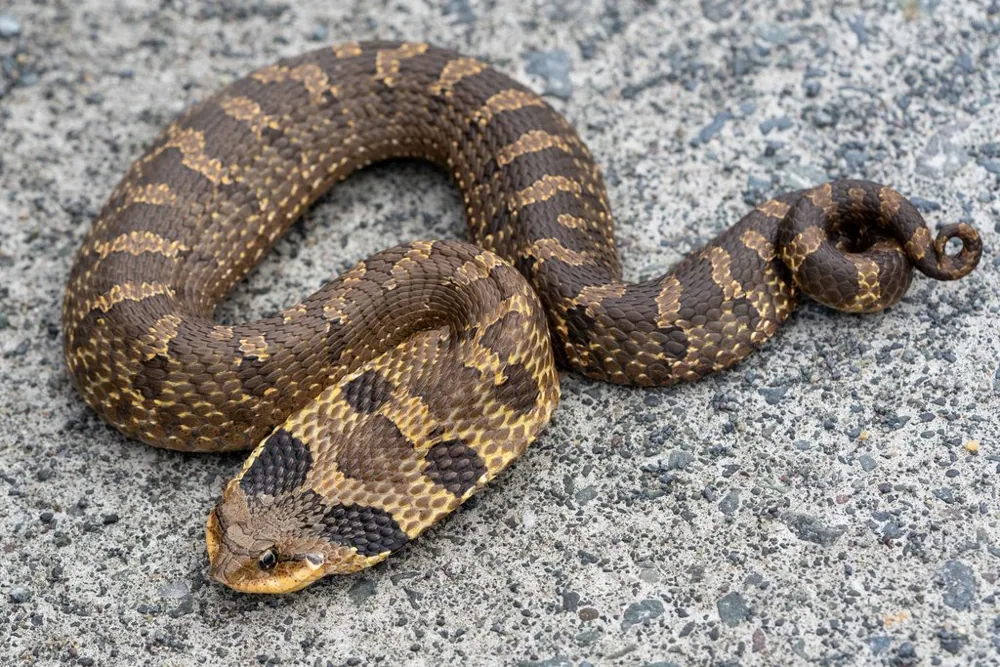
The eastern hognose snake is a stout, rear-fanged snake that lives across eastern and central North America. It has an upturned snout, which it uses for digging in sandy soil. It is mildly venomous, but its venom is aimed at toads and frogs and is not deadly to people.1

 Kā to atpazīt
- Stout body with an upturned snout1
- Colour varies widely by area, from red, green or orange to brown, grey or black, sometimes blotched, checkered or plain1
- Belly is usually a solid grey, yellow or cream colour1
- The underside of the tail is lighter than the belly1
- Adults average 71 cm in total length, and females are larger than males1
Indes spēks
Inde iznāk caur ilkņiem vai zobiem, kad tas iekož.
Ko nodara tā inde?
Its venom is mild and is adapted to amphibian prey. It is delivered through enlarged rear teeth from the Duvernoy's gland. In people who are allergic to the snake's saliva, a bite can cause local swelling, burning, discolouration and bleeding from the wound.1
Cik bīstams tas ir cilvēkiem?
Bīstamība cilvēkiem: VieglsKā bites dzēliens vai mazāk. Cilvēkiem praktiski nekaitīgs.The venom is harmless to most people, and no human deaths have been documented. People who are allergic to its saliva may have local symptoms such as swelling and bleeding.1
Ko tas dara, kad ir nobijies?
It flattens its neck, raises its head like a cobra, hisses and strikes with a closed mouth to bluff. If that fails, it rolls onto its back, plays dead, releases a foul musk and lets its tongue hang out.1
 Ja tas iekož
- Nomazgā kodumu, turi cilvēku mierīgu un meklē medicīnisko palīdzību. Dažas sugas (piemēram, bumslangs) var būt nāvējošas pēc vairākām stundām.
Vienmēr vispirms zvani uz savu ārkārtas numuru (112, 000, 911). Tie ir vispārīgi pirmās palīdzības padomi, nevis medicīniska konsultācija. Pirmās palīdzības pamati
 Esi drošībā
- Nekad neaiztiec, neķer un neķircini savvaļas dzīvnieku, pat mazu, un pat ja tas izskatās aizmidzis vai miris.
- Dod tam vietu. Ja tādu satiec, saglabā mieru, lēnām atkāpies un ļauj tam iet savu ceļu.
- Ja tāds tev iekož: saglabā mieru, nekusties, zvani uz savu ārkārtas numuru (112, 000, 911) vai ātri dodies uz slimnīcu. Atceries, kā tas izskatījās, foto palīdz.
Tas nav nolēmis tevi medīt. Tas izmanto indi, lai noķertu barību vai aizsargātos, un daudz labprātāk paslēptos. Vairāk par drošību
Cik tas ir liels?
Cik tas ir garš?
 tikpat garš kā 2,5 mājas kaķi no deguna līdz astei
 tikpat garš kā 6 banāni rindā viens aiz otra
 varētu noskriet 100 metrus 73 sekundēs (ātrākajam cilvēkam vajag 9,6)
Cik liels ir Eastern hognose snake salīdzinājumā ar TEVI?
Tikai matemātika tavā pārlūkā. Nekas netiek saglabāts vai kaut kur nosūtīts.
Cik tas ir ātrs?


Fakti
One individual was seen playing dead for 45 minutes before moving away.1
It is resistant to the skin poisons of toads, probably because of its enlarged adrenal glands, which release large amounts of hormones to counter the toxins.1
When threatened, it often bluffs by striking with its mouth closed, and it does not try to bite.1
It is a rear-fanged snake, and its enlarged teeth are at the back of the upper jaw.1
Females can store sperm until spring, so they can be fertilised later.1
Mītu grāvējs
Mīts: The eastern hognose snake is a dangerous, deadly snake.
Patiesība: It is only mildly venomous, and its venom is aimed at amphibians. No human deaths have been documented, although some people who are allergic to its saliva may have local symptoms.1
Indes ekspertiem
- Zinātniskais nosaukums
- Heterodon platirhinos
- Grupa
- Mugurzobu čūskas
- Ģimene
- Colubridae2
- Secība
- Squamata
- Kontinenti
- Ziemeļamerika
- Mazuļi
- Females lay up to 40 eggs, with an average of about 25, usually in June or early July. The hatchlings are about 16.5 to 21 cm long.1
- Kā tam klājas savvaļā
- Least concern (IUCN Red List, assessed 2007). It is a species of increasing conservation concern in the northeastern part of its range.1
- Bīstamība cilvēkiem
- 1 / 5: Viegls3
No kurienes nāk fakti
- Eastern hognose snake (Wikipedia (CC BY-SA 4.0))
- Heterodon platirhinos (iNaturalist): nosaukumi un klasifikācija.
- Venom Wiki: bīstamības līmenis, tipiskais izmērs un ātruma minējums ir mūsu pašu. Paskaties, kā mēs tos aprēķinām: Kā mēs vērtējam bīstamību.
Katram faktam šajā lapā ir numurs, kas norāda uz tā avotu. Ja mēs kaut ko esam sajaukuši, piedod, mēs esam dzīvnieku fani, nevis zinātnisks žurnāls. Uzraksti mums uz [email protected], un mēs to izlabosim.
 Skorpions ir izsalcis! Venom Wiki ir viena cilvēka projekts: bezmaksas, bez reklāmām un bez izsekotājiem. Neliels ziedojums palīdz to uzturēt tiešsaistē.Pabaro skorpionu
 Western hognose snake
 Brown vine snake
 Green vine snake
 Desert night snake
 Night snake
 Sonoran lyre snake
 Terciopelo
 Eastern coral snake
 Eastern diamondback rattlesnake
 Eyelash viper
 Timber rattlesnake
 Western diamondback rattlesnake