
 Āfrika
 Āzija
Āzija Eiropa
 Dienvidamerika
 Austrālija un Okeānija
 Antarktīda
 Klusais okeāns
 Atlantijas okeāns
 Indijas okeāns
 Ziemeļu Ledus okeāns
 Vidusjūra
 Sarkanā jūra
 Karību jūra
 Koraļļu jūra
 Dienvidķīnas jūra
 Filipīnu jūra
 Andamanu jūra
 Ziemeļjūra
 Timoras jūra un Arafuras jūra
 Bengālijas līcis
 Kalifornijas līcis
Mojave rattlesnake
 Kodumi
The Mojave rattlesnake is a venomous pit viper that lives in the deserts of the southwestern United States and northern Mexico. Its venom is among the most studied of any rattlesnake, and it varies a lot from one population to another. Knowing how to recognise it helps people in its range stay safe.1


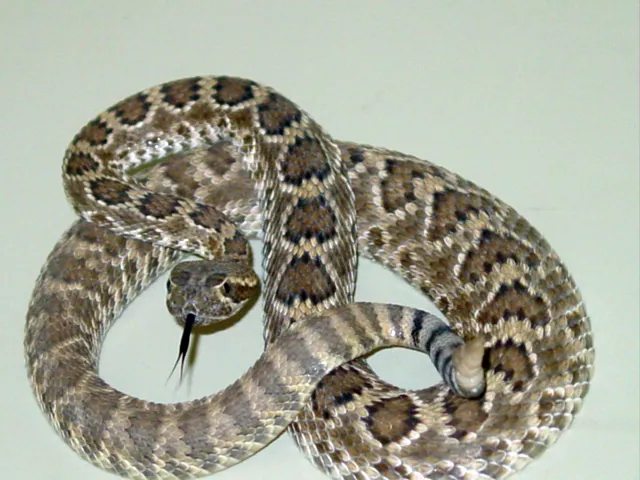
 Kā to atpazīt
- Has a row of large diamond-shaped blotches along the back, without the dark speckling found on the Western Diamond-backed Rattlesnake.1
- The diamonds usually lack the white edges seen on most Western Diamond-backed Rattlesnakes.1
- The tail has pale and dark rings, and the dark rings are often narrower than the pale ones.1
- The rattle is usually yellow and black, or entirely yellow.1
- Its back colour ranges from green to brown, grey or yellowish, so colour alone is not a reliable guide.1
Bieži jauc ar: It closely resembles the Western Diamond-backed Rattlesnake, which lives in the same areas. The Mojave rattlesnake has no dark speckling on its back, usually lacks white edges on the diamonds, has a facial stripe that bends toward the neck rather than meeting the mouth, and usually has a yellow or bicoloured rattle rather than a black one. No single trait reliably separates the two.1
Indes spēks
Inde iznāk caur ilkņiem vai zobiem, kad tas iekož.
Ko nodara tā inde?
Its venom comes in two main types. Venom A contains Mojave toxin, a neurotoxic venom that attacks the nerves and can cause delayed respiratory paralysis, meaning the muscles used for breathing fail, with little or no local tissue damage. Venom B has no Mojave toxin and instead contains tissue-destroying enzymes called metalloproteinases.1
Cik bīstams tas ir cilvēkiem?
Bīstamība cilvēkiem: Ļoti bīstamsTas var nogalināt cilvēku, kurš nesaņem ārstēšanu.For decades this snake has been described as one of the deadliest rattlesnakes, and some sources call it the most dangerous snake in the United States. The danger depends on the population, because the neurotoxic venom is not found everywhere in its range. Some animals in between produce a mix of both venom types.1
Ko tas dara, kad ir nobijies?
It is shy and tends to avoid confrontation, but it will strike and bite vigorously when disturbed, especially if surprised or if there is no nearby vegetation or burrow to escape into.1
 Ja tas iekož
- Turi cilvēku nekustīgu un mierīgu, turi iekosto ekstremitāti sirds augstumā, novelc gredzenus un visu, kas cieši spiež, un ātri nogādā slimnīcā.
Vienmēr vispirms zvani uz savu ārkārtas numuru (112, 000, 911). Tie ir vispārīgi pirmās palīdzības padomi, nevis medicīniska konsultācija. Pirmās palīdzības pamati
 Esi drošībā
- Nekad neaiztiec, neķer un neķircini savvaļas dzīvnieku, pat mazu, un pat ja tas izskatās aizmidzis vai miris.
- Dod tam vietu. Ja tādu satiec, saglabā mieru, lēnām atkāpies un ļauj tam iet savu ceļu.
- Ja tāds tev iekož: saglabā mieru, nekusties, zvani uz savu ārkārtas numuru (112, 000, 911) vai ātri dodies uz slimnīcu. Atceries, kā tas izskatījās, foto palīdz.
Tas nav nolēmis tevi medīt. Tas izmanto indi, lai noķertu barību vai aizsargātos, un daudz labprātāk paslēptos. Vairāk par drošību
Cik tas ir liels?
Cik tas ir garš?
 tikpat garš kā 2,5 mājas kaķi no deguna līdz astei
 tikpat garš kā 7 banāni rindā viens aiz otra
 varētu noskriet 100 metrus 97 sekundēs (ātrākajam cilvēkam vajag 9,6)
Cik liels ir Mojave rattlesnake salīdzinājumā ar TEVI?
Tikai matemātika tavā pārlūkā. Nekas netiek saglabāts vai kaut kur nosūtīts.
Cik tas ir ātrs?


Fakti
Mītu grāvējs
Mīts: Every Mojave rattlesnake bite is extraordinarily deadly.
Patiesība: The reputation for deadliness comes mainly from the neurotoxic venom, which is found in most populations but not all. Venom from some populations is non-neurotoxic and mainly destroys tissue.1
Indes ekspertiem
- Zinātniskais nosaukums
- Crotalus scutulatus
- Grupa
- Klaburčūskas
- Ģimene
- Viperidae2
- Secība
- Squamata
- Kontinenti
- Ziemeļamerika
- Mazuļi
- It bears live young, usually between 2 and 17 (average about eight), from July through September.1
- Kā tam klājas savvaļā
- Least Concern (IUCN Red List)1
- Bīstamība cilvēkiem
- 4 / 5: Ļoti bīstams3
No kurienes nāk fakti
- Crotalus scutulatus (Wikipedia (CC BY-SA 4.0))
- Crotalus scutulatus (iNaturalist): nosaukumi un klasifikācija.
- Venom Wiki: bīstamības līmenis, tipiskais izmērs un ātruma minējums ir mūsu pašu. Paskaties, kā mēs tos aprēķinām: Kā mēs vērtējam bīstamību.
Katram faktam šajā lapā ir numurs, kas norāda uz tā avotu. Ja mēs kaut ko esam sajaukuši, piedod, mēs esam dzīvnieku fani, nevis zinātnisks žurnāls. Uzraksti mums uz [email protected], un mēs to izlabosim.
 Skorpions ir izsalcis! Venom Wiki ir viena cilvēka projekts: bezmaksas, bez reklāmām un bez izsekotājiem. Neliels ziedojums palīdz to uzturēt tiešsaistē.Pabaro skorpionu
 Eastern diamondback rattlesnake
 Timber rattlesnake
 Western diamondback rattlesnake
 Sidewinder
 Aruba rattlesnake
 Black-tailed rattlesnake
 Terciopelo
 Eastern coral snake
 Eyelash viper
 Arizona bark scorpion
 Brown recluse
 Cane toad