
 Āfrika
 Āzija
Āzija Eiropa
 Dienvidamerika
 Austrālija un Okeānija
 Antarktīda
 Klusais okeāns
 Atlantijas okeāns
 Indijas okeāns
 Ziemeļu Ledus okeāns
 Vidusjūra
 Sarkanā jūra
 Karību jūra
 Koraļļu jūra
 Dienvidķīnas jūra
 Filipīnu jūra
 Andamanu jūra
 Ziemeļjūra
 Timoras jūra un Arafuras jūra
 Bengālijas līcis
 Kalifornijas līcis
Pine processionary
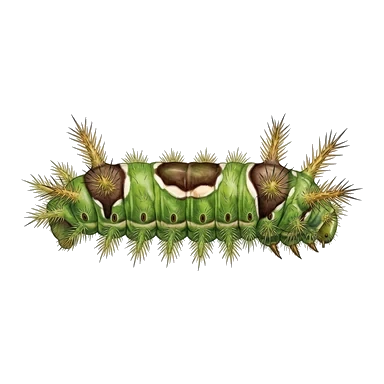 Dzeļoši matiņi
The pine processionary is a moth whose caterpillars are famous for marching in long, nose-to-tail lines through pine woods. Their hairs cause painful rashes and eye irritation, and they can strip the needles from whole trees. It lives around the Mediterranean and is spreading north.1
 Kā to atpazīt
- Caterpillars are orange-brown and hairy, with blue bands.1
- Large silken nests in pine trees, often with several in one tree and signs of stripped needles.1
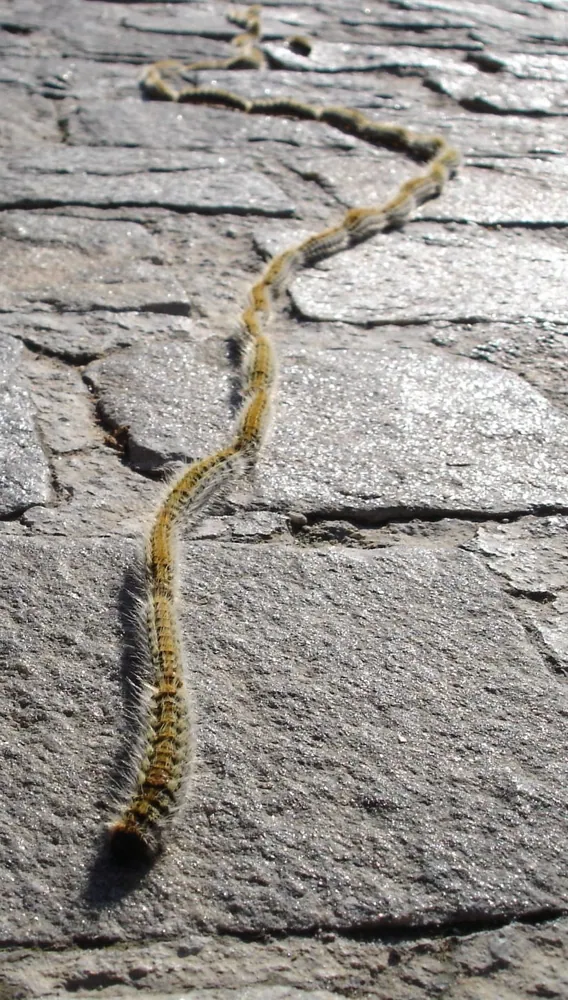
- Caterpillars move in single-file processions, usually at night and when leaving the tree to pupate.1
- Adults have predominantly light brown forewings with brown markings and white hindwings.1
- Adult males have a crescent marking on the wings and are larger than the oak processionary.1
Bieži jauc ar: The oak processionary (Thaumetopoea processionea) is smaller as an adult, has an indistinct wing marking rather than a crescent, and lives in broad-leaved rather than coniferous forests. The pale eggar moth has no crescent marking on its wings.1
Indes spēks
Sīki matiņi vai sariņi nolūzt ādā un dzeļ.
Ko nodara tā inde?
The species is not venomous. Its caterpillars have hairs containing an irritant chemical called thaumetopoein, which causes skin rashes (urticaria) and eye irritation on contact. Some people may have an allergic reaction. The hairs of fifth-stage larvae can also break off and spread across nearby exposed skin.1
Cik bīstams tas ir cilvēkiem?
Bīstamība cilvēkiem: SāpīgsTas var ļoti sāpēt, bet gandrīz nekad nav nopietni.Simple contact with the caterpillar hairs can cause severe rashes and eye irritation in humans and other mammals. Some individuals may have an allergic reaction.1
Ko tas dara, kad ir nobijies?
When stressed or threatened, fifth-stage caterpillars eject harpoon-shaped hairs that irritate any exposed skin nearby.1
 Ja pieskaries tā matiņiem
- Dzeļošu kāpuru matiņiem: noņem tos ar līmlenti, tad nomazgā ādu. Neberzē.
- Kodumiem: nomazgā un atvēsini. Meklē medicīnisko palīdzību, ja cilvēks jūtas slikti vai viegli asiņo.
Vienmēr vispirms zvani uz savu ārkārtas numuru (112, 000, 911). Tie ir vispārīgi pirmās palīdzības padomi, nevis medicīniska konsultācija. Pirmās palīdzības pamati
 Esi drošībā
- Nekad neaiztiec, neķer un neķircini savvaļas dzīvnieku, pat mazu, un pat ja tas izskatās aizmidzis vai miris.
- Dod tam vietu. Ja tādu satiec, saglabā mieru, lēnām atkāpies un ļauj tam iet savu ceļu.
- Ja pieskāries tā matiņiem: saglabā mieru, nekusties, zvani uz savu ārkārtas numuru (112, 000, 911) vai ātri dodies uz slimnīcu. Atceries, kā tas izskatījās, foto palīdz.
Tas nav nolēmis tevi medīt. Tas izmanto indi, lai noķertu barību vai aizsargātos, un daudz labprātāk paslēptos. Vairāk par drošību
Cik tas ir liels?
Cik tas ir garš?
 apmēram tikpat garš kā saspraude
 lēnāks par dārza gliemezi
Cik liels ir Pine processionary salīdzinājumā ar TEVI?
Tikai matemātika tavā pārlūkā. Nekas netiek saglabāts vai kaut kur nosūtīts.
Cik tas ir ātrs?


Fakti
Caterpillars in a procession hold together through touch from the caterpillar in front, which takes priority over the trail pheromone or silk.1
The caterpillars are one of the few temperate-zone insects whose larvae develop through the winter, living in silk nests high in pine trees.1
Adults live for only a single day, during which they mate and lay eggs.1
The Greek physician Dioscorides described the itching caused by this caterpillar in the 1st century AD, and Pliny the Elder recorded a treatment for it.1
Outbreaks are somewhat cyclical, with a period of 7 to 9 years.1
Mītu grāvējs
Mīts: Fabre's caterpillars marched in a circle around a flower pot only because they were trapped on its rim.
Patiesība: Young caterpillars' circular trails continue for as long as 12 hours even when they are free on a flat surface.1
Indes ekspertiem
- Zinātniskais nosaukums
- Thaumetopoea pityocampa
- Grupa
- Kāpuri un kukaiņi
- Ģimene
- Notodontidae2
- Secība
- Lepidoptera
- Kontinenti
- Eiropa, Āfrika, Āzija
- Mazuļi
- Each female lays an enormous number of eggs near the tops of pine trees, in cylindrical egg masses 4 to 5 cm long covered with scales that mimic pine shoots.1
- Bīstamība cilvēkiem
- 2 / 5: Sāpīgs3
No kurienes nāk fakti
- Pine processionary (Wikipedia (CC BY-SA 4.0))
- Thaumetopoea pityocampa (iNaturalist): nosaukumi un klasifikācija.
- Venom Wiki: bīstamības līmenis, tipiskais izmērs un ātruma minējums ir mūsu pašu. Paskaties, kā mēs tos aprēķinām: Kā mēs vērtējam bīstamību.
Katram faktam šajā lapā ir numurs, kas norāda uz tā avotu. Ja mēs kaut ko esam sajaukuši, piedod, mēs esam dzīvnieku fani, nevis zinātnisks žurnāls. Uzraksti mums uz [email protected], un mēs to izlabosim.
 Skorpions ir izsalcis! Venom Wiki ir viena cilvēka projekts: bezmaksas, bez reklāmām un bez izsekotājiem. Neliels ziedojums palīdz to uzturēt tiešsaistē.Pabaro skorpionu
Vairāk no tās pašas grupas: Kāpuri un kukaiņi
 Oak processionaryKāpuri un kukaiņiTikai sāpNeaiztikt
 White-spotted assassin bugKāpuri un kukaiņiTikai sāp
 Common bombardier beetleKāpuri un kukaiņiNekaitīgs
 Asian giant water bugKāpuri un kukaiņiTikai sāp
 Blue-striped nettle grubKāpuri un kukaiņiTikai sāpNeaiztikt
 Brown-tail mothKāpuri un kukaiņiTikai sāpNeaiztikt
Dzīvo arī: Eiropa
 Common European adderOdzes un vīperasVajag ārstu
 Spanish flyCiti toksiski dzīvniekiVajag ārstuNeaiztikt
 Common waspBites, lapsenes un sirseņiTikai sāp
 European hornetBites, lapsenes un sirseņiTikai sāp
 Fire salamanderIndesvardes, krupji un tritoniTikai sāpNeaiztikt
 Western honey beeBites, lapsenes un sirseņiTikai sāp