
 Āfrika
 Āzija
Āzija Eiropa
 Dienvidamerika
 Austrālija un Okeānija
 Antarktīda
 Klusais okeāns
 Atlantijas okeāns
 Indijas okeāns
 Ziemeļu Ledus okeāns
 Vidusjūra
 Sarkanā jūra
 Karību jūra
 Koraļļu jūra
 Dienvidķīnas jūra
 Filipīnu jūra
 Andamanu jūra
 Ziemeļjūra
 Timoras jūra un Arafuras jūra
 Bengālijas līcis
 Kalifornijas līcis
Pygmy slow loris
 Kodumi
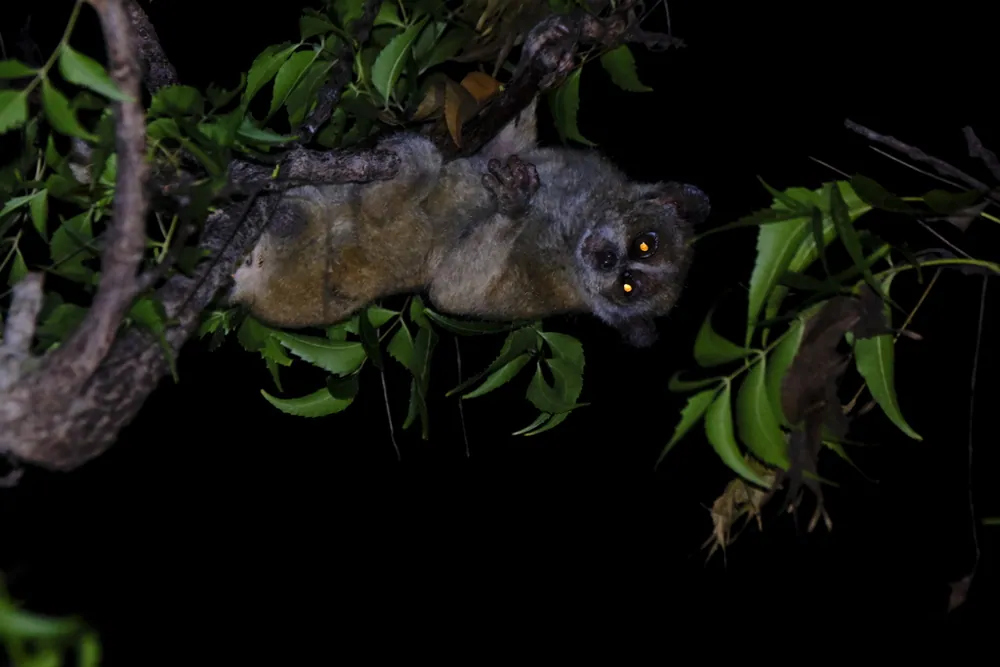
The pygmy slow loris is a small, nocturnal primate that moves slowly through forest trees at night. It lives in parts of Vietnam, Laos, Cambodia and China. It is one of the few primates that can produce a toxic bite, which makes it special and very rare.1



 Kā to atpazīt
- Rings around the eyes that are seal brown in adults and darker in young animals1
- A white stripe running from the nose up to the forehead1
- Small black ears, about 23 mm long, with no fur on the tips1
- A rufous to brownish-black stripe along the back, from the nape to the middle of the lower back1
- Silvery white hands and feet with yellowish-white nails1
Bieži jauc ar: The Bengal slow loris (N. bengalensis) lives in some of the same areas, near the border of southern China and Vietnam. The two can be told apart by differences in their chromosomes, not by appearance alone.1
Indes spēks
Inde iznāk caur ilkņiem vai zobiem, kad tas iekož.
Ko nodara tā inde?
The bite is toxic. The animal licks a clear, oily secretion from glands on the inside of its elbows and mixes it with its saliva, which creates a noxious toxin. The secretion contains over 200 chemical components, and one of them is a protein similar to an allergen found in cat dander. In people who are sensitive to it, this can cause anaphylaxis, a severe allergic reaction.1
Cik bīstams tas ir cilvēkiem?
Bīstamība cilvēkiem: SāpīgsTas var ļoti sāpēt, bet gandrīz nekad nav nopietni.The main risk is anaphylaxis, which can affect people who are sensitive to the protein in its secretion.1
Ko tas dara, kad ir nobijies?
When startled, it licks the secretion from its elbow glands and spreads it over its head.1
 Ja tas iekož
- Rūpīgi nomazgā brūci un meklē medicīnisko palīdzību.
Vienmēr vispirms zvani uz savu ārkārtas numuru (112, 000, 911). Tie ir vispārīgi pirmās palīdzības padomi, nevis medicīniska konsultācija. Pirmās palīdzības pamati
 Esi drošībā
- Nekad neaiztiec, neķer un neķircini savvaļas dzīvnieku, pat mazu, un pat ja tas izskatās aizmidzis vai miris.
- Dod tam vietu. Ja tādu satiec, saglabā mieru, lēnām atkāpies un ļauj tam iet savu ceļu.
- Ja tāds tev iekož: saglabā mieru, nekusties, zvani uz savu ārkārtas numuru (112, 000, 911) vai ātri dodies uz slimnīcu. Atceries, kā tas izskatījās, foto palīdz.
Tas nav nolēmis tevi medīt. Tas izmanto indi, lai noķertu barību vai aizsargātos, un daudz labprātāk paslēptos. Vairāk par drošību
Cik tas ir liels?
Cik tas ir garš?
Cik tas ir smags?

 tikpat garš kā 7 rotaļu klucīši rindā
 varētu noskriet 100 metrus 180 sekundēs (ātrākajam cilvēkam vajag 9,6)
Cik liels ir Pygmy slow loris salīdzinājumā ar TEVI?
Tikai matemātika tavā pārlūkā. Nekas netiek saglabāts vai kaut kur nosūtīts.
Cik tas ir ātrs?


Fakti
Its lower teeth form a comb-like toothcomb, which it uses for grooming and for scraping resin from tree bark.1
Its weight changes with the seasons. Adults can be about 50 percent heavier in winter than in summer, and individuals up to 700 grams have been recorded.1
Unlike most other primates, it does not leap. It moves by crawling slowly along branches.1
Males mark their territories with scent, and females prefer males whose scent is familiar.1
Females are only fertile for a short time each year, so mating opportunities are rare.1
Mītu grāvējs
Mīts: Animals found near Hòa Bình in Vietnam were a separate species, N. intermedius.
Patiesība: DNA analysis showed these were adults of the pygmy slow loris. Differences in dorsal stripes and silvery hairs are seasonal variation.1
Indes ekspertiem
- Zinātniskais nosaukums
- Xanthonycticebus pygmaeus
- Grupa
- Indīgie zīdītāji
- Ģimene
- Lorisidae2
- Secība
- Primates
- Kontinenti
- Āzija
- Mazuļi
- It usually has one or two offspring after a gestation of about six months, and the young cling to their mother's belly for the first few days.1
- Mūža ilgums
- apmēram 20 gadi1
- Kā tam klājas savvaļā
- Endangered1
- Bīstamība cilvēkiem
- 2 / 5: Sāpīgs3
No kurienes nāk fakti
- Pygmy slow loris (Wikipedia (CC BY-SA 4.0))
- Xanthonycticebus pygmaeus (iNaturalist): nosaukumi un klasifikācija.
- Venom Wiki: bīstamības līmenis, tipiskais izmērs un ātruma minējums ir mūsu pašu. Paskaties, kā mēs tos aprēķinām: Kā mēs vērtējam bīstamību.
Katram faktam šajā lapā ir numurs, kas norāda uz tā avotu. Ja mēs kaut ko esam sajaukuši, piedod, mēs esam dzīvnieku fani, nevis zinātnisks žurnāls. Uzraksti mums uz [email protected], un mēs to izlabosim.
 Skorpions ir izsalcis! Venom Wiki ir viena cilvēka projekts: bezmaksas, bez reklāmām un bez izsekotājiem. Neliels ziedojums palīdz to uzturēt tiešsaistē.Pabaro skorpionu
 Bengal slow loris
 Javan slow loris
 Sunda slow loris
 Kayan River slow loris
 Philippine slow loris
 Eurasian water shrew
 Palestīnas dzeltenais skorpions
 Indijas kobra
 Indijas zāģzvīņu odze
 Karaliskā kobra
 Pūšodze
 Rasela odze