
 Āfrika
 Āzija
Āzija Eiropa
 Dienvidamerika
 Austrālija un Okeānija
 Antarktīda
 Klusais okeāns
 Atlantijas okeāns
 Indijas okeāns
 Ziemeļu Ledus okeāns
 Vidusjūra
 Sarkanā jūra
 Karību jūra
 Koraļļu jūra
 Dienvidķīnas jūra
 Filipīnu jūra
 Andamanu jūra
 Ziemeļjūra
 Timoras jūra un Arafuras jūra
 Bengālijas līcis
 Kalifornijas līcis
Red-backed poison frog
 Inde ādā
The red-backed poison frog is a tiny frog that lives high in the Amazon rainforest of Peru and Ecuador. It is moderately poisonous, and its skin poison can cause serious injury to people. Its bright red back warns predators to stay away.1



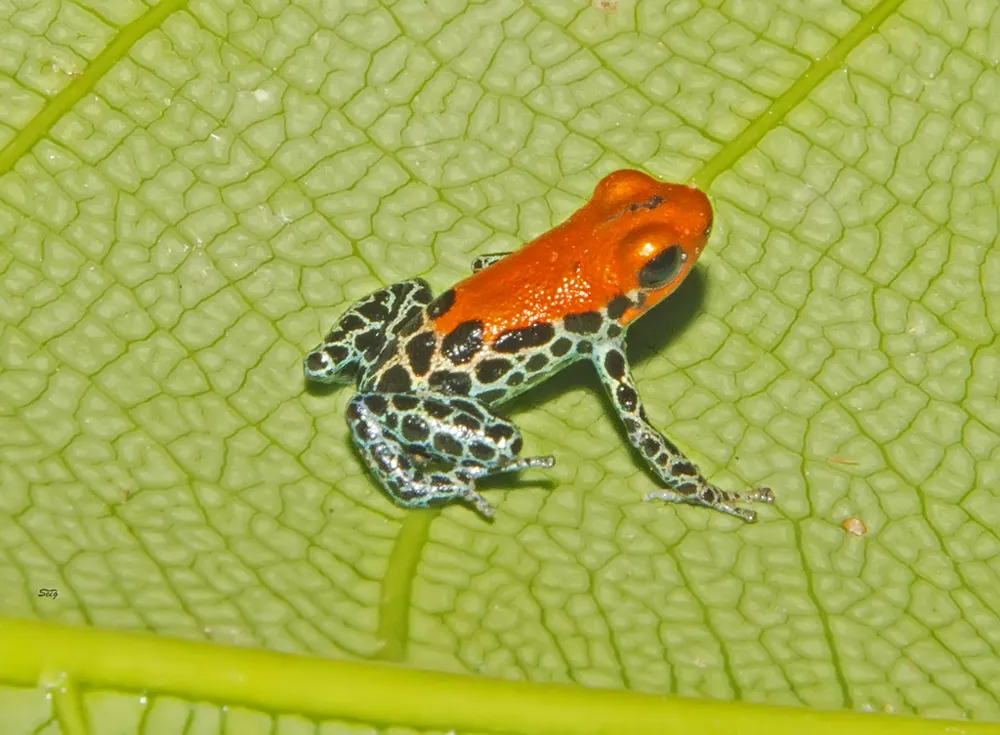
 Kā to atpazīt
Toksīnu spēks
Tā āda ir toksiska. To ir bīstami aizskart, laizīt vai ēst.
Ko nodara tā toksīni?
This frog is poisonous, not venomous, so it does not bite or sting. Its poison is stored in skin glands just beneath the outer layer of skin. It seeps through open wounds, body openings and pores. The poison can cause serious injury to humans and death in animals such as chickens.1
Cik bīstams tas ir cilvēkiem?
Bīstamība cilvēkiem: SāpīgsTas var ļoti sāpēt, bet gandrīz nekad nav nopietni.The poison is moderately toxic and can cause serious injury to humans.1
Ko tas dara, kad ir nobijies?
When it is threatened, it shows its bright warning colours, climbs trees to escape, or uses its poison if it cannot get away.1
 Ja kāds tam pieskārās vai to apēda
- Ja kāds tam pieskārās: rūpīgi nomazgā rokas un neaiztiec acis vai muti. Ja bērns vai mājdzīvnieks to nolaizīja vai apēda: zvani uz saindēšanās centru vai ārkārtas numuru.
Vienmēr vispirms zvani uz savu ārkārtas numuru (112, 000, 911). Tie ir vispārīgi pirmās palīdzības padomi, nevis medicīniska konsultācija. Pirmās palīdzības pamati
 Esi drošībā
- Nekad neaiztiec, neķer un neķircini savvaļas dzīvnieku, pat mazu, un pat ja tas izskatās aizmidzis vai miris.
- Dod tam vietu. Ja tādu satiec, saglabā mieru, lēnām atkāpies un ļauj tam iet savu ceļu.
- Ja tu tam pieskāries vai to apēdi: neberzē acis vai muti, nomazgā rokas un meklē medicīnisko palīdzību.
Tas nav nolēmis tevi medīt. Tā inde ir tikai tāpēc, lai neviens to neapēstu. Vairāk par drošību
Cik tas ir liels?
Cik tas ir garš?
 īsāks par tavu mazo pirkstiņu
 varētu noskriet 100 metrus 110 sekundēs (ātrākajam cilvēkam vajag 9,6)
Cik liels ir Red-backed poison frog salīdzinājumā ar TEVI?
Tikai matemātika tavā pārlūkā. Nekas netiek saglabāts vai kaut kur nosūtīts.
Cik tas ir ātrs?


Fakti
Males stick the tadpoles to their backs using a water-soluble mucus, then carry them into the canopy.1
Males place the tadpoles in tiny pools that collect in the centre of bromeliad plants. The mother then feeds them infertile eggs laid in the water.1
Once they become froglets, the young are led to an existing group, where all members accept them, though only their parents care for them.1
It is the second most poisonous frog in its genus Ranitomeya, after R. variabilis.1
Breeding gatherings take place at the end of the wet season, so the eggs are laid at the start of the next wet season, when the young have a steady supply of water.1
Deforestation for charcoal and the capture of frogs for the international pet trade are the main threats to it.1
Indes ekspertiem
- Zinātniskais nosaukums
- Ranitomeya reticulata
- Grupa
- Indesvardes, krupji un tritoni
- Ģimene
- Dendrobatidae2
- Secība
- Anura
- Kontinenti
- Dienvidamerika
- Mazuļi
- Females lay eggs on the ground, and after the eggs hatch, males carry the tadpoles up into the canopy.1
- Kā tam klājas savvaļā
- Least Concern1
- Bīstamība cilvēkiem
- 2 / 5: Sāpīgs3
No kurienes nāk fakti
- Red-backed poison frog (Wikipedia (CC BY-SA 4.0))
- Ranitomeya reticulata (iNaturalist): nosaukumi un klasifikācija.
- Venom Wiki: bīstamības līmenis, tipiskais izmērs un ātruma minējums ir mūsu pašu. Paskaties, kā mēs tos aprēķinām: Kā mēs vērtējam bīstamību.
Katram faktam šajā lapā ir numurs, kas norāda uz tā avotu. Ja mēs kaut ko esam sajaukuši, piedod, mēs esam dzīvnieku fani, nevis zinātnisks žurnāls. Uzraksti mums uz [email protected], un mēs to izlabosim.
 Skorpions ir izsalcis! Venom Wiki ir viena cilvēka projekts: bezmaksas, bez reklāmām un bez izsekotājiem. Neliels ziedojums palīdz to uzturēt tiešsaistē.Pabaro skorpionu
Vairāk no tās pašas grupas: Indesvardes, krupji un tritoni
 Zeltainā indesvardeIndesvardes, krupji un tritoniNāvējošsNeaiztikt
 Cane toadIndesvardes, krupji un tritoniVajag ārstuNeaiztikt
 Dyeing poison dart frogIndesvardes, krupji un tritoniTikai sāpNeaiztikt
 Black-legged poison frogIndesvardes, krupji un tritoniVar nogalinātNeaiztikt
 Bruno's casque-headed frogIndesvardes, krupji un tritoniVajag ārstuNeaiztikt
 Harlequin poison frogIndesvardes, krupji un tritoniVajag ārstuNeaiztikt
 Terciopelo
 Brazilian wandering spider
 Eyelash viper
 Golden lancehead
 South American bushmaster
 Peruvian giant centipede