
 အာဖရိက
 အာရှ
အာရှ ဥရောပ
ဥရောပ တောင်အမေရိက
 ဩစတြေးလျနဲ့ အိုရှန်းနီးယား
 အန္တာတိက
 ပစိဖိတ်သမုဒ္ဒရာ
 အတ္တလန္တိတ်သမုဒ္ဒရာ
 အိန္ဒိယသမုဒ္ဒရာ
 အာတိတ်သမုဒ္ဒရာ
 မြေထဲပင်လယ်
 ပင်လယ်နီ
 ကာရစ်ဘီယံ ပင်လယ်
 ကော်ရယ် ပင်လယ်
 တောင်တရုတ်ပင်လယ်
 ဖိလစ်ပိုင် ပင်လယ်
 ကပ္ပလီပင်လယ်
 မြောက်ပင်လယ်
 တီမော နဲ့ အာရာဖူရာ ပင်လယ်
 ဘင်္ဂလားပင်လယ်အော်
 ကယ်လီဖိုးနီးယား ပင်လယ်ကွေ့
Estuarine stonefish
 အဆိပ်ဆူးများ
The estuarine stonefish is a fish that looks like a stone lying on the seabed. It lives in shallow reefs and estuaries across the Indo-Pacific, including northern Australia. It is considered one of the most dangerous venomous fish in the world, so it is important to know what it looks like.1



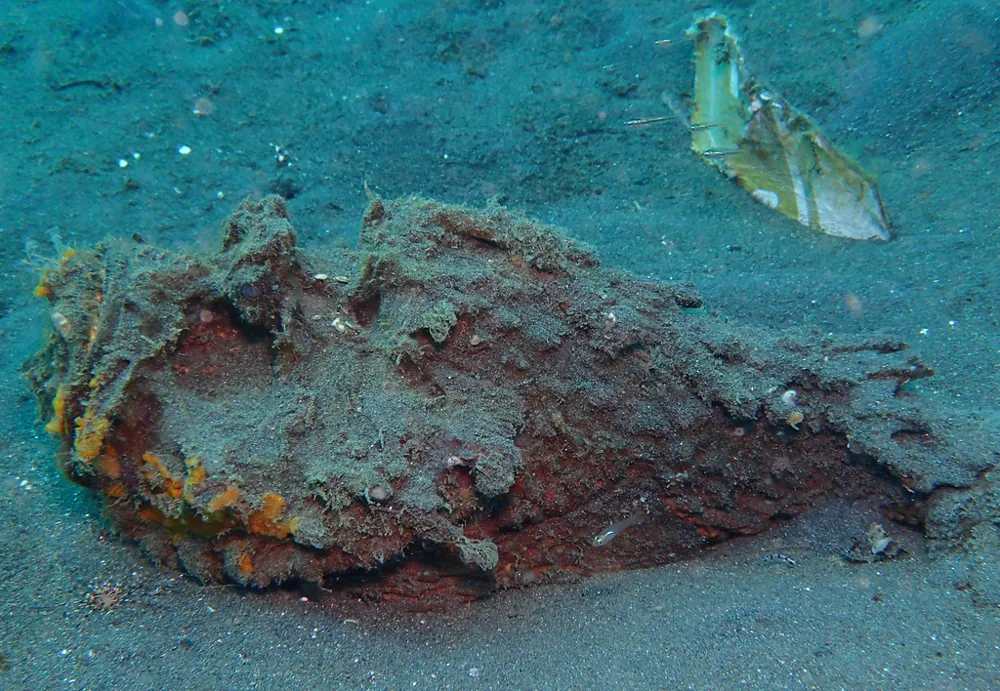
 ဘယ်လို မှတ်မိနိုင်လဲ
- Drab brownish-grey, reddish or greenish-brown colour1
- Skin has no scales and is covered in warts, often with filamentous algae growing on it1
- Head is flattened, with small eyes set high and pointing upwards, and a deep pit behind and under each eye1
- Large, almost vertical mouth with fringing cirri on the lips1
- Camouflaged to look like a stone resting on the bottom; it has no bright warning colours1
- Grows to a maximum of 60 cm1
အဆိပ် စွမ်းအား
ချွန်ထက်တဲ့ ဆူးတွေမှာ အဆိပ်ပါတယ်။ နင်းမိရင် ဒါမှမဟုတ် ကိုင်မိရင် နာတယ်။
သူ့အဆိပ်က ဘာလုပ်လဲ?
Each fin spine has two venom-producing glands. The venom affects the cardiovascular and neuromuscular systems. The sting is extremely painful and has been known to be lethal.1
လူအတွက် ဘယ်လောက် အန္တရာယ်ရှိလဲ?
လူအတွက် အန္တရာယ်: အရမ်း အန္တရာယ်ရှိတယ်ကုသမှုမရတဲ့ လူကို သေစေနိုင်တယ်။It is considered one of the most dangerous venomous fishes. Stings are extremely painful and have been known to be fatal. Since European settlement, there have been no recorded deaths in Australia from stonefish venom, but deaths have been recorded elsewhere in its range.1
 သတင်းကောင်း: ဆရာဝန်တွေမှာ ဒီအတွက် ဆေး (အဆိပ်ဖြေဆေး) ဒါမှမဟုတ် ကုသမှု ရှိတယ်။1
ကြောက်တဲ့အခါ ဘာလုပ်လဲ?
When disturbed, it erects its venomous spines, which inject venom if the fish is stepped on.1
 ဆူးစူးရင်
- Antivenom can be given after envenomation. Immersing the sting wound in hot water can be used to denature the venom.1
- ဒဏ်ရာကို ရေပူထဲ စိမ်ပါ၊ လူနာ မလောင်ဘဲ ခံနိုင်သလောက် ပူပါစေ (ကိုယ့်လက်နဲ့ အရင်စမ်းပါ)၊ မိနစ် 30 ကနေ 90 အထိ။ ဆေးကုသမှု ယူပါ၊ အထူးသဖြင့် ကျောက်ငါးနဲ့ လိပ်ကျောက်ငါးအတွက်။
အရေးပေါ်နံပါတ် (112, 000, 911) ကို အရင်ဆုံး အမြဲခေါ်ပါ။ ဒါက ယေဘုယျ ရှေးဦးသူနာပြုစုနည်း လမ်းညွှန်ဖြစ်ပြီး ဆေးပညာဆိုင်ရာ အကြံဉာဏ် မဟုတ်ပါ။ ရှေးဦးသူနာပြုစုခြင်း အခြေခံ
 ဘေးကင်းအောင် နေပါ
- တောရိုင်းတိရစ္ဆာန်ကို ဘယ်တော့မှ မထိ၊ မဖမ်း၊ မစပါနဲ့၊ သေးသေးလေး ဖြစ်နေရင်တောင်၊ အိပ်နေပုံ ဒါမှမဟုတ် သေနေပုံ ပေါက်ရင်တောင်။
- နေရာပေးပါ။ တွေ့ရင် တည်ငြိမ်နေပါ၊ ဖြည်းဖြည်း နောက်ဆုတ်ပြီး သူ့လမ်း သူသွားပါစေ။
- သူ့ဆူးတွေ မင်းကို စူးရင်: တည်ငြိမ်နေပါ၊ မလှုပ်ပါနဲ့၊ အရေးပေါ်နံပါတ် (112, 000, 911) ခေါ်ပါ ဒါမှမဟုတ် ဆေးရုံ အမြန်သွားပါ။ ပုံပန်းကို မှတ်ထားပါ၊ ဓာတ်ပုံက အထောက်အကူ ဖြစ်တယ်။
မင်းကို ရန်ရှာနေတာ မဟုတ်ဘူး။ အစာဖမ်းဖို့ ဒါမှမဟုတ် ကိုယ့်ကိုယ်ကို ကာကွယ်ဖို့ အဆိပ်ကို သုံးတာပါ၊ ပုန်းနေရတာကို ပိုကြိုက်တယ်။ ဘေးကင်းအောင်နေခြင်း အကြောင်း ထပ်ဖတ်ရန်
ကမ္ဘာ့ ဘယ်နေရာမှာလဲ?
ဘယ်လောက် ကြီးလဲ?
ဘယ်လောက် ရှည်လဲ?
 ငှက်ပျောသီး 3 လုံး ဆက်တန်းစီထားသလောက် ရှည်တယ်
 ရေကူးကန်ကြီး (50 မီတာ) ရဲ့ အလျားကို 90 စက္ကန့်နဲ့ ကူးနိုင်တယ်
Estuarine stonefish က မင်းနဲ့ယှဉ်ရင် ဘယ်လောက် ကြီးလဲ?
မင်း ဘရောက်ဇာထဲက တွက်ချက်မှု သက်သက်ပါ။ ဘာမှ မသိမ်းဘူး၊ ဘယ်ကိုမှ မပို့ဘူး။
ဘယ်လောက် မြန်လဲ?


အချက်အလက်များ
It can tolerate being out of the water for up to 24 hours.1
It scoops out a shallow hollow in the seabed with its large pectoral fins and curls its tail around its body to hide.1
It is camouflaged to look like a stone, unlike many venomous animals that use bright warning colours.1
Females are larger than males.1
အယူအဆမှား ဖြိုခွဲသူ
အယူအဆမှား: The species name horrida refers to its dangerous spines.
အမှန်တရား: The name means "dreadful" or "frightful" and alludes to its appearance, not its venomous spines.1
အချက်အလက်တွေ ဘယ်ကလာလဲ
- Synanceia horrida (Wikipedia (CC BY-SA 4.0))
- Synanceia horrida (iNaturalist): အမည်များနဲ့ အမျိုးအစားခွဲခြားမှု။
- Venom Wiki: အန္တရာယ်အဆင့်၊ ပုံမှန်အရွယ်အစားနဲ့ အမြန်နှုန်း ခန့်မှန်းချက်တွေက ကျွန်တော်တို့ကိုယ်ပိုင်ပါ။ ဘယ်လိုတွက်လဲ ကြည့်ပါ: အန္တရာယ်ကို ဘယ်လို အဆင့်သတ်မှတ်လဲ.
ဒီစာမျက်နှာက အချက်တိုင်းမှာ ရင်းမြစ်ကို ညွှန်တဲ့ နံပါတ် ပါတယ်။ တစ်ခုခု မှားခဲ့ရင် တောင်းပန်ပါတယ်၊ ကျွန်တော်တို့က တိရစ္ဆာန်ချစ်သူတွေပါ၊ သိပ္ပံဂျာနယ် မဟုတ်ပါ။ [email protected] ကို ပြောပြပါ၊ ပြင်ပေးပါမယ်။
 ကင်းမြီးကောက် ဗိုက်ဆာနေပြီ! Venom Wiki က လူတစ်ယောက်တည်းရဲ့ ပရောဂျက်ပါ: အခမဲ့၊ ကြော်ငြာမရှိ၊ ခြေရာခံမရှိ။ လှူဒါန်းငွေ အနည်းငယ်က အွန်လိုင်းမှာ ဆက်ရှိနေအောင် ကူညီတယ်။ကင်းမြီးကောက်ကို အစာကျွေးပါ
အုပ်စုတူ နောက်ထပ်: အဆိပ်ရှိ ငါးများ
 Reef stonefishအဆိပ်ရှိ ငါးများသေစေနိုင်တယ်မထိပါနဲ့
 Red lionfishအဆိပ်ရှိ ငါးများဆရာဝန် လိုတယ်မထိပါနဲ့
 Short-tail stingrayအဆိပ်ရှိ ငါးများသေစေနိုင်တယ်
 Striped eel catfishအဆိပ်ရှိ ငါးများသေစေနိုင်တယ်မထိပါနဲ့
 Bluespotted ribbontail rayအဆိပ်ရှိ ငါးများဆရာဝန် လိုတယ်
 Common stingrayအဆိပ်ရှိ ငါးများဆရာဝန် လိုတယ်
ဒီမှာလည်း နေတယ်: အိန္ဒိယသမုဒ္ဒရာ
 Australian box jellyfishရေဘဝဲနဲ့ ပင်လယ် တုပ်ကောင်များသေစေတတ်တယ်မထိပါနဲ့
 Geography coneကတော့ခရုနဲ့ ရေဘဝဲ (ရေဘဝဲခြေရှည်)သေစေတတ်တယ်
 Greater blue-ringed octopusကတော့ခရုနဲ့ ရေဘဝဲ (ရေဘဝဲခြေရှည်)သေစေတတ်တယ်
 Southern blue-ringed octopusကတော့ခရုနဲ့ ရေဘဝဲ (ရေဘဝဲခြေရှည်)သေစေတတ်တယ်
 Hawksbill sea turtleတခြား အဆိပ်ရှိ (ထိ/စား) တိရစ္ဆာန်များသေစေနိုင်တယ်
 Irukandji jellyfishရေဘဝဲနဲ့ ပင်လယ် တုပ်ကောင်များသေစေနိုင်တယ်မထိပါနဲ့