
 अफ्रिका
 एसिया
एसिया युरोप
युरोप दक्षिण अमेरिका
 अस्ट्रेलिया र ओसिनिया
 अन्टार्कटिका
 प्रशान्त महासागर
 एट्लान्टिक महासागर
 हिन्द महासागर
 आर्कटिक महासागर
 भूमध्य सागर
 लाल सागर
 क्यारिबियन सागर
 कोरल सागर
 दक्षिण चीन सागर
 फिलिपिन्स सागर
 अण्डमान सागर
 उत्तर सागर
 टिमोर र अराफुरा सागर
 बंगालको खाडी
 क्यालिफोर्नियाको खाडी
Violet carpenter bee
 डसाइ
डसाइThe violet carpenter bee is one of the largest bees in Europe. It is also found across parts of Asia. It nests in dead wood, which is where the name 'carpenter bee' comes from.1
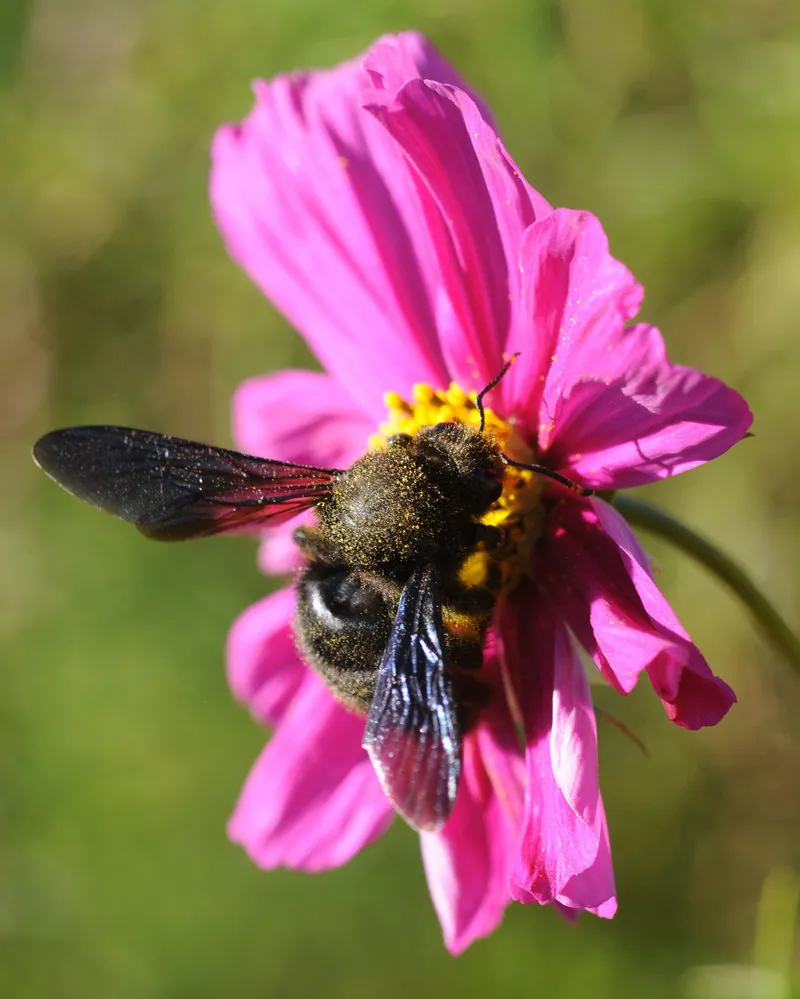
 यसलाई कसरी चिन्ने
- One of the largest bees in Europe1
- Makes its nest in dead wood1
- Adults emerge from hibernation in spring, usually around April or May1
- In late spring or early summer, adults are seen searching for mates and nesting sites1
प्रायः यससँग झुक्किइन्छ: In India, several all-black Xylocopa species are called 'bhanvra' (or 'bhomora' in Assamese). Sightings of these are often wrongly blamed on this species. This species is found only in the northern regions of Jammu and Kashmir and Punjab. Most sightings refer to other black carpenter bees, such as X. nasalis, X. tenuiscapa or X. tranquebarorum.1
विष शक्ति
डङ्कबाट विष निस्कन्छ।
यो मानिसका लागि कति खतरनाक छ?
मानिसलाई खतरा: हल्कामौरीको डसाइ जत्तिकै वा त्यसभन्दा कम। मानिसका लागि लगभग हानिरहित।It is not particularly aggressive and will attack only if forced to.1
डराउँदा यसले के गर्छ?
It will sting only if forced to.1
 यसले डस्यो भने
- मौरीको डङ्क खुर्केर निकाल र त्यो ठाउँ चिसो पार।
- व्यक्तिलाई सास फेर्न गाह्रो भयो, अनुहार वा घाँटी सुन्नियो, वा बेहोस हुन लागे जस्तो भयो भने, यो एलर्जीको आपतकालीन अवस्था हो: आपतकालीन नम्बरमा फोन गर र उनीसँग एड्रेनालिन पेन (एड्रेनालिन अटो-इन्जेक्टर) छ भने प्रयोग गर।
सधैँ पहिले आफ्नो आपतकालीन नम्बरमा फोन गर (112, 000, 911)। यो सामान्य प्राथमिक उपचार मार्गदर्शन हो, चिकित्सकीय सल्लाह होइन। प्राथमिक उपचारका आधारभूत कुरा
 सुरक्षित रहू
- जंगली जनावरलाई कहिल्यै नछोऊ, नसमात वा नजिस्काऊ, सानो भए पनि, र सुतेको वा मरेको जस्तो देखिए पनि।
- यसलाई ठाउँ देऊ। कुनै भेट्यौ भने शान्त रहू, बिस्तारै पछाडि हट र त्यसलाई आफ्नै बाटो जान देऊ।
- कुनैले तिमीलाई डस्यो भने: शान्त रहू, नचलीकन बस, आफ्नो आपतकालीन नम्बरमा (112, 000, 911) फोन गर वा छिटो अस्पताल पुग। त्यो कस्तो देखिन्थ्यो सम्झ, फोटोले मद्दत गर्छ।
यो तिमीलाई खोज्दै हिँडेको होइन। यसले आफ्नो विष खाना समात्न वा आफूलाई बचाउन प्रयोग गर्छ, र यो त लुक्न नै रुचाउँछ। सुरक्षित रहने बारे थप
संसारको कुन ठाउँमा?
यो कति ठूलो छ?
यो कति लामो छ?
 लगभग पेपर क्लिप जत्तिकै लामो
 पूरै फुटबल मैदान 13 सेकेन्डमा उडेर पार गर्न सक्छ
तिमीसँग तुलना गर्दा Violet carpenter bee कति ठूलो छ?
तिम्रो ब्राउजरमा हिसाब मात्र। केही पनि सेभ हुँदैन, कतै पठाइँदैन।
यो कति छिटो छ?


तथ्यहरू
It was found breeding in England for the first time in 2007, in Leicestershire.1
Its range has expanded north in France, Germany and the Channel Islands.1
Adults hibernate over winter in old nest tunnels.1
Like most carpenter bees, it nests in dead wood rather than in hives.1
The female creates her nest alone, as other solitary bees do.1
भ्रम तोड्ने
भ्रम: Every all-black carpenter bee in India is a violet carpenter bee, called 'bhanvra'.
सत्य: This species is found only in the northern regions of Jammu and Kashmir and Punjab. Most black carpenter bees called bhanvra belong to other Xylocopa species.1
विष विशेषज्ञहरूका लागि
- वैज्ञानिक नाम
- Xylocopa violacea
- समूह
- मौरी, बारुला र अरिङ्गाल
- परिवार
- Apidae2
- क्रम
- Hymenoptera
- महादेशहरू
- युरोप, एसिया
- बच्चाहरू
- The female builds the nest alone. She lays eggs in a series of small cells, each supplied with a pollen ball for the larva to feed on. Adults emerge in late summer and then hibernate until the following year.1
- मानिसलाई खतरा
- 1 / 5: हल्का3
तथ्यहरू कहाँबाट आए
- Xylocopa violacea (Wikipedia (CC BY-SA 4.0))
- Xylocopa violacea (iNaturalist): नाम र वर्गीकरण।
- Venom Wiki: खतरा स्तर, सामान्य आकार र गतिको अनुमान हाम्रा आफ्नै हुन्। हामी तिनलाई कसरी निकाल्छौँ हेर: हामी खतरा कसरी मूल्यांकन गर्छौँ.
यस पृष्ठको हरेक तथ्यमा त्यसको स्रोत देखाउने नम्बर छ। हामीले केही गलत भनेका छौँ भने माफ गर, हामी जनावरका फ्यान हौँ, विज्ञान पत्रिका होइनौँ। [email protected] मा हामीलाई भन, हामी सच्याउँछौँ।
 बिच्छीलाई भोक लाग्यो! Venom Wiki एक जना मान्छेको परियोजना हो: निःशुल्क, विज्ञापन र ट्र्याकर बिना। सानो टिपले यसलाई अनलाइन राख्न मद्दत गर्छ।बिच्छीलाई खुवाऊ
 Asian giant hornet
 Common wasp
 European hornet
 Western honey bee
 Giant honey bee
 Asian hornet
 Common European adder
 Spanish fly
 Fire salamander
 Blunt-nosed viper
 Nose-horned viper
 Ottoman viper