
 ଆଫ୍ରିକା
 ଏସିଆ
ଏସିଆ ୟୁରୋପ
ୟୁରୋପ ଦକ୍ଷିଣ ଆମେରିକା
 ଅଷ୍ଟ୍ରେଲିଆ ଓ ଓସେନିଆ
 ଆଣ୍ଟାର୍କଟିକା
 ପ୍ରଶାନ୍ତ ମହାସାଗର
 ଆଟଲାଣ୍ଟିକ ମହାସାଗର
 ଭାରତ ମହାସାଗର
 ଆର୍କଟିକ ମହାସାଗର
 ଭୂମଧ୍ୟ ସାଗର
 ଲୋହିତ ସାଗର
 କାରିବିଆନ ସାଗର
 କୋରାଲ ସାଗର
 ଦକ୍ଷିଣ ଚୀନ ସାଗର
 ଫିଲିପାଇନ ସାଗର
 ଆଣ୍ଡାମାନ ସାଗର
 ଉତ୍ତର ସାଗର
 ତିମୋର ଓ ଆରାଫୁରା ସାଗର
 ବଙ୍ଗୋପସାଗର
 କାଲିଫର୍ନିଆ ଉପସାଗର
Black oil beetle
 ଚର୍ମରେ ବିଷ
The black oil beetle is a European beetle with an unusual life. It lives in meadows, field edges and other warm places in most of the continent, except the far north. Its young get a ride to a bee's nest, where they feed on the bee's eggs and food stores.1



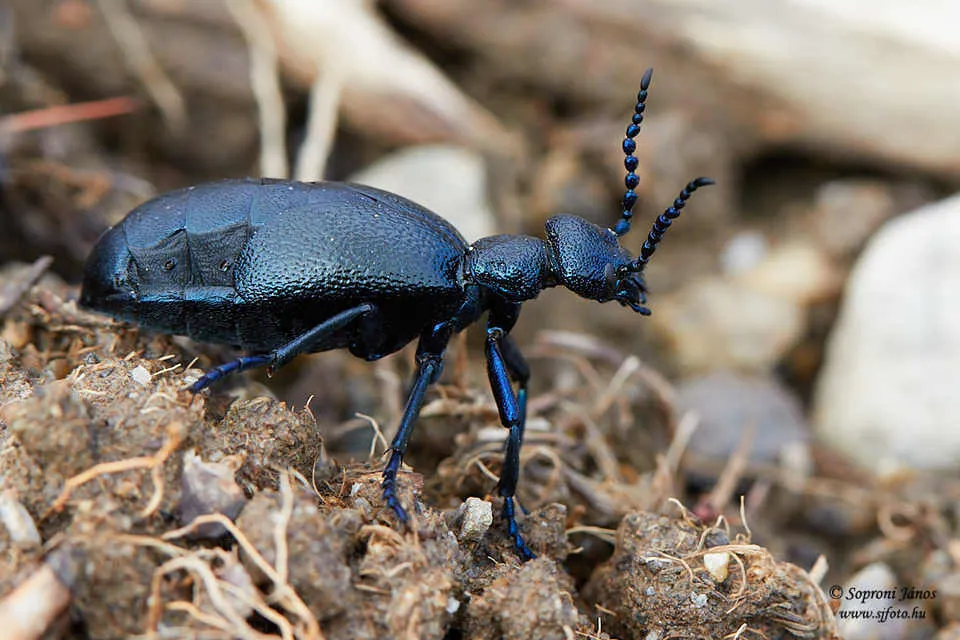
 ଏହାକୁ କିପରି ଚିହ୍ନିବ
ବିଷାକ୍ତ ଶକ୍ତି
ଏହାର ଚର୍ମ ବିଷାକ୍ତ। ଏହାକୁ ଛୁଇଁବା, ଚାଟିବା ବା ଖାଇବା ବିପଜ୍ଜନକ।
ଏହା ମଣିଷ ପାଇଁ କେତେ ବିପଜ୍ଜନକ?
ମଣିଷ ପାଇଁ ବିପଦ: ଯନ୍ତ୍ରଣାଦାୟକଏହା ସତରେ ବହୁତ ଯନ୍ତ୍ରଣା ଦେଇପାରେ, କିନ୍ତୁ ପ୍ରାୟ କେବେ ବି ଗୁରୁତର ନୁହେଁ। ଯଦି କେହି ଏହାକୁ ଛୁଇଁଛନ୍ତି ବା ଖାଇଛନ୍ତି
- ଯଦି କେହି ଏହାକୁ ଖାଇଛନ୍ତି ବା ଖାଇବା ପରେ ଲକ୍ଷଣ ଦେଖାଦେଇଛି: ତୁରନ୍ତ ତୁମ ଜରୁରୀକାଳୀନ ନମ୍ବର ବା ବିଷ ନିୟନ୍ତ୍ରଣ କେନ୍ଦ୍ରକୁ ଫୋନ କର।
ସବୁବେଳେ ପ୍ରଥମେ ତୁମ ଜରୁରୀକାଳୀନ ନମ୍ବରକୁ ଫୋନ କର (112, 000, 911)। ଏହା ସାଧାରଣ ପ୍ରାଥମିକ ଚିକିତ୍ସା ମାର୍ଗଦର୍ଶନ, ଡାକ୍ତରୀ ପରାମର୍ଶ ନୁହେଁ। ପ୍ରାଥମିକ ଚିକିତ୍ସାର ମୂଳ କଥା
 ସୁରକ୍ଷିତ ରୁହ
- କୌଣସି ବନ୍ୟ ପ୍ରାଣୀକୁ କେବେ ବି ଛୁଅଁ ନାହିଁ, ଧର ନାହିଁ ବା ଚିଡ଼ାଅ ନାହିଁ, ଛୋଟ ହେଲେ ବି, ଏବଂ ଶୋଇଥିବା ବା ମରିଥିବା ପରି ଦେଖାଗଲେ ବି।
- ଏହାକୁ ଜାଗା ଦିଅ। ଯଦି ଦେଖାହୁଏ, ଶାନ୍ତ ରୁହ, ଧୀରେ ପଛକୁ ଘୁଞ୍ଚ ଏବଂ ତାକୁ ତା' ବାଟରେ ଯିବାକୁ ଦିଅ।
- ଯଦି ତୁମେ ଏହାକୁ ଛୁଇଁଛ ବା ଖାଇଛ: ଆଖି ବା ପାଟି ଘଷ ନାହିଁ, ହାତ ଧୁଅ ଏବଂ ଡାକ୍ତରୀ ସହାୟତା ନିଅ।
ଏହା ତୁମ ପଛରେ ପଡ଼ିନାହିଁ। ଏହାର ବିଷ କେବଳ ଏଥିପାଇଁ ଅଛି ଯେପରି କେହି ଏହାକୁ ନ ଖାଏ। ସୁରକ୍ଷିତ ରହିବା ବିଷୟରେ ଅଧିକ
ଏହା କେତେ ବଡ଼?
ଏହା କେତେ ଲମ୍ବା?
 ପ୍ରାୟ ପେପର କ୍ଲିପ ପରି ଲମ୍ବା
ତୁମ ତୁଳନାରେ Black oil beetle କେତେ ବଡ଼?
କେବଳ ତୁମ ବ୍ରାଉଜରରେ ହିସାବ। କିଛି ସେଭ ହୁଏ ନାହିଁ ବା କେଉଁଠିକୁ ପଠାଯାଏ ନାହିଁ।
ଏହା କେତେ ଦ୍ରୁତ?


ତଥ୍ୟ
The larvae can attract bees without a flower by producing a flowery scent, even when they are outside a flower.1
The larvae use well-developed claws to attach themselves to a visiting bee and travel back to its nest.1
Inside the bee's nest, the larva eats the bee's eggs and the pollen and nectar the bee has stored.1
The author Gerald Durrell describes this beetle's life cycle in detail in his autobiographical book My Family and Other Animals.1
After it leaves the bee's nest as an adult, it seeks a mate straight away.1
ବିଷ ବିଶେଷଜ୍ଞଙ୍କ ପାଇଁ
- ବୈଜ୍ଞାନିକ ନାମ
- Meloe proscarabaeus
- ଗୋଷ୍ଠୀ
- ଅନ୍ୟ ବିଷାକ୍ତ ପ୍ରାଣୀ
- ପରିବାର
- Meloidae2
- ବର୍ଗ
- Coleoptera
- ମହାଦେଶଗୁଡ଼ିକ
- ୟୁରୋପ, ଏସିଆ
- ଛୁଆ
- Females lay eggs in the soil. The larvae hatch and climb into a flower to wait for solitary bees. After feeding in the bee's nest, the larva pupates there and leaves to seek a mate.1
- ମଣିଷ ପାଇଁ ବିପଦ
- 2 / 5: ଯନ୍ତ୍ରଣାଦାୟକ3
ତଥ୍ୟ କେଉଁଠୁ ଆସେ
- Meloe proscarabaeus (Wikipedia (CC BY-SA 4.0))
- Meloe proscarabaeus (iNaturalist): ନାମ ଓ ବର୍ଗୀକରଣ।
- Venom Wiki: ବିପଦ ସ୍ତର, ସାଧାରଣ ଆକାର ଓ ବେଗ ଅନୁମାନ ଆମର ନିଜସ୍ୱ। ଦେଖ ଆମେ ସେଗୁଡ଼ିକୁ କିପରି ହିସାବ କରୁ: ଆମେ ବିପଦ କିପରି ମାପୁ.
ଏହି ପୃଷ୍ଠାର ପ୍ରତ୍ୟେକ ତଥ୍ୟ ସହ ଏକ ନମ୍ବର ଅଛି ଯାହା ତା'ର ଉତ୍ସକୁ ଦର୍ଶାଏ। ଯଦି ଆମେ କିଛି ଭୁଲ କରିଛୁ, କ୍ଷମା କରିବ, ଆମେ ପ୍ରାଣୀପ୍ରେମୀ, ବିଜ୍ଞାନ ପତ୍ରିକା ନୁହେଁ। [email protected] ରେ ଆମକୁ ଜଣାଅ, ଆମେ ଠିକ୍ କରିଦେବୁ।
 ବିଛାକୁ ଭୋକ ଲାଗିଛି! Venom Wiki ଜଣେ ବ୍ୟକ୍ତିଙ୍କ ପ୍ରକଳ୍ପ: ମାଗଣା, ବିଜ୍ଞାପନ ଓ ଟ୍ରାକର ବିନା। ଏକ ଛୋଟ ଟିପ ଏହାକୁ ଅନଲାଇନ ରଖିବାରେ ସାହାଯ୍ୟ କରେ।ବିଛାକୁ ଖାଇବାକୁ ଦିଅ
ସେହି ଗୋଷ୍ଠୀରୁ ଅଧିକ: ଅନ୍ୟ ବିଷାକ୍ତ ପ୍ରାଣୀ
 Spanish fly
 Green spotted puffer
 Common quail
 Cinnabar moth
 Red-striped oil beetle
 Six-spot burnet
ଏଠାରେ ମଧ୍ୟ ରହେ: ୟୁରୋପ
 Common European adderଭାଇପର ଓ ଆଡରଡାକ୍ତର ଦରକାର
 Common waspମହୁମାଛି, ବିରୁଡ଼ି ଓ ହର୍ନେଟକେବଳ ଯନ୍ତ୍ରଣା ଦିଏ
 European hornetମହୁମାଛି, ବିରୁଡ଼ି ଓ ହର୍ନେଟକେବଳ ଯନ୍ତ୍ରଣା ଦିଏ
 Fire salamanderବିଷାକ୍ତ ବେଙ୍ଗ, ଟୋଡ ଓ ନିଉଟକେବଳ ଯନ୍ତ୍ରଣା ଦିଏଛୁଅଁ ନାହିଁ
 Western honey beeମହୁମାଛି, ବିରୁଡ଼ି ଓ ହର୍ନେଟକେବଳ ଯନ୍ତ୍ରଣା ଦିଏ
 Blunt-nosed viperଭାଇପର ଓ ଆଡରମାରିପାରେ