
 Afryka
 Azja
Azja Europa
 Ameryka Południowa
 Australia i Oceania
 Antarktyda
 Ocean Spokojny
 Ocean Atlantycki
 Ocean Indyjski
 Ocean Arktyczny
 Morze Śródziemne
 Morze Czerwone
 Morze Karaibskie
 Morze Koralowe
 Morze Południowochińskie
 Morze Filipińskie
 Morze Andamańskie
 Morze Północne
 Morze Timor i Morze Arafura
 Zatoka Bengalska
 Zatoka Kalifornijska
Hardhead catfish
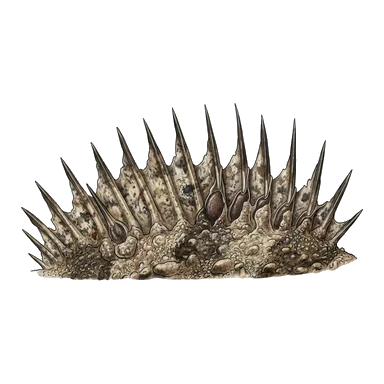 Jadowite kolce
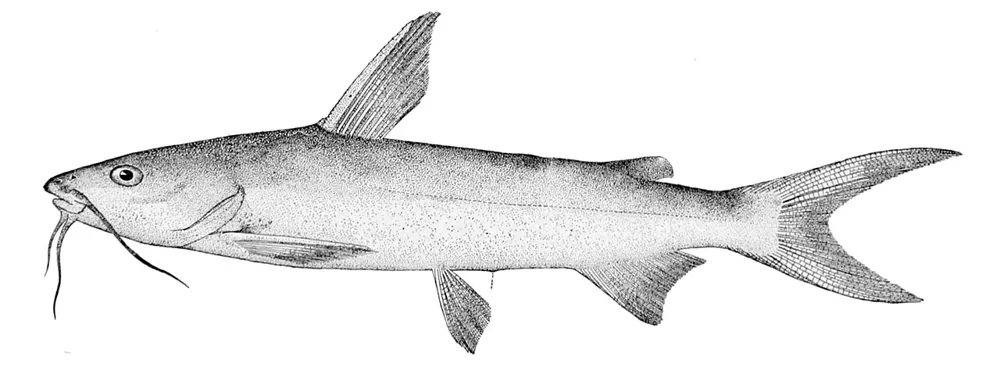
The hardhead catfish is a sea catfish that lives in shallow coastal waters of the northwest Atlantic and the Gulf of Mexico. It has sharp spines on its fins that can be venomous, so it is one to admire from a distance. Male hardhead catfish also carry their eggs in their mouths until they hatch.1
 Jak je rozpoznać
- Often dirty grey on top with white underneath.1
- Four barbels (whisker-like feelers) under the chin and two more at the corners of the mouth.1
- A hard, bony plate between the eyes and the dorsal fin.1
- Sharp, barbed, slime-covered spines on the dorsal and pectoral fins. The dorsal spine stands upright when the fish is excited.1
- Typically 25 to 30 cm long, and elongated in shape.1
Często mylone z: The gafftopsail catfish looks very similar. The difference is that its dorsal and pectoral spines have a fleshy extension, like the fore-and-aft topsail of a ship.1
Siła jadu
Jad jest w ostrych kolcach. Nadepnięcie albo chwycenie go boli.
Jak bardzo jest niebezpieczne dla ludzi?
Zagrożenie dla ludzi: BolesneMoże naprawdę boleć, ale prawie nigdy nie jest groźne.No bite or death figures are given. Anglers generally avoid catching it because of the risk from handling the fish and its spines, and because its flesh tastes fishy compared with popular game fish.1
Co robi, gdy się boi?
When it feels threatened or excited, its dorsal spine stands upright, and its sharp, slime-covered spines are its main defence.1
 Jeśli wbiją się w ciebie jego kolce
- Włóż zranione miejsce do gorącej wody, tak gorącej, jak poszkodowany wytrzyma bez poparzenia (sprawdź ją własną ręką), na 30 do 90 minut. Szukaj pomocy medycznej, zwłaszcza po szkaradnicy i płaszczce.
Zawsze najpierw dzwoń na numer alarmowy (112, 000, 911). To ogólne wskazówki pierwszej pomocy, a nie porada medyczna. Podstawy pierwszej pomocy
 Uważaj na siebie
- Nigdy nie dotykaj, nie łap ani nie drażnij dzikiego zwierzęcia, nawet małego, i nawet jeśli wygląda, jakby spało albo było martwe.
- Zostaw mu miejsce. Jeśli je spotkasz, zachowaj spokój, powoli się wycofaj i pozwól mu odejść.
- Jeśli wbiją się w ciebie jego kolce: zachowaj spokój, nie ruszaj się, zadzwoń na numer alarmowy (112, 000, 911) albo jak najszybciej dotrzyj do szpitala. Zapamiętaj, jak wyglądało, zdjęcie pomaga.
Nie poluje na ciebie. Używa jadu, żeby złapać jedzenie albo się bronić, i dużo bardziej woli się schować. Więcej o bezpieczeństwie
Gdzie na świecie?
Jakie jest duże?
Jakie jest długie?
Ile waży?
 długie jak 4 bananów ułożonych jeden za drugim
 waży mniej więcej tyle co kot domowy
 długość dużego basenu (50 m) wpław w 30 s
Hardhead catfish: jak duże jest w porównaniu z TOBĄ?
Zwykła matematyka w twojej przeglądarce. Nic nie jest zapisywane ani nigdzie wysyłane.
Jak szybkie jest?
Fakty
Male hardhead catfish are paternal mouthbrooders: they keep the eggs and young in their mouths, and do not feed while doing so.1
Some researchers suggest they may use low-frequency sounds to detect and avoid close obstacles, which is an unusual ability for a fish.1
They can make sounds by vibrating thin bones near the swim bladder, and by grinding their throat teeth or rubbing their pectoral spines. These sounds appear to be a fright response.1
Hardhead catfish respond to chemical alarm signals released by injured members of their own species, with their activity increasing right after the signal. They are the first marine catfish found to show this type of alarm reaction.1
They can live for over 24 years.1
Dla znawców jadu
- Nazwa naukowa
- Ariopsis felis
- Grupa
- Jadowite ryby
- Rodzina
- Ariidae2
- Kolejność
- Siluriformes
- Kontynenty
- Ocean Atlantycki, Zatoka Meksykańska, Morze Karaibskie, Oceany
- Młode
- The male carries the eggs in his mouth until they hatch, which takes roughly 8 to 11 weeks in total. Females have 20 to 65 eggs per spawning.1
- Długość życia
- około 24 lat1
- Zagrożenie dla ludzi
- 2 / 5: Bolesne3
Skąd pochodzą fakty
- Hardhead catfish (Wikipedia (CC BY-SA 4.0))
- Ariopsis felis (iNaturalist): nazwy i klasyfikacja.
- Venom Wiki: poziom zagrożenia, typowy rozmiar i szacowana prędkość to nasze własne oceny. Zobacz, jak je ustalamy: Jak oceniamy zagrożenie.
Każdy fakt na tej stronie ma numer, który wskazuje jego źródło. Jeśli coś pomyliliśmy, przepraszamy, jesteśmy fanami zwierząt, a nie czasopismem naukowym. Napisz do nas na [email protected], a poprawimy to.
 Skorpion jest głodny! Venom Wiki to projekt jednej osoby: darmowy, bez reklam i bez śledzenia. Mały napiwek pomaga utrzymać go w sieci.Nakarm skorpiona
Więcej z tej samej grupy: Jadowite ryby
 Reef stonefish
 Red lionfish
 Estuarine stonefish
 Short-tail stingray
 Striped eel catfish
 Bluespotted ribbontail ray
Żyje też w: Ocean Atlantycki
 Hawksbill sea turtleInne trujące zwierzętaMoże zabić
 Portuguese man o' warMeduzy i parzące stworzenia morskieWymaga lekarzaNie dotykaj
 Blue sea dragonStożki i ośmiorniceTylko boli
 Greenland sharkInne trujące zwierzętaTylko boli
 Lion's mane jellyfishMeduzy i parzące stworzenia morskieTylko boliNie dotykaj
 Common octopusStożki i ośmiorniceNieszkodliwe