
 Afryka
 Azja
Azja Europa
 Ameryka Południowa
 Australia i Oceania
 Antarktyda
 Ocean Spokojny
 Ocean Atlantycki
 Ocean Indyjski
 Ocean Arktyczny
 Morze Śródziemne
 Morze Czerwone
 Morze Karaibskie
 Morze Koralowe
 Morze Południowochińskie
 Morze Filipińskie
 Morze Andamańskie
 Morze Północne
 Morze Timor i Morze Arafura
 Zatoka Bengalska
 Zatoka Kalifornijska
Plate fire coral
 Użądlenia
Plate fire coral is a reef-building animal that looks like a coral but is actually a relative of jellyfish. It grows in shallow, sunny reef water across the Indo-Pacific, from the Red Sea and East Africa to northern Australia and French Polynesia. It matters because it helps build reefs and can give a painful burning sting.1


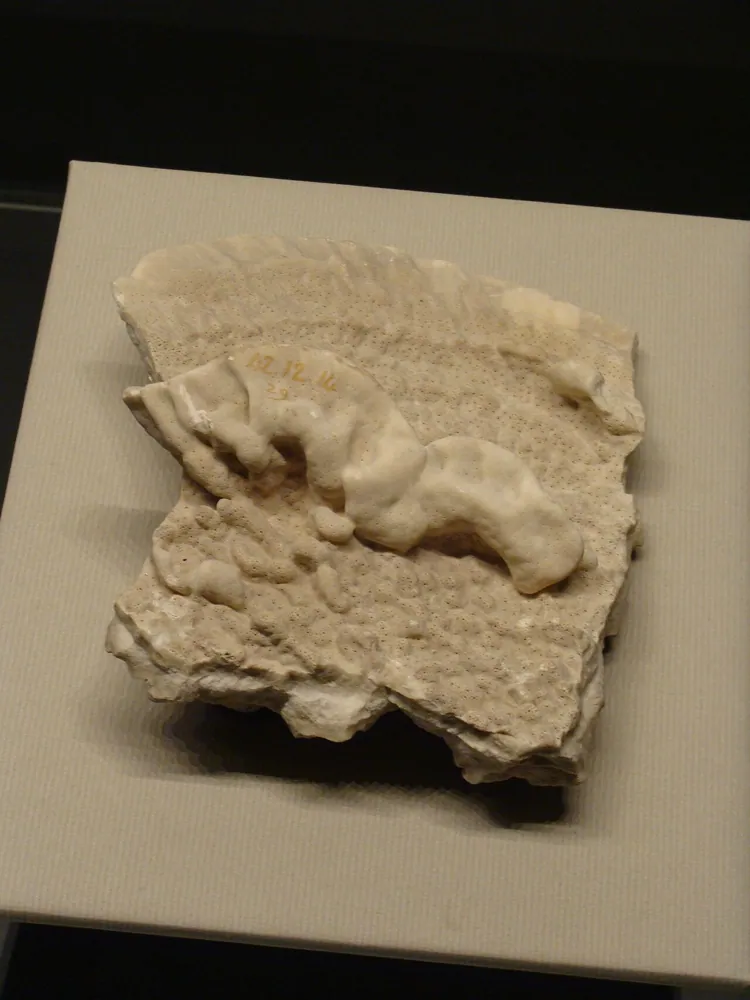
 Jak je rozpoznać
- Colonies are yellow-green or light-brown, and the tips may be white.1
- It usually grows in plate-like or blade-like forms, though it can also form branches, fans or encrusting layers.1
- Colonies often measure 200 to 300 cm across and can be up to 200 cm high.1
Często mylone z: Other fire corals, such as Millepora dichotoma and Millepora exaesa, are often confused with it. Plate fire coral is generally plate-like or blade-like, which helps tell it apart from them.1
Siła jadu
Jad wydostaje się przez żądło.
Jak działa jego jad?
Its defensive polyps carry stinging cells called nematocysts. Contact with them causes a burning sensation in humans.1
Jak bardzo jest niebezpieczne dla ludzi?
Zagrożenie dla ludzi: BolesneMoże naprawdę boleć, ale prawie nigdy nie jest groźne.Co robi, gdy się boi?
Its defensive polyps have long tentacles that sting anything that touches them.1
 Jeśli użądli
- Wyjdź z wody i zdejmij pozostałe czułki (w rękawiczkach albo przez materiał).
- Przy tropikalnych kostkowcach: polewaj miejsca poparzenia octem przez co najmniej 30 sekund, wezwij pomoc i przygotuj się do RKO. Przy żeglarzach portugalskich i większości innych: spłucz wodą morską, a potem przyłóż gorącą wodę na ból.
Zawsze najpierw dzwoń na numer alarmowy (112, 000, 911). To ogólne wskazówki pierwszej pomocy, a nie porada medyczna. Podstawy pierwszej pomocy
 Uważaj na siebie
- Nigdy nie dotykaj, nie łap ani nie drażnij dzikiego zwierzęcia, nawet małego, i nawet jeśli wygląda, jakby spało albo było martwe.
- Zostaw mu miejsce. Jeśli je spotkasz, zachowaj spokój, powoli się wycofaj i pozwól mu odejść.
- Jeśli cię użądli: zachowaj spokój, nie ruszaj się, zadzwoń na numer alarmowy (112, 000, 911) albo jak najszybciej dotrzyj do szpitala. Zapamiętaj, jak wyglądało, zdjęcie pomaga.
Nie poluje na ciebie. Używa jadu, żeby złapać jedzenie albo się bronić, i dużo bardziej woli się schować. Więcej o bezpieczeństwie
Gdzie na świecie?
Jakie jest duże?
Jakie jest długie?
 długie jak 3 psów od nosa do ogona
 długie jak 17 bananów ułożonych jeden za drugim
 wolniejsze niż ślimak winniczek
Plate fire coral: jak duże jest w porównaniu z TOBĄ?
Zwykła matematyka w twojej przeglądarce. Nic nie jest zapisywane ani nigdzie wysyłane.
Jak szybkie jest?


Fakty
Despite its name, plate fire coral is not a true coral. It belongs to the class Hydrozoa, which is separate from the stony and soft corals.1
It has two kinds of polyps: feeding polyps for catching food and defensive polyps with longer tentacles for protection.1
Its colonies can break into fragments during rough water, and these fragments can drift and start new colonies on nearby reefs.1
It can take many forms, including branches, fans, plates, blades and encrusting layers, and its shape depends on where it grows.1
It was once thought to have disappeared from the Eastern Pacific after bleaching events, but researchers later confirmed that its range extends back there.1
It helps build reefs in the Indo-Pacific region.1
Pogromca mitów
Mit: Plate fire coral is a true coral.
Prawda: It is a hydrozoan, not a true coral, and is separate from the stony and soft corals.1
Dla znawców jadu
- Nazwa naukowa
- Millepora platyphylla
- Grupa
- Meduzy i parzące stworzenia morskie
- Rodzina
- Milleporidae2
- Kolejność
- Anthoathecata
- Kontynenty
- Ocean Spokojny, Ocean Indyjski, Morze Czerwone, Morze Koralowe, Morze Filipińskie, Morze Timor i Morze Arafura, Zatoka Bengalska, Oceany
- Młode
- It releases reproductive buds that send eggs and sperm into the water, where fertilisation happens outside the body. The free-swimming larvae settle and become polyps after about 1 day.1
- Zagrożenie dla ludzi
- 2 / 5: Bolesne3
Skąd pochodzą fakty
- Millepora platyphylla (Wikipedia (CC BY-SA 4.0))
- Millepora platyphylla (iNaturalist): nazwy i klasyfikacja.
- Venom Wiki: poziom zagrożenia, typowy rozmiar i szacowana prędkość to nasze własne oceny. Zobacz, jak je ustalamy: Jak oceniamy zagrożenie.
Każdy fakt na tej stronie ma numer, który wskazuje jego źródło. Jeśli coś pomyliliśmy, przepraszamy, jesteśmy fanami zwierząt, a nie czasopismem naukowym. Napisz do nas na [email protected], a poprawimy to.
 Skorpion jest głodny! Venom Wiki to projekt jednej osoby: darmowy, bez reklam i bez śledzenia. Mały napiwek pomaga utrzymać go w sieci.Nakarm skorpiona
Więcej z tej samej grupy: Meduzy i parzące stworzenia morskie
 Kostkowiec australijskiMeduzy i parzące stworzenia morskieŚmiertelnie groźneNie dotykaj
 Irukandji jellyfishMeduzy i parzące stworzenia morskieMoże zabićNie dotykaj
 Portuguese man o' warMeduzy i parzące stworzenia morskieWymaga lekarzaNie dotykaj
 Lion's mane jellyfishMeduzy i parzące stworzenia morskieTylko boliNie dotykaj
 Moon jellyfishMeduzy i parzące stworzenia morskieNieszkodliwe
 Common kingslayerMeduzy i parzące stworzenia morskieMoże zabićNie dotykaj
Żyje też w: Ocean Spokojny
 Stożek geograficznyStożki i ośmiorniceŚmiertelnie groźne
 Ośmiornica błękitnopierścieniowa większaStożki i ośmiorniceŚmiertelnie groźne
 Rozdymka japońskaInne trujące zwierzętaŚmiertelnie groźne
 Ośmiornica błękitnopierścieniowa południowaStożki i ośmiorniceŚmiertelnie groźne
 Hawksbill sea turtleInne trujące zwierzętaMoże zabić
 Reef stonefishJadowite rybyMoże zabićNie dotykaj