
 Afryka
 Azja
Azja Europa
 Ameryka Południowa
 Australia i Oceania
 Antarktyda
 Ocean Spokojny
 Ocean Atlantycki
 Ocean Indyjski
 Ocean Arktyczny
 Morze Śródziemne
 Morze Czerwone
 Morze Karaibskie
 Morze Koralowe
 Morze Południowochińskie
 Morze Filipińskie
 Morze Andamańskie
 Morze Północne
 Morze Timor i Morze Arafura
 Zatoka Bengalska
 Zatoka Kalifornijska
Yellow boxfish
 Trucizna w skórze
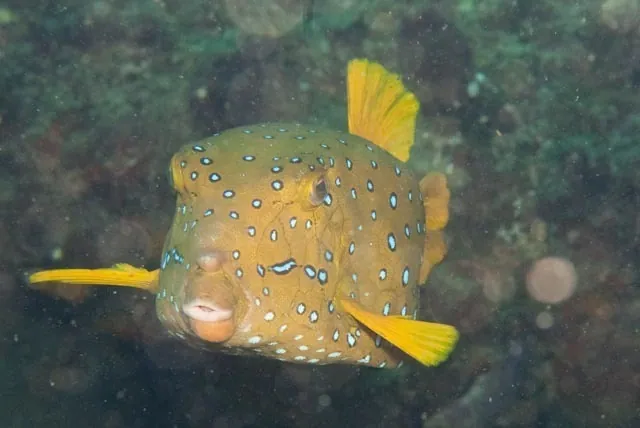
The yellow boxfish is a box-shaped fish with a hard, rigid body and bright yellow skin with black spots. It lives on coral reefs across the Indo-Pacific, from the Red Sea and east Africa to Hawaii and northern New Zealand. It is special because it can release a toxic mucus when stressed, which harms other fish nearby.1
 Jak je rozpoznać
- Box-shaped body covered by a rigid, armoured shell called a carapace1
- Young fish are bright yellow with black spots all over the body1
- As it ages, the yellow fades and very old fish are blue-grey to black with faded yellow1
- Usually found alone, as it is a solitary fish1
Często mylone z: The spotted boxfish (Ostracion meleagris) has the same box shape and spots. The yellow boxfish is mainly bright yellow with dark spots, while the spotted boxfish is darker with white spots.1
Siła trucizny
Jego skóra jest trująca. Niebezpiecznie jest jej dotykać, lizać ją albo ją jeść.
Jak działa jego trucizna?
When stressed, it secretes a toxic mucus containing a neurotoxin called ostracitoxin, which attacks the nerves. This toxin is highly harmful to marine fish: it breaks down their red blood cells, which then clump together. Nearby fish may be killed when they are exposed to it.1
Jak bardzo jest niebezpieczne dla ludzi?
Zagrożenie dla ludzi: ŁagodneJak użądlenie pszczoły albo słabiej. W zasadzie nieszkodliwe dla ludzi.Co robi, gdy się boi?
When threatened, it releases toxic mucus, and its bright yellow and black colours warn predators to stay away.1
 Jeśli ktoś je dotknął lub zjadł
- Jeśli ktoś je zjadł albo ma objawy po zjedzeniu: od razu zadzwoń na numer alarmowy albo do ośrodka toksykologicznego.
Zawsze najpierw dzwoń na numer alarmowy (112, 000, 911). To ogólne wskazówki pierwszej pomocy, a nie porada medyczna. Podstawy pierwszej pomocy
 Uważaj na siebie
- Nigdy nie dotykaj, nie łap ani nie drażnij dzikiego zwierzęcia, nawet małego, i nawet jeśli wygląda, jakby spało albo było martwe.
- Zostaw mu miejsce. Jeśli je spotkasz, zachowaj spokój, powoli się wycofaj i pozwól mu odejść.
- Po dotknięciu lub zjedzeniu: nie trzyj oczu ani ust, umyj ręce i szukaj pomocy medycznej.
Nie poluje na ciebie. Jego trucizna jest tylko po to, żeby nikt go nie zjadł. Więcej o bezpieczeństwie
Gdzie na świecie?
Jakie jest duże?
Jakie jest długie?
 długie jak 2,5 bananów ułożonych jeden za drugim
 długie jak 14 klocków ułożonych w rzędzie
 długość dużego basenu (50 m) wpław w 45 s
Yellow boxfish: jak duże jest w porównaniu z TOBĄ?
Zwykła matematyka w twojej przeglądarce. Nic nie jest zapisywane ani nigdzie wysyłane.
Jak szybkie jest?
Fakty
Engineers have studied boxfish to inspire designs for a concept car, bridge box girders and an airship.1
The carapace was once thought to help stability, but it was found to slightly increase drag and make the fish less stable.1
The fish can make humming and clicking sounds using the muscles of its swim bladder.1
The toxic mucus contains a bacterium, Vibrio parahaemolyticus, which may play a role in the fish's defence.1
Juvenile fish are brighter yellow than adults, and this bright colour is thought to deter predators early in life.1
Boxfish are strong, swift swimmers despite their stiff, box-shaped bodies.1
Pogromca mitów
Mit: Boxfish are weak swimmers because of their boxy shape.
Prawda: Boxfish are surprisingly strong swimmers. Their shape creates swirling water patterns that help them steer through reefs and make sharp turns.1
Dla znawców jadu
- Nazwa naukowa
- Ostracion cubicum
- Grupa
- Inne trujące zwierzęta
- Rodzina
- Ostraciidae2
- Kolejność
- Tetraodontiformes
- Kontynenty
- Ocean Spokojny, Ocean Indyjski, Morze Czerwone, Morze Koralowe, Morze Filipińskie, Morze Południowochińskie, Morze Timor i Morze Arafura, Zatoka Bengalska, Oceany
- Jak sobie radzi na wolności
- Least Concern1
- Zagrożenie dla ludzi
- 1 / 5: Łagodne3
Skąd pochodzą fakty
- Yellow boxfish (Wikipedia (CC BY-SA 4.0))
- Ostracion cubicum (iNaturalist): nazwy i klasyfikacja.
- Venom Wiki: poziom zagrożenia, typowy rozmiar i szacowana prędkość to nasze własne oceny. Zobacz, jak je ustalamy: Jak oceniamy zagrożenie.
Każdy fakt na tej stronie ma numer, który wskazuje jego źródło. Jeśli coś pomyliliśmy, przepraszamy, jesteśmy fanami zwierząt, a nie czasopismem naukowym. Napisz do nas na [email protected], a poprawimy to.
 Skorpion jest głodny! Venom Wiki to projekt jednej osoby: darmowy, bez reklam i bez śledzenia. Mały napiwek pomaga utrzymać go w sieci.Nakarm skorpiona
Więcej z tej samej grupy: Inne trujące zwierzęta
 Japanese pufferfishInne trujące zwierzętaŚmiertelnie groźne
 Hawksbill sea turtleInne trujące zwierzętaMoże zabić
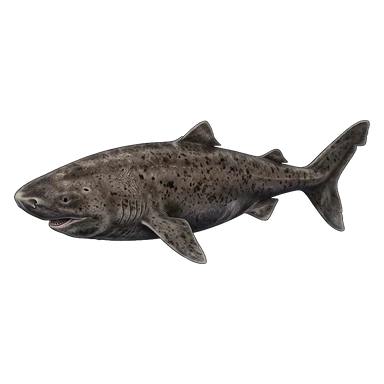 Greenland sharkInne trujące zwierzętaTylko boli
 Silver-cheeked toadfishInne trujące zwierzętaŚmiertelnie groźne
 Blackspotted pufferInne trujące zwierzętaMoże zabić
 White-spotted pufferInne trujące zwierzętaMoże zabić
Żyje też w: Ocean Spokojny
 Australian box jellyfishMeduzy i parzące stworzenia morskieŚmiertelnie groźneNie dotykaj
 Geography coneStożki i ośmiorniceŚmiertelnie groźne
 Greater blue-ringed octopusStożki i ośmiorniceŚmiertelnie groźne
 Southern blue-ringed octopusStożki i ośmiorniceŚmiertelnie groźne
 Irukandji jellyfishMeduzy i parzące stworzenia morskieMoże zabićNie dotykaj
 Reef stonefishJadowite rybyMoże zabićNie dotykaj