
 افریقا
 اسیا
اسیا اروپا
اروپا سویلي امریکا
 استرالیا او اوقیانوسیه
 انټارکټیکا
 ارام سمندر
 اطلس سمندر
 هند سمندر
 شمالي منجمد سمندر
 مدیترانه بحیره
 سره بحیره
 د کارائیب بحیره
 مرجاني بحیره
 د سویلي چین بحیره
 د فیلیپین بحیره
 د اندامان بحیره
 شمالي بحیره
 د تیمور او ارافورا بحیره
 د بنګال خلیج
 د کالیفورنیا خلیج
Common krait
 چیچي
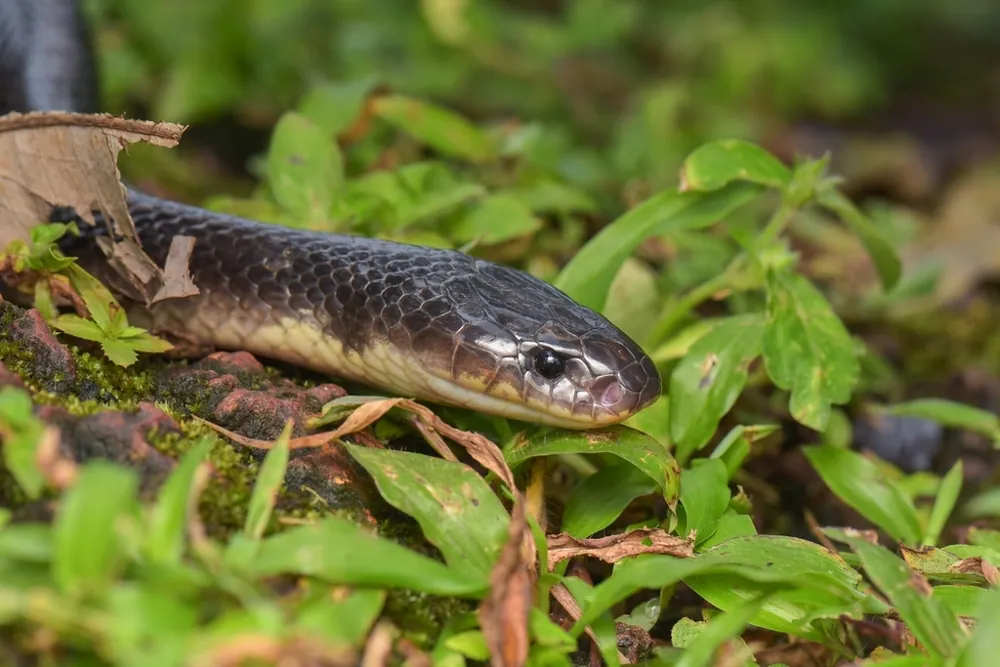
چیچيThe common krait is a highly venomous snake that lives across South Asia. It is shiny black or bluish-black with thin white crossbands. It causes more medically significant snakebites in the Indian subcontinent than any other snake, so knowing what it looks like matters.1
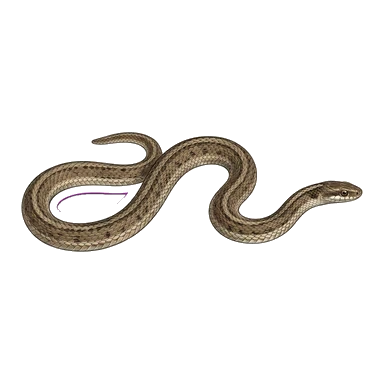
 څنګه یې وپېژنې
- Body is generally black or bluish-black.1
- About 40 thin, white crossbars run along the body. They may be faint or missing near the head in adults.1
- Young snakes have clear, well-defined crossbands, even near the head.1
- Older snakes may show the white lines as a series of connected spots.1
- The head is flat, the neck is hardly visible, and the tail is short and rounded.1
د زهرو ځواک
کله چې چیچي، زهر یې له زهري غاښونو یا غاښونو راوځي.
زهر یې (چیچل یا نیش) څه کوي؟
Its venom is neurotoxic, meaning it attacks the nerves. It blocks signals between nerves and muscles, which leads to progressive paralysis. Victims often have severe abdominal cramps and shortness of breath. Death from respiratory failure, meaning the breathing muscles stop working, may follow in about 4 to 8 hours if untreated.1
انسانانو ته څومره خطرناک دی؟
انسانانو ته خطر: وژونکید نړۍ یو له تر ټولو خطرناکو ژویو څخه.It is responsible for the majority of medically significant snakebites in the Indian subcontinent. A clinical toxicology study reports an untreated mortality rate of 70 to 80 per cent. Bites often happen at night, when people are sleeping on the ground. The bite may cause little or no pain, which can delay treatment.1
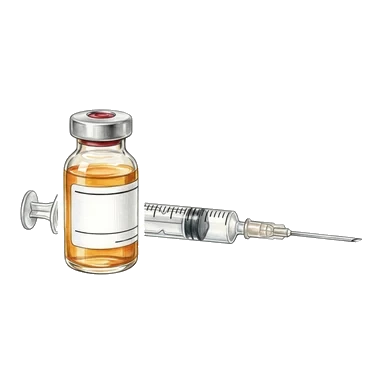 ښه خبر: ډاکټران د دې لپاره درمل (انټي وینم) یا درملنه لري.1
کله چې ډار شي څه کوي؟
When threatened, it coils tightly with its head tucked underneath, may flatten its body, or makes sudden movements as a warning. It rarely bites unless provoked, but it can be more aggressive at night if disturbed.1
 که وچیچي
- The main treatment is antivenom given in hospital. It should be given promptly, because it becomes less effective once paralysis has set in. Get medical help straight away after any suspected bite, even if there is little pain or swelling.1
- کس بېحرکته او ارام وساته، ګوتمې او ټینګ شیان لرې کړه، او ژر یې روغتون ته ورسوه: درملنه یې انټي وینم دی.
تل لومړی خپلې بیړنۍ شمېرې ته زنګ ووهه (112، 000، 911). دا د لومړنۍ مرستې عمومي لارښوونه ده، طبي مشوره نه ده. د لومړنۍ مرستې بنسټونه
 خوندي اوسه
- هېڅکله ځنګلی ژوی مه لمسوه، مه یې نیسه او مه یې ځوروه، حتی که کوچنی وي، او حتی که ویده یا مړ ښکاري.
- ورته ځای ورکړه. که له یوه سره مخ شوې، ارام اوسه، ورو ورو شاته شه او پرېږده چې خپله لار ولاړ شي.
- که یو دې وچیچي: ارام اوسه، بېحرکته پاتې شه، خپلې بیړنۍ شمېرې ته زنګ ووهه (112، 000، 911) یا ژر روغتون ته ورسېږه. په یاد ولره چې څه ډول ښکارېده، عکس مرسته کوي.
دا ستا پسې نه ګرځي. خپل زهر د خوراک نیولو یا د ځان ساتلو لپاره کاروي، او ډېر غوره ګڼي چې پټ شي. د خوندي پاتې کېدو په اړه نور
په نړۍ کې چېرته؟
څومره لوی دی؟
څومره اوږد دی؟
 د 4 کورنیو پیشو هومره اوږد چې پوزه یې د بل لکۍ ته وي
 د 10 کېلو هومره اوږد چې یو د بل پسې ایښودل شوي وي
 کولای شي 100 متره په 52 ثانیو کې ووهي (تر ټولو چټک انسان 9.6 ته اړتیا لري)
Common krait ستا په پرتله څومره لوی دی؟
یوازې ستا په براوزر کې حساب کتاب. هېڅ شی نه خوندي کېږي او نه چېرته لېږل کېږي.
څومره چټک دی؟


حقیقتونه
A bite from this snake often causes little or no pain and almost no swelling or bleeding, which can make it hard to find the bite mark.1
Its venom is one of the most potent of any Indian snake, and the estimated lethal dose for a human is 2 to 3 mg.1
Its venom contains no clotting or tissue-destroying agents, which is why there is no local damage at the bite site.1
Neostigmine, a drug that works against cobra venom, does not work against common krait venom.1
It is mostly active at night and rarely meets people during the day.1
Its stable population has been helped by its ability to adapt to farmland and villages.1
د افسانو ماتوونکی
افسانه: A bite that does not hurt is harmless.
حقیقت: The bite often causes little pain, but severe paralysis and breathing failure can follow. The lack of pain can give false reassurance.1
د زهرو د کارپوهانو لپاره
- علمي نوم
- Bungarus caeruleus
- ډله
- کوبرا، مامبا او کرایټ ماران
- کورنۍ
- Elapidae2
- ترتیب
- Squamata
- وچې
- اسیا
- کوچني ماشومان
- It lays 5 to 15 eggs in leaf litter or burrows. The female guards the eggs until they hatch after about 60 days. Hatchlings are fully independent and already carry venom.1
- انسانانو ته خطر
- 5 / 5: وژونکی3
حقیقتونه له کومه راځي
- Common krait (Wikipedia (CC BY-SA 4.0))
- Bungarus caeruleus (iNaturalist): نومونه او ډلبندي.
- Venom Wiki: د خطر کچه، عادي اندازه او د سرعت اټکل زموږ خپل دي. وګوره چې څنګه یې محاسبه کوو: موږ خطر څنګه اندازه کوو.
په دې پاڼه کې هر حقیقت یوه شمېره لري چې خپلې سرچینې ته اشاره کوي. که موږ څه غلط کړي وي، بښنه غواړو، موږ د ژویو مینهوال یو، نه علمي مجله. په [email protected] کې راته ووایه او موږ به یې سم کړو.
 لړم وږی دی! Venom Wiki د یو کس پروژه ده: وړیا، پرته له اعلانونو او تعقیبوونکو. یوه کوچنۍ ډالۍ یې په انټرنېټ کې ساتلو کې مرسته کوي.لړم ته خواړه ورکړه
 Indian cobra
 King cobra
 Caspian cobra
 Malayan krait
 Many-banded krait
 Monocled cobra
 Deathstalker
 Indian saw-scaled viper
 پف افعي
 د رسل افعي
 Asian giant hornet
 Komodo dragon