
 افریقا
 اسیا
اسیا اروپا
اروپا سویلي امریکا
 استرالیا او اوقیانوسیه
 انټارکټیکا
 ارام سمندر
 اطلس سمندر
 هند سمندر
 شمالي منجمد سمندر
 مدیترانه بحیره
 سره بحیره
 د کارائیب بحیره
 مرجاني بحیره
 د سویلي چین بحیره
 د فیلیپین بحیره
 د اندامان بحیره
 شمالي بحیره
 د تیمور او ارافورا بحیره
 د بنګال خلیج
 د کالیفورنیا خلیج
Eastern newt
 په پوستکي کې زهرخواړه: غوښهزهري دی (لمس یا خوړل یې زیان لري)، زهرجن نه دی (نه چیچي او نه نیش وهي)
The eastern newt is a small amphibian that lives in eastern North America. Its bright orange young, called red efts, walk around on land in damp forests. The adults carry a strong poison in their skin, so they are best left alone.1
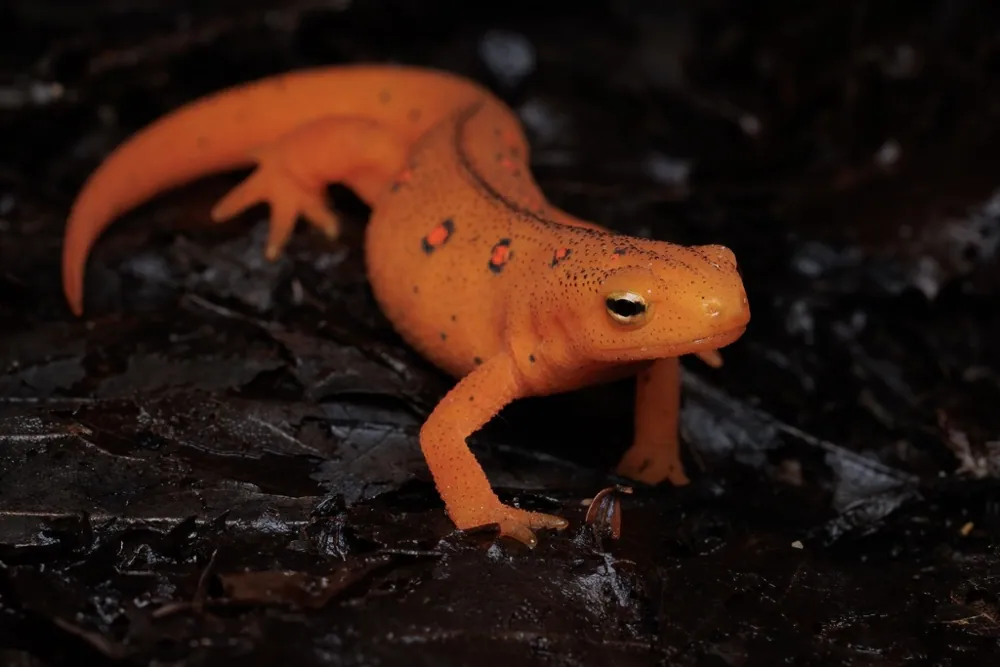
 څنګه یې وپېژنې
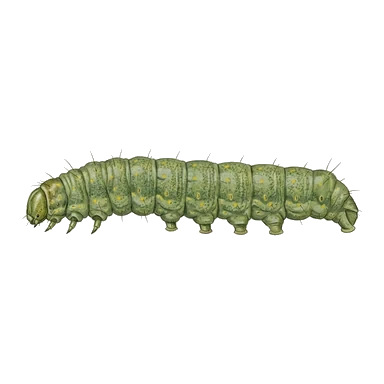
- Larvae are brown-green and have gills, and they live only in the pond where they hatched.1
- Red efts, the land-dwelling juveniles, are bright orangish-red with darker red spots outlined in black. One newt can have as many as 21 spots.1
- Adults are dull olive green on the back with a dull yellow belly, and they keep the black-rimmed red spots.1
- Adults develop a larger, blade-like tail and slimy skin.1
ډېر ځله ورسره ګډوډ کېږي: Central newts, a subspecies, are brown or green with fine black dots all over the body and may have a row of red spots on each side. Their belly is yellow or orange and noticeably lighter than the rest of the body.1
د زهرو ځواک
پوستکی یې زهري دی. لمس، څټل یا خوړل یې خطرناک دي.
زهر یې (لمس یا خوړل) څه کوي؟
The eastern newt is poisonous rather than venomous, so it does not bite or sting to deliver its toxin. Its skin contains tetrodotoxin, a neurotoxin, meaning it attacks the nerves. In predators it can cause muscle paralysis, skin irritation and even death, and it is also the strongest known emetic, meaning it causes vomiting.1
انسانانو ته څومره خطرناک دی؟
انسانانو ته خطر: دردناکډېر درد کولای شي، خو تقریباً هېڅکله جدي نه وي.Its skin toxin is harmful to predators, and the newt should not be handled with bare hands.1
کله چې ډار شي څه کوي؟
Its bright red colouring warns predators, and its skin releases toxins. Its ventral surface has poison glands, and it can swim quickly away from aquatic predators.1
 که چا لمس کړی یا خوړلی وي
- که چا لمس کړی وي: لاسونه ښه ومینځه او سترګې یا خوله مه لمسوه. که ماشوم یا کورني ژوي څټلی یا خوړلی وي: د زهرو مرکز یا بیړنۍ شمېرې ته زنګ ووهه.
تل لومړی خپلې بیړنۍ شمېرې ته زنګ ووهه (112، 000، 911). دا د لومړنۍ مرستې عمومي لارښوونه ده، طبي مشوره نه ده. د لومړنۍ مرستې بنسټونه
 خوندي اوسه
- هېڅکله ځنګلی ژوی مه لمسوه، مه یې نیسه او مه یې ځوروه، حتی که کوچنی وي، او حتی که ویده یا مړ ښکاري.
- ورته ځای ورکړه. که له یوه سره مخ شوې، ارام اوسه، ورو ورو شاته شه او پرېږده چې خپله لار ولاړ شي.
- که دې لمس کړی یا خوړلی وي: سترګې یا خوله مه موږه، لاسونه ومینځه او طبي مرسته ترلاسه کړه.
دا ستا پسې نه ګرځي. زهر یې یوازې د دې لپاره دي چې هېڅ څوک یې ونه خوري. د خوندي پاتې کېدو په اړه نور
په نړۍ کې چېرته؟
څومره لوی دی؟
څومره اوږد دی؟
 د 4 لوبو خښتو هومره اوږد چې په یوه قطار کې وي
Eastern newt ستا په پرتله څومره لوی دی؟
یوازې ستا په براوزر کې حساب کتاب. هېڅ شی نه خوندي کېږي او نه چېرته لېږل کېږي.
څومره چټک دی؟


حقیقتونه
Newt larvae increase their toxin production when predators, such as dragonflies, are nearby.1
Eastern newts can regenerate lost limbs.1
A Belted Kingfisher was observed beating an eastern newt on a nest box 15 times before eating it.1
The eastern newt's bright red juvenile stage is called a red eft, and it may travel far from its pond.1
Only about 2% of larvae survive to reach the red eft stage.1
Some larvae have been found in the pitchers of the carnivorous plant Sarracenia purpurea.1
د زهرو د کارپوهانو لپاره
- علمي نوم
- Notophthalmus viridescens
- ډله
- زهري چونګښې، ګوګړې چونګښې او نیوټونه
- کورنۍ
- Salamandridae2
- ترتیب
- Caudata
- وچې
- شمالي امریکا
- کوچني ماشومان
- The female lays 200 to 400 eggs in one batch, attaching them in the water to submerged vegetation or other objects. The eggs take 3 to 8 weeks to hatch.1
- انسانانو ته خطر
- 2 / 5: دردناک3
حقیقتونه له کومه راځي
- Eastern newt (Wikipedia (CC BY-SA 4.0))
- Notophthalmus viridescens (iNaturalist): نومونه او ډلبندي.
- Venom Wiki: د خطر کچه، عادي اندازه او د سرعت اټکل زموږ خپل دي. وګوره چې څنګه یې محاسبه کوو: موږ خطر څنګه اندازه کوو.
په دې پاڼه کې هر حقیقت یوه شمېره لري چې خپلې سرچینې ته اشاره کوي. که موږ څه غلط کړي وي، بښنه غواړو، موږ د ژویو مینهوال یو، نه علمي مجله. په [email protected] کې راته ووایه او موږ به یې سم کړو.
 لړم وږی دی! Venom Wiki د یو کس پروژه ده: وړیا، پرته له اعلانونو او تعقیبوونکو. یوه کوچنۍ ډالۍ یې په انټرنېټ کې ساتلو کې مرسته کوي.لړم ته خواړه ورکړه
له همدې ډلې نور: زهري چونګښې، ګوګړې چونګښې او نیوټونه
 Cane toadزهري چونګښې، ګوګړې چونګښې او نیوټونهډاکټر ته اړتیا لريمه یې لمسوه
 Strawberry poison-dart frogزهري چونګښې، ګوګړې چونګښې او نیوټونهیوازې درد کويمه یې لمسوه
 California newtزهري چونګښې، ګوګړې چونګښې او نیوټونهوژلای شيمه یې لمسوه
 Rough-skinned newtزهري چونګښې، ګوګړې چونګښې او نیوټونهوژلای شيمه یې لمسوه
 Colorado River toadزهري چونګښې، ګوګړې چونګښې او نیوټونهډاکټر ته اړتیا لريمه یې لمسوه
 Panamanian golden frogزهري چونګښې، ګوګړې چونګښې او نیوټونهډاکټر ته اړتیا لريمه یې لمسوه
 Terciopelo
 Eastern coral snake
 Eastern diamondback rattlesnake
 Eyelash viper
 Timber rattlesnake
 Western diamondback rattlesnake