
 África
 Ásia
Ásia Europa
 América do Sul
 Austrália e Oceania
 Antártida
 Oceano Pacífico
 Oceano Atlântico
 Oceano Índico
 Oceano Ártico
 Mar Mediterrâneo
 Mar Vermelho
 Mar do Caribe
 Mar de Coral
 Mar do Sul da China
 Mar das Filipinas
 Mar de Andamão
 Mar do Norte
 Mar de Timor e de Arafura
 Golfo de Bengala
 Golfo da Califórnia
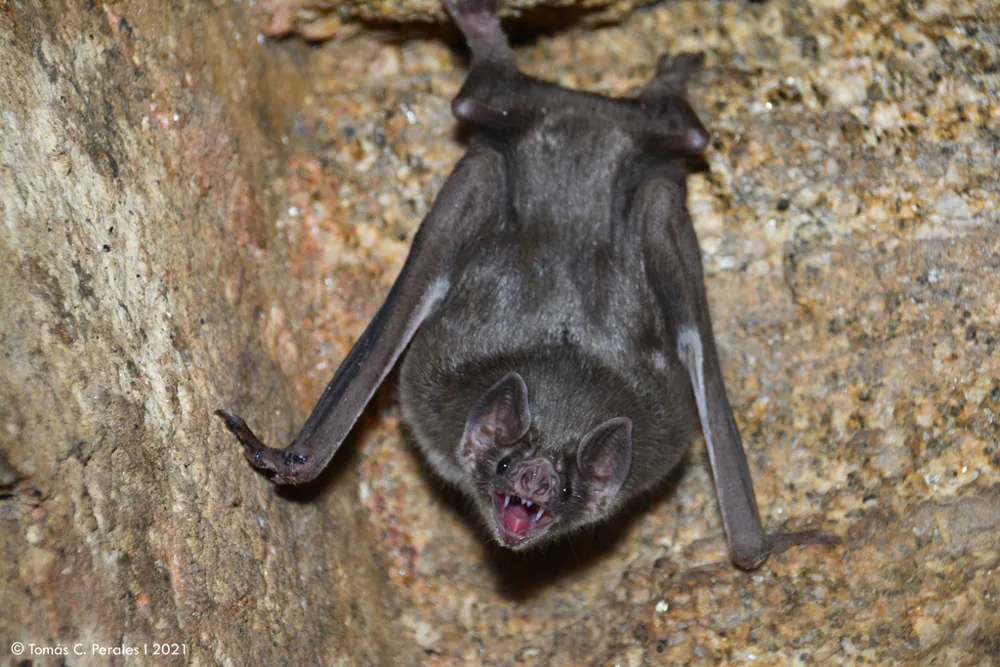
Common vampire bat
 Mordidas
The common vampire bat is a small bat that feeds on the blood of mammals, mostly farm animals such as cattle and horses. It lives in the Americas, from Mexico to Chile and Argentina, and it is one of only three vampire bat species in the world. It matters because it can carry rabies and is considered a pest by farmers.1

 Como reconhecer
- Short-haired fur, silver-grey on the underside and darker on the back1
- Flat, leaf-shaped nose and a deeply grooved lower lip1
- A well-developed, clawed thumb on each wing, longer than in its relatives1
- Average body length of about 9 cm, with an 18 cm wingspan1
- Can run and leap on the ground, using its wings to push forward1
Muitas vezes confundido com: The hairy-legged vampire bat and the white-winged vampire bat look very similar. The common vampire bat can be told apart by its longer thumb, and it feeds on mammal blood far more often than the other two, which mostly feed on birds.1
Poder do veneno
O veneno sai pelas presas ou pelos dentes quando ele morde.
Qual é o perigo para as pessoas?
Perigo para as pessoas: DolorosoPode doer bastante, mas quase nunca é grave.The bat is a carrier of rabies, and the danger is mostly to livestock rather than to people. Any person who wakes to find a vampire bat in their sleeping quarters should seek medical attention, and young children may not fully wake up during a bite.1
 Se ele morder
- Anyone who wakes to find a vampire bat in their sleeping area should get medical attention. Bats should be avoided and not handled, and they should not be kept in living spaces.1
- Lave bem o ferimento e procure ajuda médica.
Sempre ligue primeiro para o número de emergência (112, 000, 911). Estas são orientações gerais de primeiros socorros, não um conselho médico. Primeiros socorros básicos
 Fique em segurança
- Nunca toque, pegue ou provoque um animal selvagem, mesmo que seja pequeno, e mesmo que pareça estar dormindo ou morto.
- Dê espaço a ele. Se encontrar um, fique calmo, dê alguns passos para trás devagar e deixe que ele siga o caminho dele.
- Se um deles morder você: fique calmo, fique parado, ligue para o número de emergência (112, 000, 911) ou vá rápido para um hospital. Lembre como ele era, uma foto ajuda.
Ele não está atrás de você. Usa o veneno para pegar comida ou se proteger, e prefere muito mais se esconder. Mais sobre como ficar em segurança
Em que lugar do mundo?
Qual é o tamanho dele?
Qual é o comprimento dele?
Quanto ele pesa?

 tem o comprimento de 3 blocos de montar em fila
 poderia atravessar voando um campo de futebol inteiro em 19 segundos
Qual é o tamanho de Common vampire bat comparado com VOCÊ?
Só contas no seu navegador. Nada é salvo nem enviado para lugar nenhum.
Quão rápido ele é?


Informações
Its saliva contains an anticoagulant called Draculin, named after Count Dracula, which keeps the blood from clotting while it feeds.1
A genetically engineered drug based on the anticoagulant in its saliva, called desmoteplase, has been shown to increase blood flow in stroke patients.1
Heat sensors in its nose help it find blood vessels close to the surface of the skin.1
It has the fewest teeth of any bat, and its upper incisors have no enamel, which keeps them sharp.1
Vampire bats share food with each other, and a bat that is well fed will regurgitate blood to a hungry roost-mate, mostly to its own young.1
It hunts at night and can travel 5 to 8 km from its roost to find food.1
Para especialistas em veneno
- Nome científico
- Desmodus rotundus
- Grupo
- Mamíferos peçonhentos
- Família
- Phyllostomidae2
- Ordem
- Chiroptera
- Continentes
- América do Norte, América do Sul
- Filhotes
- Females give birth to one offspring per pregnancy after a gestation period of about seven months.1
- Como ele está na natureza
- Least Concern1
- Perigo para as pessoas
- 2 / 5: Doloroso3
De onde vêm as informações
- Common vampire bat (Wikipedia (CC BY-SA 4.0))
- Desmodus rotundus (iNaturalist): nomes e classificação.
- Venom Wiki: o nível de perigo, o tamanho típico e o palpite de velocidade são nossos. Veja como calculamos: Como avaliamos o perigo.
Cada informação desta página tem um número que leva à fonte. Se a gente errou alguma coisa, desculpe, somos fãs de animais, não uma revista científica. Avise a gente em [email protected] e nós corrigimos.
 O escorpião está com fome! O Venom Wiki é um projeto de uma pessoa só: grátis, sem anúncios e sem rastreadores. Uma pequena contribuição ajuda a manter o site no ar.Alimente o escorpião
 Cuban solenodon
 Hispaniolan solenodon
 Northern short-tailed shrew
 Hairy-legged vampire bat
 White-winged vampire bat
 Platypus
 Terciopelo
 Eastern coral snake
 Eastern diamondback rattlesnake
 Eyelash viper
 Timber rattlesnake
 Western diamondback rattlesnake