
 África
 Ásia
Ásia Europa
 América do Sul
 Austrália e Oceania
 Antártida
 Oceano Pacífico
 Oceano Atlântico
 Oceano Índico
 Oceano Ártico
 Mar Mediterrâneo
 Mar Vermelho
 Mar do Caribe
 Mar de Coral
 Mar do Sul da China
 Mar das Filipinas
 Mar de Andamão
 Mar do Norte
 Mar de Timor e de Arafura
 Golfo de Bengala
 Golfo da Califórnia
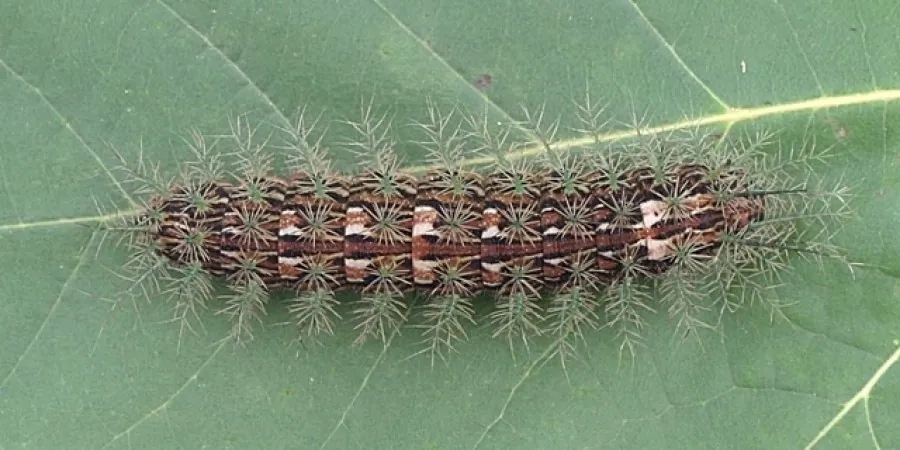
Giant silkworm moth caterpillar
 Pelos que queimam
This is the caterpillar of a large moth from South America, the giant silk moth. The caterpillar is famous for its venom, which is one of the most dangerous of any caterpillar. It lives in southern Brazil and nearby countries, and it has caused many deaths.1
 Como reconhecer
Poder do veneno
Pelinhos ou cerdas minúsculos se quebram na pele e queimam.
O que o veneno dele faz?
The venom is held in sacs at the base of each spine and flows through the hollow spines into the wound. It causes disseminated intravascular coagulation, which stops the blood from clotting and leads to bleeding into the tissues and internal organs. After an initial phase of headache, fever, vomiting and malaise, a severe bleeding disorder can develop after about 24 hours.1
Qual é o perigo para as pessoas?
Perigo para as pessoas: Muito perigosoPode matar uma pessoa que não recebe tratamento.The caterpillar has been responsible for at least 500 deaths. In Brazil, 42,264 accidents were recorded between 2007 and 2017, of which 248 were severe and five were fatal. The reported death rate is 2.5%. Most victims were male (63%), and 45% were between 0 and 21 years old.1
 Boa notícia: os médicos têm um remédio (soro antiveneno) ou um tratamento para isso.1
O que ele faz quando está com medo?
Its body is covered in hairs and spines that break off easily and inject venom into anything that touches them.1
 Se você tocar nos pelos dele
- A study by Dr Robert Norris states that stings and abrasions should be treated with antifibrinolytics. If blood products are needed, they must be given with care so they do not worsen the bleeding. An antiserum made by the Butantan Institute in São Paulo reverses the clotting problems, and patients treated with it recover quickly.1
- Para pelos de lagarta que queimam: tire os pelos com fita adesiva e depois lave a pele. Não esfregue.
- Para mordidas: lave e esfrie. Procure ajuda médica se a pessoa se sentir mal ou sangrar com facilidade.
Sempre ligue primeiro para o número de emergência (112, 000, 911). Estas são orientações gerais de primeiros socorros, não um conselho médico. Primeiros socorros básicos
 Fique em segurança
- Nunca toque, pegue ou provoque um animal selvagem, mesmo que seja pequeno, e mesmo que pareça estar dormindo ou morto.
- Dê espaço a ele. Se encontrar um, fique calmo, dê alguns passos para trás devagar e deixe que ele siga o caminho dele.
- Se você tocar nos pelos dele: fique calmo, fique parado, ligue para o número de emergência (112, 000, 911) ou vá rápido para um hospital. Lembre como ele era, uma foto ajuda.
Ele não está atrás de você. Usa o veneno para pegar comida ou se proteger, e prefere muito mais se esconder. Mais sobre como ficar em segurança
Em que lugar do mundo?
Qual é o tamanho dele?
Qual é o comprimento dele?
 tem o comprimento de 2 blocos de montar em fila
 mais lento que um caracol de jardim
Qual é o tamanho de Giant silkworm moth caterpillar comparado com VOCÊ?
Só contas no seu navegador. Nada é salvo nem enviado para lugar nenhum.
Quão rápido ele é?

Informações
Guinness World Records lists it as the most venomous caterpillar in the world.1
Before studies of Lonomia caterpillars, it was not known that caterpillars could produce enough toxin to kill a person.1
Its venom contains anti-clotting agents that have been studied for possible medical uses, including a component called Lopap.1
The first known epidemic happened in an farming community in Rio Grande do Sul, where victims had only handled leafy branches before their symptoms began.1
Only two of the 26 Lonomia species found in the Americas, L. obliqua and L. achelous, have caused severe reactions.1
Caça-mitos
Mito: Caterpillars cannot produce toxins strong enough to kill a person.
Verdade: This caterpillar's venom can kill. At least 500 deaths have been linked to it.1
De onde vêm as informações
- Lonomia obliqua (Wikipedia (CC BY-SA 4.0))
- Lonomia obliqua (iNaturalist): nomes e classificação.
- Venom Wiki: o nível de perigo, o tamanho típico e o palpite de velocidade são nossos. Veja como calculamos: Como avaliamos o perigo.
Cada informação desta página tem um número que leva à fonte. Se a gente errou alguma coisa, desculpe, somos fãs de animais, não uma revista científica. Avise a gente em [email protected] e nós corrigimos.
 O escorpião está com fome! O Venom Wiki é um projeto de uma pessoa só: grátis, sem anúncios e sem rastreadores. Uma pequena contribuição ajuda a manter o site no ar.Alimente o escorpião
Mais do mesmo grupo: Lagartas e insetos
 Vinchuca kissing bugLagartas e insetosPrecisa de médico
 Venezuelan fire caterpillarLagartas e insetosPode matarNão toque
 Pararama caterpillarLagartas e insetosPrecisa de médicoNão toque
 Rhodnius kissing bugLagartas e insetosPrecisa de médico
 Yellowtail moth of the mangrovesLagartas e insetosSó dóiNão toque
 Milkweed assassin bugLagartas e insetosInofensivo
 Rã-dourada-venenosa
 Terciopelo
 Brazilian wandering spider
 Eyelash viper
 Golden lancehead
 South American bushmaster