
 África
 Ásia
Ásia Europa
 América do Sul
 Austrália e Oceania
 Antártida
 Oceano Pacífico
 Oceano Atlântico
 Oceano Índico
 Oceano Ártico
 Mar Mediterrâneo
 Mar Vermelho
 Mar do Caribe
 Mar de Coral
 Mar do Sul da China
 Mar das Filipinas
 Mar de Andamão
 Mar do Norte
 Mar de Timor e de Arafura
 Golfo de Bengala
 Golfo da Califórnia
Nayarit scorpion
 Picadas
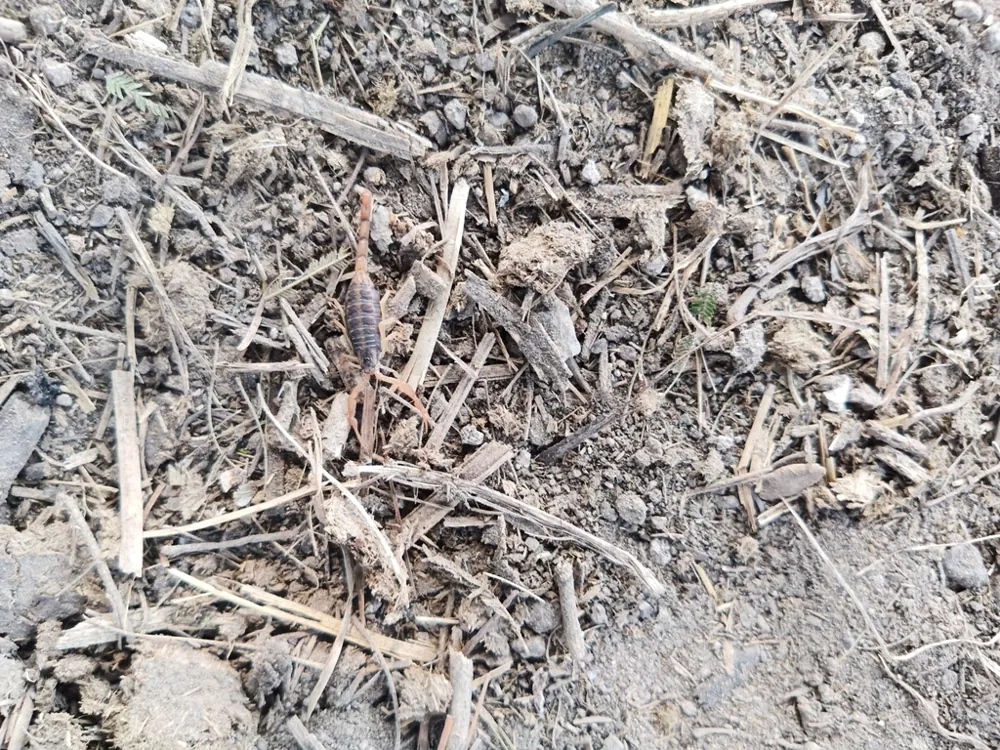
The Nayarit scorpion is a small, dark scorpion from Mexico. It hides under debris and in loose tree bark during the night. It is one of the most venomous scorpions in Mexico, so it is important to know what it looks like and to avoid being stung.1


 Como reconhecer
- Adults grow to between 3.5 and 5 cm long.1
- The body is dark, usually black or brown.1
- The legs and pedipalps (the front, claw-like limbs) are generally lighter in colour.1
- It has no fixed colour pattern, and some individuals have other colours.1
- It is mostly active at night and hides in litter, debris, or loose bark of trees and bushes during the day.1
Poder do veneno
O veneno sai por um ferrão.
O que o veneno dele faz?
Its venom contains highly lethal neurotoxins for mammals, which are toxins that attack the nervous system. The venom attacks sodium and potassium channels, which are the gates that control electrical signals in nerves and muscles. In severe cases, this can stop the respiratory system and the heart from working. Two peptide toxins (small protein-based toxins) have been identified in the venom: noxiustoxin and Cn2 toxin.1
Qual é o perigo para as pessoas?
Perigo para as pessoas: Muito perigosoPode matar uma pessoa que não recebe tratamento.It is one of the most venomous scorpions in Mexico and one of the most dangerous in Latin America. Its venom is highly lethal to mammals. Its median lethal dose is 5 micrograms for a 20-gram mouse, which means the amount of venom that kills half of the mice tested.1
 Se ele picar
- Esfrie a picada com uma bolsa de gelo e mantenha a pessoa parada. Procure ajuda médica rápido, principalmente para crianças: alguns escorpiões são mortais para crianças.
Sempre ligue primeiro para o número de emergência (112, 000, 911). Estas são orientações gerais de primeiros socorros, não um conselho médico. Primeiros socorros básicos
 Fique em segurança
- Nunca toque, pegue ou provoque um animal selvagem, mesmo que seja pequeno, e mesmo que pareça estar dormindo ou morto.
- Dê espaço a ele. Se encontrar um, fique calmo, dê alguns passos para trás devagar e deixe que ele siga o caminho dele.
- Se um deles picar você: fique calmo, fique parado, ligue para o número de emergência (112, 000, 911) ou vá rápido para um hospital. Lembre como ele era, uma foto ajuda.
Ele não está atrás de você. Usa o veneno para pegar comida ou se proteger, e prefere muito mais se esconder. Mais sobre como ficar em segurança
Em que lugar do mundo?
Qual é o tamanho dele?
Qual é o comprimento dele?
 menor que o seu dedo mindinho
 poderia percorrer 100 metros em 300 segundos (o humano mais rápido precisa de 9,6)
Qual é o tamanho de Nayarit scorpion comparado com VOCÊ?
Só contas no seu navegador. Nada é salvo nem enviado para lugar nenhum.
Quão rápido ele é?


Informações
Its venom can stop the heart and breathing in mammals, which is why its sting is treated so seriously.1
It is one of the most venomous scorpions in Mexico and one of the most dangerous in Latin America.1
Young scorpions become independent at two or three weeks old, and the mother may eat them.1
During mating, which lasts about 10 minutes, the male holds the female with his pedipalps to avoid being bitten by her.1
It is native to Mexico, but it has also been found in Chile, and it is not known how it got there.1
Para especialistas em veneno
- Nome científico
- Centruroides noxius
- Grupo
- Escorpiões
- Família
- Buthidae2
- Ordem
- Scorpiones
- Continentes
- América do Norte
- Filhotes
- It gives birth to live young (ovoviviparous, meaning eggs hatch inside the mother). A female gives birth to between 30 and 60 pups after a gestation period of 4 to 5 months.1
- Perigo para as pessoas
- 4 / 5: Muito perigoso3
De onde vêm as informações
- Centruroides noxius (Wikipedia (CC BY-SA 4.0))
- Centruroides noxius (iNaturalist): nomes e classificação.
- Venom Wiki: o nível de perigo, o tamanho típico e o palpite de velocidade são nossos. Veja como calculamos: Como avaliamos o perigo.
Cada informação desta página tem um número que leva à fonte. Se a gente errou alguma coisa, desculpe, somos fãs de animais, não uma revista científica. Avise a gente em [email protected] e nós corrigimos.
 O escorpião está com fome! O Venom Wiki é um projeto de uma pessoa só: grátis, sem anúncios e sem rastreadores. Uma pequena contribuição ajuda a manter o site no ar.Alimente o escorpião
 Arizona bark scorpion
 Cuban blue scorpion
 Striped bark scorpion
 Giant desert hairy scorpion
 Colima scorpion
 Durango scorpion
 Terciopelo
 Eastern coral snake
 Eastern diamondback rattlesnake
 Eyelash viper
 Timber rattlesnake
 Western diamondback rattlesnake