
 África
 Ásia
Ásia Europa
 América do Sul
 Austrália e Oceânia
 Antártida
 Oceano Pacífico
 Oceano Atlântico
 Oceano Índico
 Oceano Ártico
 Mar Mediterrâneo
 Mar Vermelho
 Mar das Caraíbas
 Mar de Coral
 Mar da China Meridional
 Mar das Filipinas
 Mar de Andamão
 Mar do Norte
 Mar de Timor e de Arafura
 Golfo de Bengala
 Golfo da Califórnia
Cane toad
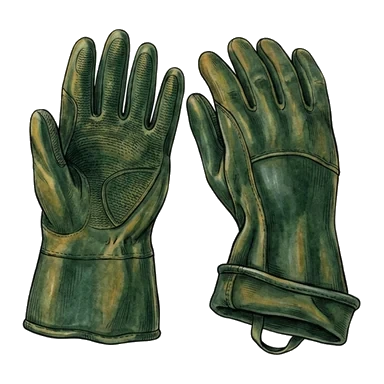 Veneno na pele
The cane toad is a large toad that is very poisonous to many animals. It is native to South and mainland Central America, but people have moved it to islands in Oceania and the Caribbean and to northern Australia. It matters because it spreads quickly and harms native wildlife and pets.1
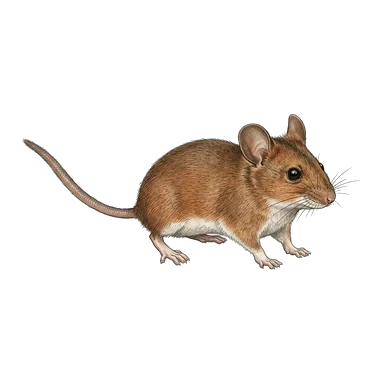
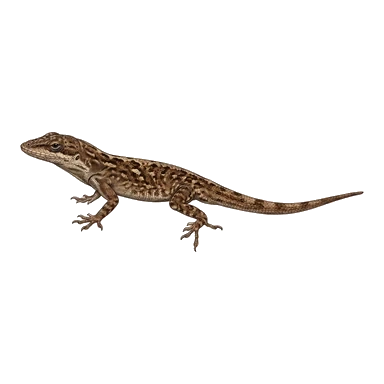
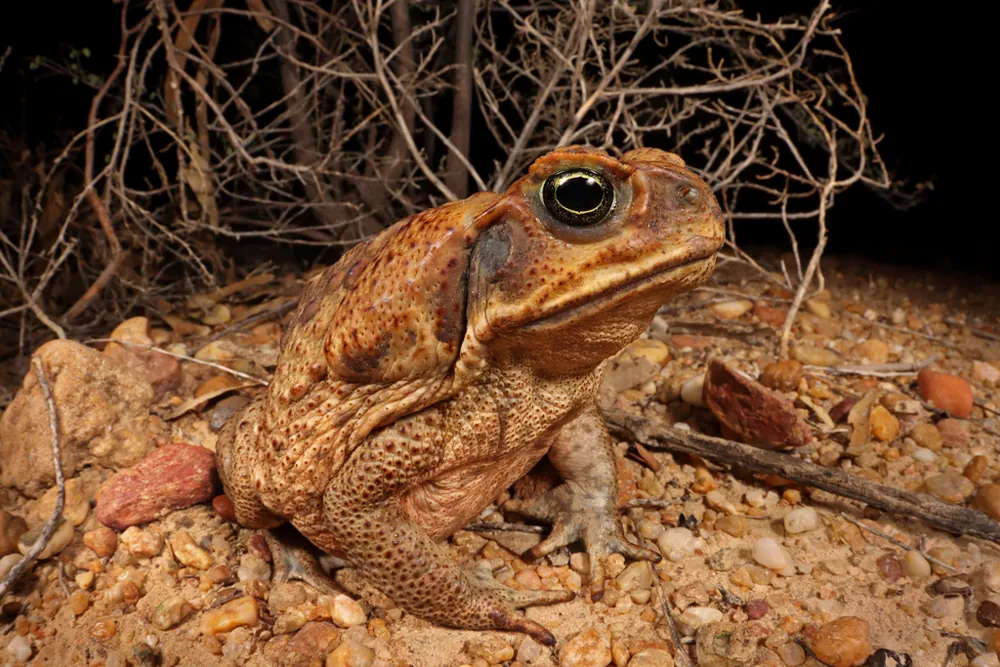
 Como reconhecê-lo
- Very large, with adults usually 10 to 15 cm long1
- Dry, warty skin with distinct ridges above the eyes that run down the snout1
- A large parotoid gland (a swollen gland) behind each eye1
- Grey, yellowish, red-brown or olive-brown skin, often with patterns1
- Horizontal pupils and golden irises1
Muitas vezes confundido com: In Australia, adults can be confused with large native frogs, but these lack the large parotoid glands and the ridge between the nostril and eye. The giant burrowing frog has vertical pupils and silver-grey irises, while the cane toad has horizontal pupils and golden irises. In the United States, the southern toad has two bulbs in front of the parotoid glands.1
Poder tóxico
A pele é venenosa. É perigoso tocar-lhe, lambê-lo ou comê-lo.
O que faz a sua toxina?
The toad's glands secrete a milky-white fluid called bufotoxin when it is threatened. Components of bufotoxin are toxic to many animals. In dogs, signs of poisoning include excessive drooling, extremely red gums, head-shaking, crying and loss of coordination.1
Quão perigoso é para as pessoas?
Perigo para as pessoas: GraveSe alguém lhe tocar ou o comer, é preciso ir ao médico. As mortes são muito raras.The toxic skin can kill many wild and domestic animals. Dogs are especially at risk from licking or biting the toad. Human deaths have also been recorded after people ate cane toads.1
O que faz quando tem medo?
When threatened, it releases bufotoxin from its glands.1
 Se alguém lhe tocou ou o comeu
- Se alguém lhe tocou: lava bem as mãos e não toques nos olhos nem na boca. Se uma criança ou um animal o lambeu ou comeu: liga para o centro antivenenos ou para o número de emergência.
Liga sempre primeiro para o teu número de emergência (112, 000, 911). Isto são orientações gerais de primeiros socorros, não conselho médico. Primeiros socorros básicos
 Fica em segurança
- Nunca toques, apanhes ou provoques um animal selvagem, mesmo pequeno, e mesmo que pareça a dormir ou morto.
- Dá-lhe espaço. Se encontrares um, mantém a calma, recua devagar e deixa-o seguir o seu caminho.
- Se lhe tocaste ou o comeste: não esfregues os olhos nem a boca, lava as mãos e procura ajuda médica.
Não anda atrás de ti. O veneno só existe para que nada o coma. Mais sobre como estar seguro
Que tamanho tem?
Quanto mede?
 tão comprido como 8 peças de construção em fila
 conseguia percorrer 100 metros em 180 segundos (o humano mais rápido precisa de 9,6)
Que tamanho tem Cane toad comparado contigo?
São só contas no teu navegador. Nada é guardado nem enviado para lado nenhum.
Quão rápido é?


Factos
Young toads lose the toxicity they had as eggs and tadpoles, and they only develop their poison glands later. Only an estimated 0.5% of cane toads reach adulthood.1
In Australia, tadpoles have evolved to be more likely to eat their siblings than tadpoles in South America.1
A female can lay thousands of eggs in one spawn, in strings up to 20 metres long.1
In the wild, cane toads can live 10 to 15 years, and one captive toad was reported to have lived 35 years.1
The cane toad is considered the largest species in the Bufonidae, the toad family.1
Cane toads eat both living and dead matter, which is unusual among frogs and toads.1
Caça-mitos
Mito: The name 'marine toad' suggests that cane toads live in the sea.
Verdade: Cane toads do not live in the sea. The name came from a mistaken belief by an early naturalist.1
Para especialistas em veneno
- Nome científico
- Rhinella marina
- Grupo
- Rãs venenosas, sapos e tritões
- Família
- Bufonidae2
- Ordem
- Anura
- Continentes
- América do Norte, América do Sul
- Crias
- A female lays 8,000 to 25,000 eggs at once, in long jelly strings that can stretch up to 20 metres.1
- Esperança de vida
- cerca de 15 anos1
- Perigo para as pessoas
- 3 / 5: Grave3
De onde vêm os factos
- Cane toad (Wikipedia (CC BY-SA 4.0))
- Rhinella marina (iNaturalist): nomes e classificação.
- Venom Wiki: o nível de perigo, o tamanho típico e a velocidade estimada são nossos. Vê como os calculamos: Como avaliamos o perigo.
Cada facto desta página tem um número que aponta para a sua fonte. Se nos enganámos em alguma coisa, desculpa, somos fãs de animais, não uma revista científica. Diz-nos em [email protected] e nós corrigimos.
 O escorpião tem fome! A Venom Wiki é um projeto de uma só pessoa: gratuito, sem anúncios e sem rastreadores. Uma pequena gorjeta ajuda a mantê-la online.Alimenta o escorpião
Mais do mesmo grupo: Rãs venenosas, sapos e tritões
 Golden poison frogRãs venenosas, sapos e tritõesMortalNão tocar
 Dyeing poison dart frogRãs venenosas, sapos e tritõesSó dóiNão tocar
 Strawberry poison-dart frogRãs venenosas, sapos e tritõesSó dóiNão tocar
 Black-legged poison frogRãs venenosas, sapos e tritõesPode matarNão tocar
 California newtRãs venenosas, sapos e tritõesPode matarNão tocar
 Rough-skinned newtRãs venenosas, sapos e tritõesPode matarNão tocar
 Terciopelo
 Eastern coral snake
 Eastern diamondback rattlesnake
 Eyelash viper
 Timber rattlesnake
 Western diamondback rattlesnake