
 අප්රිකාව
 ආසියාව
 යුරෝපය
 දකුණු ඇමෙරිකාව
 ඕස්ට්රේලියාව සහ ඕෂනියාව
 ඇන්ටාක්ටිකාව
 පැසිෆික් සාගරය
 අත්ලාන්තික් සාගරය
 ඉන්දියන් සාගරය
 ආක්ටික් සාගරය
 මධ්යධරණී මුහුද
 රතු මුහුද
 කැරිබියන් මුහුද
 කොරල් මුහුද
 දකුණු චීන මුහුද
 පිලිපීන මුහුද
 අන්දමන් මුහුද
 උතුරු මුහුද
 ටිමෝර් සහ අරෆුරා මුහුද
 බෙංගාල බොක්ක
 කැලිෆෝනියා බොක්ක
Hobo spider
 දෂ්ට කිරීම්
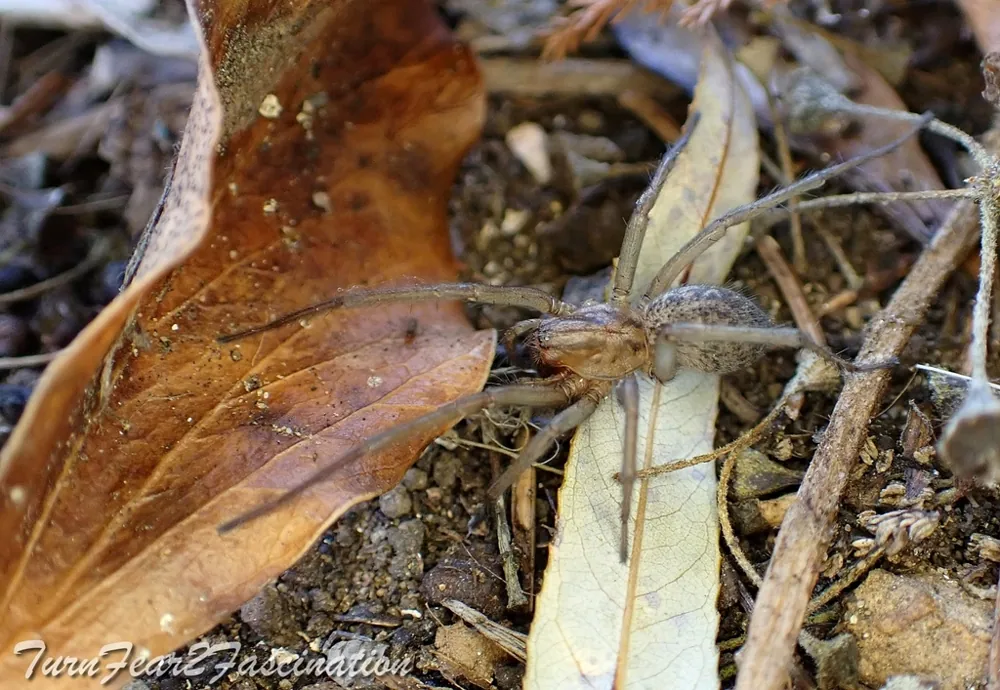
The hobo spider is a brown spider that lives in fields, woods and under rocks in Europe, Central Asia and western North America. It builds a funnel-shaped sheet of silk and waits at the narrow end for insects to crawl on. It sometimes builds webs in or around homes, so people often worry about its bite.1

 ඒක හඳුනාගන්නේ කොහොමද
- Body length is 7 to 14 mm, and the spider is brownish in colour.1
- The abdomen has V-shaped chevron patterns down the middle, pointing towards the head.1
- There is a light stripe running down the middle of the underside (sternum).1
- There are no coloured bands where the leg joints meet.1
- The top of the front body section (cephalothorax) has indistinct or diffused patterns, not two distinct dark stripes.1
බොහෝ විට පටලවා ගන්නේ: Other Eratigena species have three or four pairs of light spots on the sides of the sternum rather than a central stripe, though these spots can be very faint. Spiders in the genera Agelenopsis and Hololena, and possibly some wolf spiders, have two distinct dark stripes on the top of the front body section. Positive identification of hobo spiders usually requires microscopic examination of their sex organs by an expert.1
විෂ බලය
දෂ්ට කරනකොට විෂ එළියට එන්නේ ඒකේ දළ හෝ දත් හරහා.
ඒකේ විදින විෂ කරන්නේ මොකක්ද?
There is no clear evidence that the hobo spider has venom that is dangerous to humans. Earlier case reports linked its bites to isolated cases of necrosis, which is the death of skin tissue, but this is no longer supported.1
ඒක මිනිසුන්ට කොච්චර භයානකද?
මිනිසුන්ට ඇති අනතුර: සුළුමී මැස්සෙක් ඇනීමක් තරම් හෝ ඊට අඩුයි. මිනිසුන්ට හානියක් නැති තරම්.There is little evidence that the hobo spider is dangerously venomous. The US CDC no longer lists it among venomous species, as of 2017. In Canada there is no evidence that its bites cause skin necrosis.1
 දෂ්ට කළොත්
- දෂ්ට කළ තැන හෝදලා, වේදනාවට අයිස් පැකට්ටුවක් තියන්න. වේදනාව දැඩි නම්, පැතිරෙනවා නම් හෝ පුද්ගලයාට අසනීප ගතියක් දැනෙනවා නම් වෛද්ය උදව් ගන්න.
හැම විටම මුලින්ම ඔයාගේ හදිසි අංකයට කතා කරන්න (112, 000, 911). මෙය සාමාන්ය ප්රථමාධාර මඟපෙන්වීමක් මිස වෛද්ය උපදෙස් නොවේ. මූලික ප්රථමාධාර
 ආරක්ෂිතව ඉන්න
- වන සතෙක්ව කවදාවත් ස්පර්ශ කරන්න, අල්ලන්න හෝ කරදර කරන්න එපා, ඒක පුංචි වුණත්, ඒක නිදාගෙන හෝ මැරිලා වගේ පෙනුනත්.
- ඒකට ඉඩ දෙන්න. එකක් හමු වුණොත්, සන්සුන්ව ඉඳලා, හෙමින් පස්සට යන්න, ඒකට තමන්ගේ පාරේ යන්න ඉඩ දෙන්න.
- එකක් ඔයාට දෂ්ට කළොත්: සන්සුන්ව ඉන්න, නොසෙල්වී ඉන්න, ඔයාගේ හදිසි අංකයට (112, 000, 911) කතා කරන්න, නැත්නම් ඉක්මනින් රෝහලකට යන්න. ඒක පෙනුනේ කොහොමද කියලා මතක තියාගන්න, ෆොටෝ එකක් උදව් වෙනවා.
ඒක ඔයාව අල්ලන්න එන්නේ නැහැ. ඒක විෂ පාවිච්චි කරන්නේ කෑම අල්ලගන්න හෝ තමන්ව ආරක්ෂා කරගන්න, ඒකට හැංගෙන්න තමයි වඩා කැමති. ආරක්ෂිතව ඉන්න ගැන තව
ඒක කොච්චර ලොකුද?
ඒක කොච්චර දිගද?
 ඔයාගේ නියපොත්ත උඩ ඉඳගන්න පුළුවන් තරම් පුංචියි
 මීටර් 100ක් තත්පර 360කින් යන්න පුළුවන් (වේගවත්ම මිනිසාට තත්පර 9.6ක් ඕන)
Hobo spider ඔයාට සාපේක්ෂව කොච්චර ලොකුද?
ඔයාගේ බ්රවුසරයේ ගණිතය විතරයි. කිසිම දෙයක් සේව් වෙන්නේවත් කොහේවත් යවන්නේවත් නැහැ.
ඒක කොච්චර වේගවත්ද?


කරුණු
මිථ්යා බිඳින්නා
මිථ්යාව: Hobo spiders have dangerous venom that causes skin necrosis.
ඇත්ත: There is little clear evidence that the hobo spider's venom is dangerous to humans. Some bites reported as hobo spider bites may have been from the desert grass spider.1
කරුණු එන්නේ කොහෙන්ද
- Hobo spider (Wikipedia (CC BY-SA 4.0))
- Eratigena agrestis (iNaturalist): නම් සහ වර්ගීකරණය.
- Venom Wiki: අනතුරු මට්ටම, සාමාන්ය ප්රමාණය සහ වේග අනුමානය අපේම ඒවා. අපි ඒවා ගණනය කරන හැටි බලන්න: අපි අනතුර ශ්රේණිගත කරන හැටි.
මේ පිටුවේ හැම කරුණකටම ඒකේ මූලාශ්රයට යොමු කරන අංකයක් තියෙනවා. අපි මොනවහරි වැරදියට කිව්වා නම්, සමාවෙන්න, අපි සත්ව ලෝලීන් මිසක් විද්යා සඟරාවක් නෙවෙයි. [email protected] වෙත අපිට කියන්න, අපි ඒක හදන්නම්.
 ගෝනුස්සාට බඩගිනියි! Venom Wiki එක පුද්ගලයෙකුගේ ව්යාපෘතියක්: නොමිලේ, දැන්වීම් නැහැ, ට්රැකර් නැහැ. පුංචි ටිප් එකක් ඒක ඔන්ලයින් තියන්න උදව් වෙනවා.ගෝනුස්සාට කන්න දෙන්න
එම කාණ්ඩයෙන් තව: මකුළුවෝ
 Mediterranean black widow
 Diving bell spider
 European yellow sac spider
 Noble false widow
 Tarantula wolf spider
 Daddy long-legs spider
ජීවත් වන වෙනත් තැන්: යුරෝපය
 Common European adderපොළඟුන් සහ ඇඩර්දොස්තර කෙනෙක් ඕනෑ
 Spanish flyවෙනත් විෂ සහිත සතුන්දොස්තර කෙනෙක් ඕනෑඅල්ලන්න එපා
 Common waspමී මැස්සෝ, දෙබරු සහ හෝනට්රිදෙනවා විතරයි
 European hornetමී මැස්සෝ, දෙබරු සහ හෝනට්රිදෙනවා විතරයි
 Fire salamanderවිෂ ගෙම්බෝ, මැඩියෝ සහ නිවුට්රිදෙනවා විතරයිඅල්ලන්න එපා
 Western honey beeමී මැස්සෝ, දෙබරු සහ හෝනට්රිදෙනවා විතරයි