
 Afrika
 Ázia
Ázia Európa
 Južná Amerika
 Austrália a Oceánia
 Antarktída
 Tichý oceán
 Atlantický oceán
 Indický oceán
 Severný ľadový oceán
 Stredozemné more
 Červené more
 Karibské more
 Koralové more
 Juhočínske more
 Filipínske more
 Andamanské more
 Severné more
 Timorské a Arafurské more
 Bengálsky záliv
 Kalifornský záliv
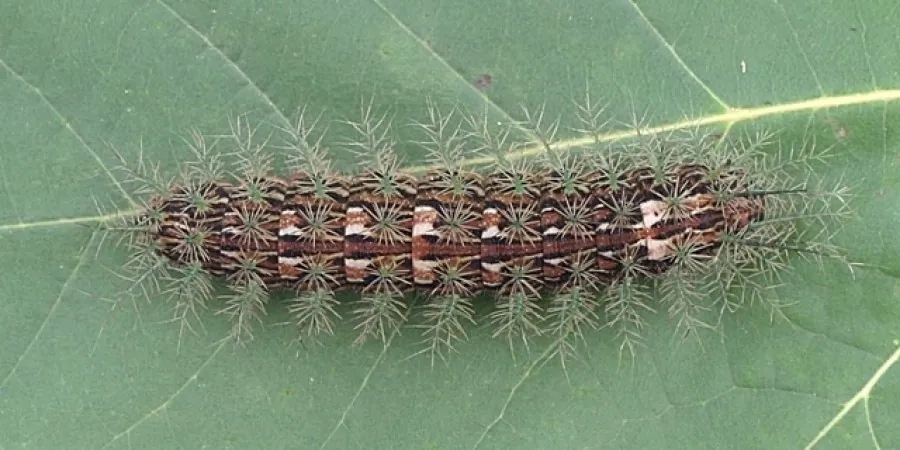
Giant silkworm moth caterpillar
 Pŕhlivé chĺpky
This is the caterpillar of a large moth from South America, the giant silk moth. The caterpillar is famous for its venom, which is one of the most dangerous of any caterpillar. It lives in southern Brazil and nearby countries, and it has caused many deaths.1
 Ako ho spoznať
Sila jedu
Malinké chĺpky alebo štetinky sa odlomia v koži a pália.
Čo robí jeho jed?
The venom is held in sacs at the base of each spine and flows through the hollow spines into the wound. It causes disseminated intravascular coagulation, which stops the blood from clotting and leads to bleeding into the tissues and internal organs. After an initial phase of headache, fever, vomiting and malaise, a severe bleeding disorder can develop after about 24 hours.1
Aké nebezpečné je pre ľudí?
Nebezpečenstvo pre ľudí: Veľmi nebezpečnéČloveka, ktorý nedostane liečbu, môže zabiť.The caterpillar has been responsible for at least 500 deaths. In Brazil, 42,264 accidents were recorded between 2007 and 2017, of which 248 were severe and five were fatal. The reported death rate is 2.5%. Most victims were male (63%), and 45% were between 0 and 21 years old.1
 Dobrá správa: lekári na to majú liek (protijed) alebo liečbu.1
Čo robí, keď sa bojí?
Its body is covered in hairs and spines that break off easily and inject venom into anything that touches them.1
 Ak sa dotkneš jeho chĺpkov
- A study by Dr Robert Norris states that stings and abrasions should be treated with antifibrinolytics. If blood products are needed, they must be given with care so they do not worsen the bleeding. An antiserum made by the Butantan Institute in São Paulo reverses the clotting problems, and patients treated with it recover quickly.1
- Pri pŕhlivých chĺpkoch húseníc: odstráň ich lepiacou páskou a potom umy kožu. Nešúchaj.
- Pri uhryznutí: umy a schlaď. Vyhľadaj lekársku pomoc, ak sa postihnutý cíti zle alebo ľahko krváca.
Vždy najprv zavolaj na tiesňovú linku (112, 000, 911). Toto sú všeobecné rady prvej pomoci, nie lekárska rada. Základy prvej pomoci
 Buď v bezpečí
- Nikdy sa nedotýkaj divého zvieraťa, nechytaj ho ani ho nedráždi, aj keď je malé a aj keď vyzerá, že spí alebo je mŕtve.
- Nechaj mu priestor. Ak nejaké stretneš, zostaň pokojný, pomaly cúvni a nechaj ho ísť svojou cestou.
- Ak sa dotkneš jeho chĺpkov: zostaň pokojný, nehýb sa, zavolaj na tiesňovú linku (112, 000, 911) alebo sa rýchlo dostaň do nemocnice. Zapamätaj si, ako vyzeralo, fotka pomôže.
Nejde po tebe. Jed používa na chytanie potravy alebo na obranu a oveľa radšej sa schová. Viac o tom, ako zostať v bezpečí
Aké je veľké?
Aké je dlhé?
 dlhé ako 2 kociek stavebnice v rade
 pomalšie ako záhradný slimák
Aký veľký je Giant silkworm moth caterpillar v porovnaní s TEBOU?
Iba matematika v tvojom prehliadači. Nič sa neukladá ani nikam neposiela.
Aké je rýchle?

Fakty
Guinness World Records lists it as the most venomous caterpillar in the world.1
Before studies of Lonomia caterpillars, it was not known that caterpillars could produce enough toxin to kill a person.1
Its venom contains anti-clotting agents that have been studied for possible medical uses, including a component called Lopap.1
The first known epidemic happened in an farming community in Rio Grande do Sul, where victims had only handled leafy branches before their symptoms began.1
Only two of the 26 Lonomia species found in the Americas, L. obliqua and L. achelous, have caused severe reactions.1
Lovec mýtov
Mýtus: Caterpillars cannot produce toxins strong enough to kill a person.
Pravda: This caterpillar's venom can kill. At least 500 deaths have been linked to it.1
Odkiaľ sú fakty
- Lonomia obliqua (Wikipedia (CC BY-SA 4.0))
- Lonomia obliqua (iNaturalist): mená a klasifikácia.
- Venom Wiki: úroveň nebezpečenstva, typická veľkosť a odhad rýchlosti sú naše vlastné. Pozri, ako ich určujeme: Ako hodnotíme nebezpečenstvo.
Každý fakt na tejto stránke má číslo, ktoré ukazuje na jeho zdroj. Ak sme sa v niečom pomýlili, prepáč, sme fanúšikovia zvierat, nie vedecký časopis. Napíš nám na [email protected] a opravíme to.
 Škorpión je hladný! Venom Wiki je projekt jedného človeka: zadarmo, bez reklám a bez sledovania. Malý príspevok pomôže udržať ho online.Nakŕm škorpióna
Viac z tej istej skupiny: Húsenice a hmyz
 Vinchuca kissing bugHúsenice a hmyzTreba lekára
 Venezuelan fire caterpillarHúsenice a hmyzMôže zabiťNedotýkaj sa
 Pararama caterpillarHúsenice a hmyzTreba lekáraNedotýkaj sa
 Rhodnius kissing bugHúsenice a hmyzTreba lekára
 Yellowtail moth of the mangrovesHúsenice a hmyzLen to bolíNedotýkaj sa
 Milkweed assassin bugHúsenice a hmyzNeškodné
 Pralesnička strašná
 Kopijovec drsný
 Brazilian wandering spider
 Eyelash viper
 Golden lancehead
 South American bushmaster