
 Afrika
 Azia
Azia Evropa
 Amerika e Jugut
 Australia dhe Oqeania
 Antarktida
 Oqeani Paqësor
 Oqeani Atlantik
 Oqeani Indian
 Oqeani Arktik
 Deti Mesdhe
 Deti i Kuq
 Deti i Karaibeve
 Deti Koral
 Deti i Kinës Jugore
 Deti i Filipineve
 Deti Andaman
 Deti i Veriut
 Deti i Timorit dhe Deti Arafura
 Gjiri i Bengalit
 Gjiri i Kalifornisë
Common lancehead
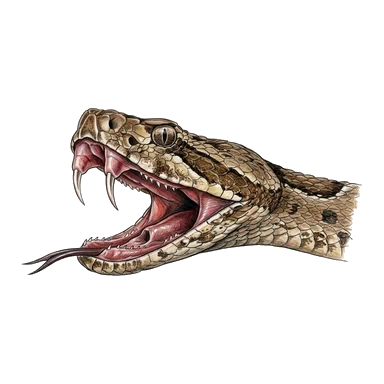 Kafshimet
The common lancehead is a highly venomous pit viper that lives in the tropical lowlands of northern South America and on the Caribbean island of Trinidad. It is one of the most common pit vipers in its range and is not endangered. Its venom disrupts blood clotting, which makes its bite especially serious.1
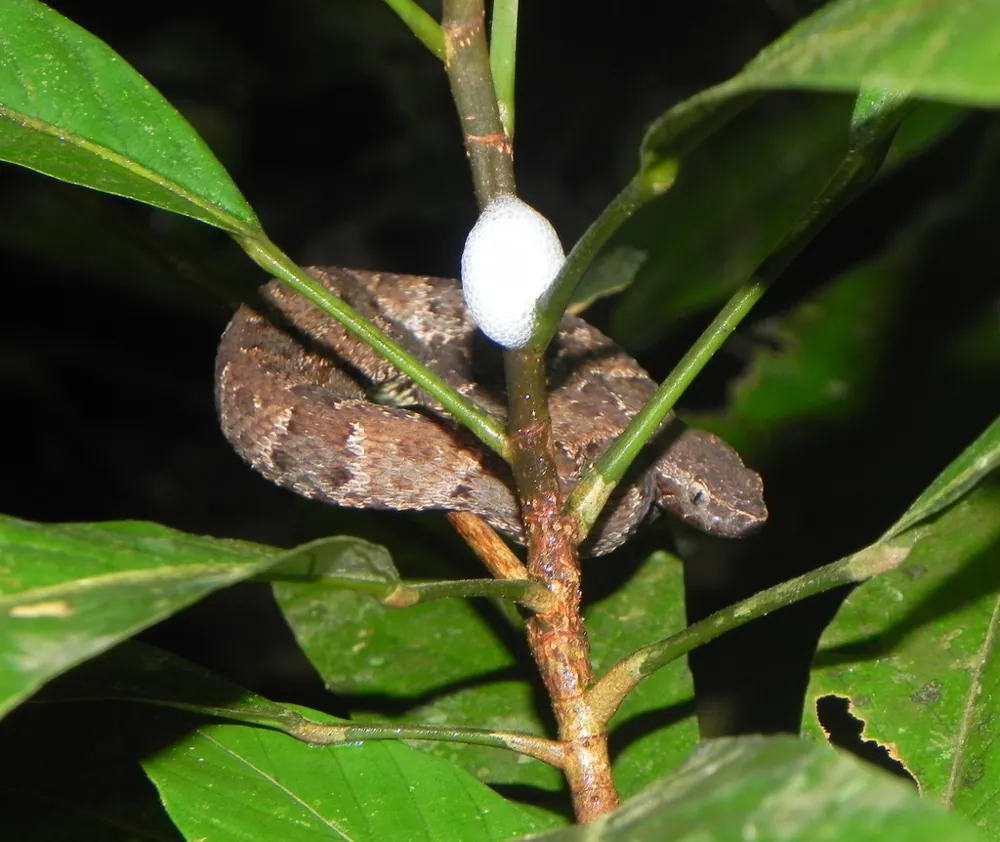
 Si ta njohësh
- Ground colour is olive, brown, tan, grey or yellow, and rarely rusty.1
- The body pattern is a series of blotches that often fuse into bands. The markings are X-like, which is why some local names refer to the letter X.1
- The chin is pale yellow, and a dark stripe runs from behind the eye to the corner of the mouth.1
- The irises are gold or bronze, and the tongue is black.1
- Adults usually measure 75 to 125 cm in total length and are moderately heavy-bodied.1
Shpesh ngatërrohet me: It is often confused with Bothrops asper, which was once included in this species. Most authorities now consider B. asper to be a separate species. This confusion also makes reports of its maximum size unclear.1
Fuqia e helmit
Helmi del përmes dhëmbëve helmues ose dhëmbëve kur kafshon.
Çfarë bën helmi i saj?
Its venom is haemorrhagic, meaning it damages the lining of blood vessels and uses up the substances that allow blood to clot. Symptoms can include severe bleeding, kidney failure, abnormal clotting, blisters and necrosis (death of body tissue). Bleeding in the brain can also occur. Recovery from the clotting problem has been seen 14 to 30 hours after a bite.1
Sa e rrezikshme është për njerëzit?
Rreziku për njerëzit: VdekjeprurësNjë nga kafshët më të rrezikshme në botë.The bite is serious and can be fatal. Plantation workers are often bitten. Juvenile snakes have more lethal venom that kills more quickly, and people bitten by young snakes are more likely to develop the clotting problem. In a case reported in the Brazilian Amazon, the patient died of a stroke even after antivenom was given. A Mexican polyvalent antivenom tested against it had no effect on the clotting problem.1
Çfarë bën kur ka frikë?
It is easily agitated, and it can lie camouflaged for hours, nearly undetectable, then strike at high speed.1
 Nëse kafshon
- Mbaje personin pa lëvizur dhe të qetë, mbaje gjymtyrën e kafshuar në nivelin e zemrës, hiq unazat dhe gjërat e shtrënguara, dhe shko shpejt në spital.
Gjithmonë telefono së pari numrin e emergjencës (112, 000, 911). Ky është udhëzim i përgjithshëm për ndihmën e parë, jo këshillë mjekësore. Bazat e ndihmës së parë
 Rri i sigurt
- Mos prek, mos kap dhe mos ngacmo kurrë një kafshë të egër, edhe të vogël, edhe nëse duket në gjumë ose e ngordhur.
- Lëri hapësirë. Nëse takon një të tillë, qëndro i qetë, tërhiqu ngadalë dhe lëre të shkojë në rrugën e vet.
- Nëse të kafshon një e tillë: qëndro i qetë, mos lëviz, telefono numrin e emergjencës (112, 000, 911) ose shko shpejt në spital. Mbaj mend si dukej, një foto ndihmon.
Nuk ka qëllim të të sulmojë. E përdor helmin për të kapur ushqim ose për t'u mbrojtur, dhe preferon shumë më tepër të fshihet. Më shumë për sigurinë
Sa i madh është?
Sa i gjatë është?
 aq i gjatë sa 3 mace shtëpie nga hunda te bishti
 aq i gjatë sa 9 banane njëra pas tjetrës
 mund të përshkonte 100 metra për 92 sekonda (njeriu më i shpejtë ka nevojë për 9,6)
Sa i madh është Common lancehead krahasuar me TY?
Vetëm matematikë në shfletuesin tënd. Asgjë nuk ruhet dhe nuk dërgohet askund.
Sa i shpejtë është?


Fakte
An enzyme called reptilase, or batroxobin, is taken from its venom and used in modern medical laboratories to measure fibrinogen levels and blood clotting. The enzyme is not affected by heparin.1
Although it is mostly terrestrial, it is an excellent swimmer and will climb trees when needed to reach prey.1
Females with developing embryos move in and out of sunlight to keep themselves and the embryos at a constant temperature.1
Venom yield averages 124 milligrams, but can reach 342 milligrams.1
Despite the large-scale destruction of rainforests, it is among the most numerous and common of pit vipers.1
Për ekspertët e helmeve
- Emri shkencor
- Bothrops atrox
- Grupi
- Nepërkat me gropëza
- Familja
- Viperidae2
- Renditja
- Squamata
- Kontinentet
- Amerika e Jugut
- Foshnjat
- It gives birth to live young, up to 80 at once, with an average of about 60 per litter in equatorial regions after a gestation of three to four months.1
- Si po ia del në natyrë
- Not endangered1
- Rreziku për njerëzit
- 5 / 5: Vdekjeprurës3
Nga vijnë faktet
- Bothrops atrox (Wikipedia (CC BY-SA 4.0))
- Bothrops atrox (iNaturalist): emrat dhe klasifikimi.
- Venom Wiki: niveli i rrezikut, madhësia tipike dhe shpejtësia e hamendësuar janë tonat. Shiko si i llogarisim: Si e vlerësojmë rrezikun.
Çdo fakt në këtë faqe ka një numër që të çon te burimi i tij. Nëse kemi gabuar diçka, na fal, ne jemi adhurues kafshësh, jo revistë shkencore. Na shkruaj në [email protected] dhe do ta rregullojmë.
 Akrepi është i uritur! Venom Wiki është projekt i një njeriu të vetëm: falas, pa reklama dhe pa gjurmues. Një bakshish i vogël ndihmon ta mbajë online.Ushqe akrepin
Më shumë nga i njëjti grup: Nepërkat me gropëza
 Terciopelo
 Eyelash viper
 Golden lancehead
 South American bushmaster
 Jararaca
 Jararacussu
Jeton edhe në: Amerika e Jugut
 Golden poison frogBretkosat toksike, zhabat dhe tritonëtVdekjeprurësMos e prek
 Brazilian wandering spiderMerimangatMund të vrasë
 Cane toadBretkosat toksike, zhabat dhe tritonëtKa nevojë për mjekMos e prek
 Peruvian giant centipedeQindkëmbëshatKa nevojë për mjek
 Bullet antMilingonatVetëm dhemb
 Common vampire batGjitarë helmuesVetëm dhemb