
 Afrika
 Azia
Azia Evropa
 Amerika e Jugut
 Australia dhe Oqeania
 Antarktida
 Oqeani Paqësor
 Oqeani Atlantik
 Oqeani Indian
 Oqeani Arktik
 Deti Mesdhe
 Deti i Kuq
 Deti i Karaibeve
 Deti Koral
 Deti i Kinës Jugore
 Deti i Filipineve
 Deti Andaman
 Deti i Veriut
 Deti i Timorit dhe Deti Arafura
 Gjiri i Bengalit
 Gjiri i Kalifornisë
Pine processionary
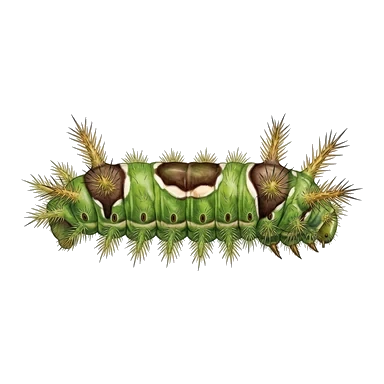 Qime që djegin
The pine processionary is a moth whose caterpillars are famous for marching in long, nose-to-tail lines through pine woods. Their hairs cause painful rashes and eye irritation, and they can strip the needles from whole trees. It lives around the Mediterranean and is spreading north.1
 Si ta njohësh
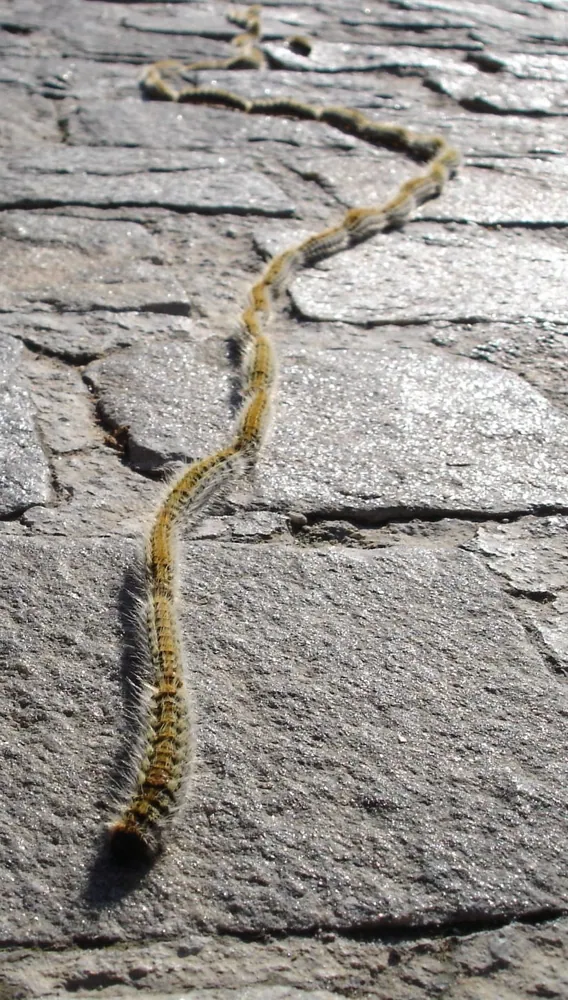
- Caterpillars are orange-brown and hairy, with blue bands.1
- Large silken nests in pine trees, often with several in one tree and signs of stripped needles.1
- Caterpillars move in single-file processions, usually at night and when leaving the tree to pupate.1
- Adults have predominantly light brown forewings with brown markings and white hindwings.1
- Adult males have a crescent marking on the wings and are larger than the oak processionary.1
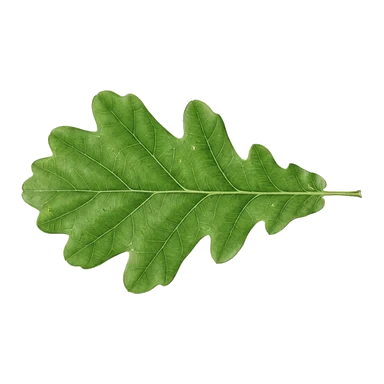
Shpesh ngatërrohet me: The oak processionary (Thaumetopoea processionea) is smaller as an adult, has an indistinct wing marking rather than a crescent, and lives in broad-leaved rather than coniferous forests. The pale eggar moth has no crescent marking on its wings.1
Fuqia e helmit
Qime të imëta ose qime të ashpra thyhen brenda lëkurës dhe djegin.
Çfarë bën helmi i saj?
The species is not venomous. Its caterpillars have hairs containing an irritant chemical called thaumetopoein, which causes skin rashes (urticaria) and eye irritation on contact. Some people may have an allergic reaction. The hairs of fifth-stage larvae can also break off and spread across nearby exposed skin.1
Sa e rrezikshme është për njerëzit?
Rreziku për njerëzit: E dhimbshmeMund të dhembë shumë, por pothuajse kurrë nuk është serioze.Simple contact with the caterpillar hairs can cause severe rashes and eye irritation in humans and other mammals. Some individuals may have an allergic reaction.1
Çfarë bën kur ka frikë?
When stressed or threatened, fifth-stage caterpillars eject harpoon-shaped hairs that irritate any exposed skin nearby.1
 Nëse prek qimet e saj
- Për qimet e vemjeve që djegin: hiqi me shirit ngjitës, pastaj laje lëkurën. Mos fërko.
- Për kafshimet: laje dhe ftohe. Kërko ndihmë mjekësore nëse personi ndihet keq ose i rrjedh gjak lehtë.
Gjithmonë telefono së pari numrin e emergjencës (112, 000, 911). Ky është udhëzim i përgjithshëm për ndihmën e parë, jo këshillë mjekësore. Bazat e ndihmës së parë
 Rri i sigurt
- Mos prek, mos kap dhe mos ngacmo kurrë një kafshë të egër, edhe të vogël, edhe nëse duket në gjumë ose e ngordhur.
- Lëri hapësirë. Nëse takon një të tillë, qëndro i qetë, tërhiqu ngadalë dhe lëre të shkojë në rrugën e vet.
- Nëse prek qimet e saj: qëndro i qetë, mos lëviz, telefono numrin e emergjencës (112, 000, 911) ose shko shpejt në spital. Mbaj mend si dukej, një foto ndihmon.
Nuk ka qëllim të të sulmojë. E përdor helmin për të kapur ushqim ose për t'u mbrojtur, dhe preferon shumë më tepër të fshihet. Më shumë për sigurinë
Sa i madh është?
Sa i gjatë është?
 rreth aq i gjatë sa një kapëse letrash
 më i ngadaltë se një kërmill kopshti
Sa i madh është Pine processionary krahasuar me TY?
Vetëm matematikë në shfletuesin tënd. Asgjë nuk ruhet dhe nuk dërgohet askund.
Sa i shpejtë është?


Fakte
Caterpillars in a procession hold together through touch from the caterpillar in front, which takes priority over the trail pheromone or silk.1
The caterpillars are one of the few temperate-zone insects whose larvae develop through the winter, living in silk nests high in pine trees.1
Adults live for only a single day, during which they mate and lay eggs.1
The Greek physician Dioscorides described the itching caused by this caterpillar in the 1st century AD, and Pliny the Elder recorded a treatment for it.1
Outbreaks are somewhat cyclical, with a period of 7 to 9 years.1
Rrëzuesi i miteve
Miti: Fabre's caterpillars marched in a circle around a flower pot only because they were trapped on its rim.
E vërteta: Young caterpillars' circular trails continue for as long as 12 hours even when they are free on a flat surface.1
Për ekspertët e helmeve
- Emri shkencor
- Thaumetopoea pityocampa
- Grupi
- Vemjet dhe insektet
- Familja
- Notodontidae2
- Renditja
- Lepidoptera
- Kontinentet
- Evropa, Afrika, Azia
- Foshnjat
- Each female lays an enormous number of eggs near the tops of pine trees, in cylindrical egg masses 4 to 5 cm long covered with scales that mimic pine shoots.1
- Rreziku për njerëzit
- 2 / 5: E dhimbshme3
Nga vijnë faktet
- Pine processionary (Wikipedia (CC BY-SA 4.0))
- Thaumetopoea pityocampa (iNaturalist): emrat dhe klasifikimi.
- Venom Wiki: niveli i rrezikut, madhësia tipike dhe shpejtësia e hamendësuar janë tonat. Shiko si i llogarisim: Si e vlerësojmë rrezikun.
Çdo fakt në këtë faqe ka një numër që të çon te burimi i tij. Nëse kemi gabuar diçka, na fal, ne jemi adhurues kafshësh, jo revistë shkencore. Na shkruaj në [email protected] dhe do ta rregullojmë.
 Akrepi është i uritur! Venom Wiki është projekt i një njeriu të vetëm: falas, pa reklama dhe pa gjurmues. Një bakshish i vogël ndihmon ta mbajë online.Ushqe akrepin
Më shumë nga i njëjti grup: Vemjet dhe insektet
 Oak processionaryVemjet dhe insektetVetëm dhembMos e prek
 White-spotted assassin bugVemjet dhe insektetVetëm dhemb
 Common bombardier beetleVemjet dhe insektetI padëmshëm
 Asian giant water bugVemjet dhe insektetVetëm dhemb
 Blue-striped nettle grubVemjet dhe insektetVetëm dhembMos e prek
 Brown-tail mothVemjet dhe insektetVetëm dhembMos e prek
Jeton edhe në: Evropa
 Common European adderViperat dhe nepërkatKa nevojë për mjek
 Spanish flyKafshë të tjera toksikeKa nevojë për mjekMos e prek
 Common waspBletët, grerëzat dhe grerëzat e mëdhaVetëm dhemb
 European hornetBletët, grerëzat dhe grerëzat e mëdhaVetëm dhemb
 Fire salamanderBretkosat toksike, zhabat dhe tritonëtVetëm dhembMos e prek
 Western honey beeBletët, grerëzat dhe grerëzat e mëdhaVetëm dhemb