
 Африка
 Азија
Азија Европа
 Јужна Америка
 Аустралија и Океанија
 Антарктик
 Тихи океан
 Атлантски океан
 Индијски океан
 Северни ледени океан
 Средоземно море
 Црвено море
 Карипско море
 Корално море
 Јужнокинеско море
 Филипинско море
 Андаманско море
 Северно море
 Тиморско и Арафурско море
 Бенгалски залив
 Калифорнијски залив
Cane toad
 Отров у кожиЈеде: Помало од свегаОтровна на додир или за јело, али не уједа и не боде отровом
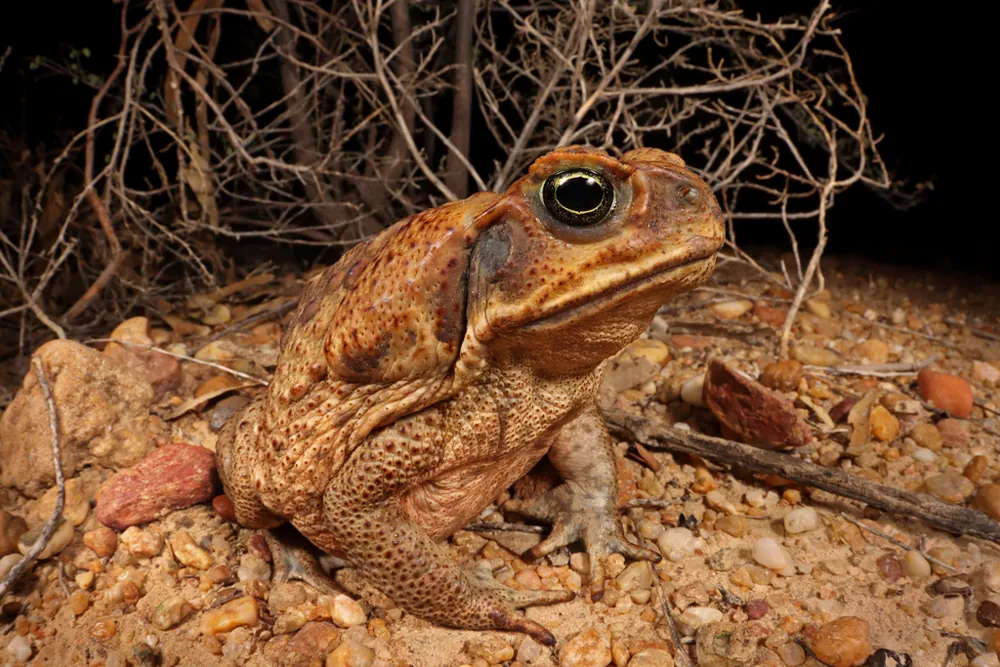
The cane toad is a large toad that is very poisonous to many animals. It is native to South and mainland Central America, but people have moved it to islands in Oceania and the Caribbean and to northern Australia. It matters because it spreads quickly and harms native wildlife and pets.1
 Како да је препознаш
- Very large, with adults usually 10 to 15 cm long1
- Dry, warty skin with distinct ridges above the eyes that run down the snout1
- A large parotoid gland (a swollen gland) behind each eye1
- Grey, yellowish, red-brown or olive-brown skin, often with patterns1
- Horizontal pupils and golden irises1
Често је мешају са: In Australia, adults can be confused with large native frogs, but these lack the large parotoid glands and the ridge between the nostril and eye. The giant burrowing frog has vertical pupils and silver-grey irises, while the cane toad has horizontal pupils and golden irises. In the United States, the southern toad has two bulbs in front of the parotoid glands.1
Моћ отрова у кожи
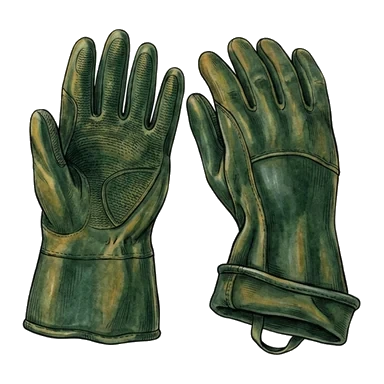
Њена кожа је отровна. Опасно ју је додиривати, лизати или јести.
Шта ради њен отров ако је додирнеш или поједеш?
The toad's glands secrete a milky-white fluid called bufotoxin when it is threatened. Components of bufotoxin are toxic to many animals. In dogs, signs of poisoning include excessive drooling, extremely red gums, head-shaking, crying and loss of coordination.1
Колико је опасна за људе?
Опасност за људе: ОзбиљноАко је неко додирне или поједе, потребан је лекар. Смртни случајеви су веома ретки.The toxic skin can kill many wild and domestic animals. Dogs are especially at risk from licking or biting the toad. Human deaths have also been recorded after people ate cane toads.1
Шта ради кад се уплаши?
When threatened, it releases bufotoxin from its glands.1
 Ако ју је неко додирнуо или појео
- Ако ју је неко додирнуо: добро опери руке и не дирај очи или уста. Ако ју је дете или кућни љубимац лизнуо или појео: позови центар за контролу тровања или број за хитне случајеве.
Увек прво позови број за хитне случајеве (112, 000, 911). Ово су општа упутства за прву помоћ, а не медицински савет. Основе прве помоћи
 Буди безбедан
- Никад не дирај, не хватај и не задиркуј дивљу животињу, чак ни малу, и чак ни ако изгледа као да спава или је мртва.
- Држи се на одстојању. Ако је сретнеш, остани миран, полако се повуци и пусти је да оде својим путем.
- Ако си је додирнуо или појео: не трљај очи или уста, опери руке и потражи медицинску помоћ.
Она не јури тебе. Њен отров постоји само да је нико не би појео. Још о безбедности
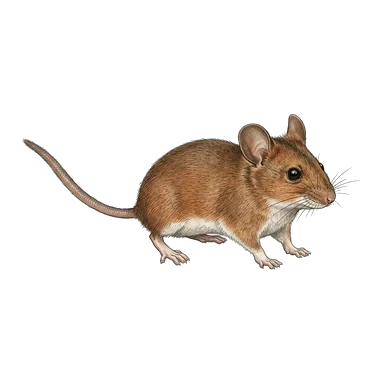
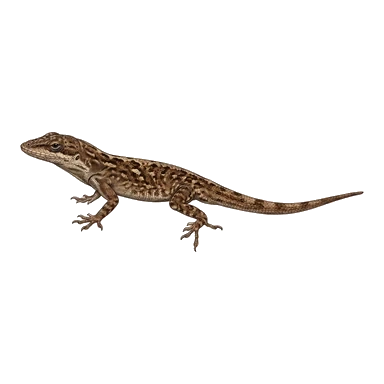
Колико је велика?
Колико је дугачка?
 дугачко као 8 коцкица за слагање поређаних у низу
 могла би да претрчи 100 метара за 180 секунди (најбржем човеку треба 9,6)
Cane toad и ТИ: ко је већи?
Само математика у твом прегледачу. Ништа се не чува и никуд не шаље.
Колико је брза?


Чињенице
Young toads lose the toxicity they had as eggs and tadpoles, and they only develop their poison glands later. Only an estimated 0.5% of cane toads reach adulthood.1
In Australia, tadpoles have evolved to be more likely to eat their siblings than tadpoles in South America.1
A female can lay thousands of eggs in one spawn, in strings up to 20 metres long.1
In the wild, cane toads can live 10 to 15 years, and one captive toad was reported to have lived 35 years.1
The cane toad is considered the largest species in the Bufonidae, the toad family.1
Cane toads eat both living and dead matter, which is unusual among frogs and toads.1
Рушилац митова
Мит: The name 'marine toad' suggests that cane toads live in the sea.
Истина: Cane toads do not live in the sea. The name came from a mistaken belief by an early naturalist.1
За стручњаке за отрове
Одакле потичу чињенице
- Cane toad (Wikipedia (CC BY-SA 4.0))
- Rhinella marina (iNaturalist): имена и класификација.
- Venom Wiki: ниво опасности, типична величина и процена брзине су наши. Погледај како их рачунамо: Како оцењујемо опасност.
Свака чињеница на овој страници има број који води до њеног извора. Ако смо нешто погрешили, извини, ми смо љубитељи животиња, а не научни часопис. Јави нам на [email protected] и исправићемо.
 Шкорпион је гладан! Venom Wiki је пројекат једног човека: бесплатан, без реклама и без трекера. Мала напојница помаже да остане на мрежи.Нахрани шкорпиона
Још из исте групе: Отровне жабе, крастаче и мрмољци
 Golden poison frogОтровне жабе, крастаче и мрмољциСмртоносноНе дирај
 Dyeing poison dart frogОтровне жабе, крастаче и мрмољциСамо болиНе дирај
 Strawberry poison-dart frogОтровне жабе, крастаче и мрмољциСамо болиНе дирај
 Black-legged poison frogОтровне жабе, крастаче и мрмољциМоже да убијеНе дирај
 California newtОтровне жабе, крастаче и мрмољциМоже да убијеНе дирај
 Rough-skinned newtОтровне жабе, крастаче и мрмољциМоже да убијеНе дирај
 Terciopelo
 Eastern coral snake
 Eastern diamondback rattlesnake
 Eyelash viper
 Timber rattlesnake
 Western diamondback rattlesnake