
 Африка
 Азија
Азија Европа
 Јужна Америка
 Аустралија и Океанија
 Антарктик
 Тихи океан
 Атлантски океан
 Индијски океан
 Северни ледени океан
 Средоземно море
 Црвено море
 Карипско море
 Корално море
 Јужнокинеско море
 Филипинско море
 Андаманско море
 Северно море
 Тиморско и Арафурско море
 Бенгалски залив
 Калифорнијски залив
Pygmy slow loris
 Уједи
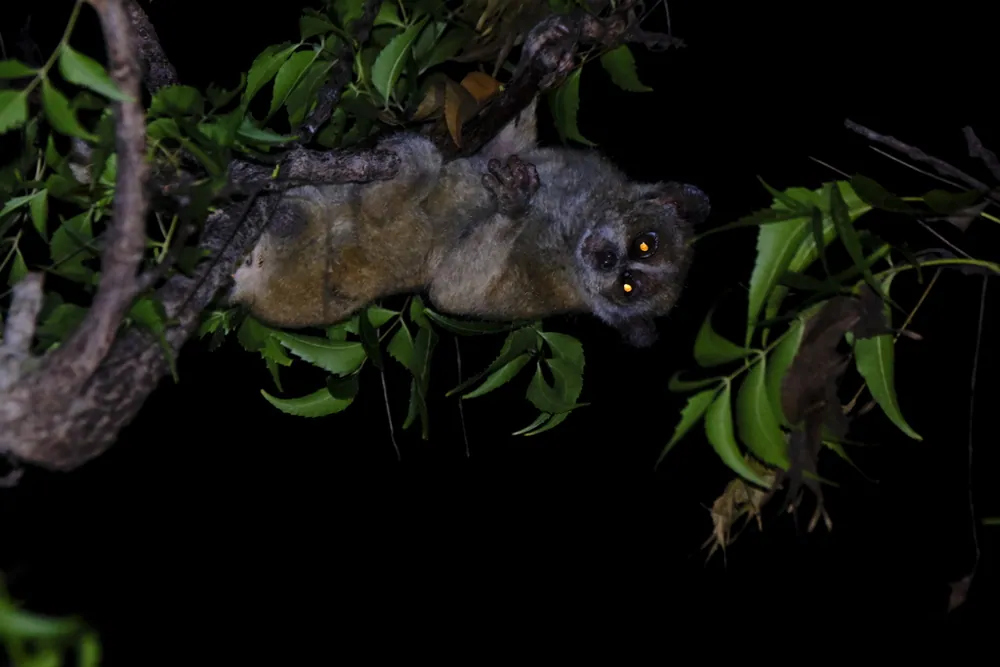
УједиThe pygmy slow loris is a small, nocturnal primate that moves slowly through forest trees at night. It lives in parts of Vietnam, Laos, Cambodia and China. It is one of the few primates that can produce a toxic bite, which makes it special and very rare.1



 Како да је препознаш
- Rings around the eyes that are seal brown in adults and darker in young animals1
- A white stripe running from the nose up to the forehead1
- Small black ears, about 23 mm long, with no fur on the tips1
- A rufous to brownish-black stripe along the back, from the nape to the middle of the lower back1
- Silvery white hands and feet with yellowish-white nails1
Често је мешају са: The Bengal slow loris (N. bengalensis) lives in some of the same areas, near the border of southern China and Vietnam. The two can be told apart by differences in their chromosomes, not by appearance alone.1
Моћ отрова
Отров излази кроз очњаке или зубе када уједа.
Шта ради њен отров кад угризе или убоде?
The bite is toxic. The animal licks a clear, oily secretion from glands on the inside of its elbows and mixes it with its saliva, which creates a noxious toxin. The secretion contains over 200 chemical components, and one of them is a protein similar to an allergen found in cat dander. In people who are sensitive to it, this can cause anaphylaxis, a severe allergic reaction.1
Колико је опасна за људе?
Опасност за људе: БолноМоже баш да боли, али скоро никад није озбиљно.The main risk is anaphylaxis, which can affect people who are sensitive to the protein in its secretion.1
Шта ради кад се уплаши?
When startled, it licks the secretion from its elbow glands and spreads it over its head.1
 Ако уједа
- Добро опери рану и потражи медицинску помоћ.
Увек прво позови број за хитне случајеве (112, 000, 911). Ово су општа упутства за прву помоћ, а не медицински савет. Основе прве помоћи
 Буди безбедан
- Никад не дирај, не хватај и не задиркуј дивљу животињу, чак ни малу, и чак ни ако изгледа као да спава или је мртва.
- Држи се на одстојању. Ако је сретнеш, остани миран, полако се повуци и пусти је да оде својим путем.
- Ако те таква животиња угризе: остани миран, не мрдај, позови број за хитне случајеве (112, 000, 911) или брзо стигни до болнице. Запамти како је изгледала, слика помаже.
Она не јури тебе. Отров користи да ухвати храну или да се заштити, и много радије би се сакрила. Још о безбедности
Колико је велика?
Колико је дугачка?
Колико је тешка?

 дугачко као 7 коцкица за слагање поређаних у низу
 могла би да претрчи 100 метара за 180 секунди (најбржем човеку треба 9,6)
Pygmy slow loris и ТИ: ко је већи?
Само математика у твом прегледачу. Ништа се не чува и никуд не шаље.
Колико је брза?


Чињенице
Its lower teeth form a comb-like toothcomb, which it uses for grooming and for scraping resin from tree bark.1
Its weight changes with the seasons. Adults can be about 50 percent heavier in winter than in summer, and individuals up to 700 grams have been recorded.1
Unlike most other primates, it does not leap. It moves by crawling slowly along branches.1
Males mark their territories with scent, and females prefer males whose scent is familiar.1
Females are only fertile for a short time each year, so mating opportunities are rare.1
Рушилац митова
Мит: Animals found near Hòa Bình in Vietnam were a separate species, N. intermedius.
Истина: DNA analysis showed these were adults of the pygmy slow loris. Differences in dorsal stripes and silvery hairs are seasonal variation.1
За стручњаке за отрове
- Научни назив
- Xanthonycticebus pygmaeus
- Група
- Отровни сисари
- Породица
- Lorisidae2
- Редослед
- Primates
- Континенти
- Азија
- Младунци
- It usually has one or two offspring after a gestation of about six months, and the young cling to their mother's belly for the first few days.1
- Животни век
- око 20 година1
- Како јој иде у дивљини
- Endangered1
- Опасност за људе
- 2 / 5: Болно3
Одакле потичу чињенице
- Pygmy slow loris (Wikipedia (CC BY-SA 4.0))
- Xanthonycticebus pygmaeus (iNaturalist): имена и класификација.
- Venom Wiki: ниво опасности, типична величина и процена брзине су наши. Погледај како их рачунамо: Како оцењујемо опасност.
Свака чињеница на овој страници има број који води до њеног извора. Ако смо нешто погрешили, извини, ми смо љубитељи животиња, а не научни часопис. Јави нам на [email protected] и исправићемо.
 Шкорпион је гладан! Venom Wiki је пројекат једног човека: бесплатан, без реклама и без трекера. Мала напојница помаже да остане на мрежи.Нахрани шкорпиона
 Bengal slow loris
 Javan slow loris
 Sunda slow loris
 Kayan River slow loris
 Philippine slow loris
 Eurasian water shrew
 Deathstalker
 Indian cobra
 Indian saw-scaled viper
 King cobra
 Puff adder
 Raselova vipera