
 Afrika
 Asien
Asien Europa
 Sydamerika
 Australien och Oceanien
 Antarktis
 Stilla havet
 Atlanten
 Indiska oceanen
 Norra ishavet
 Medelhavet
 Röda havet
 Karibiska havet
 Korallhavet
 Sydkinesiska havet
 Filippinska havet
 Andamansjön
 Nordsjön
 Timorhavet och Arafurasjön
 Bengaliska viken
 Kaliforniska viken
Common lancehead
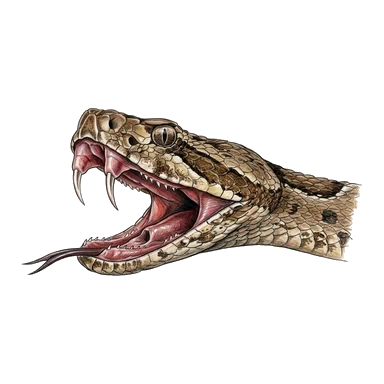 Bett
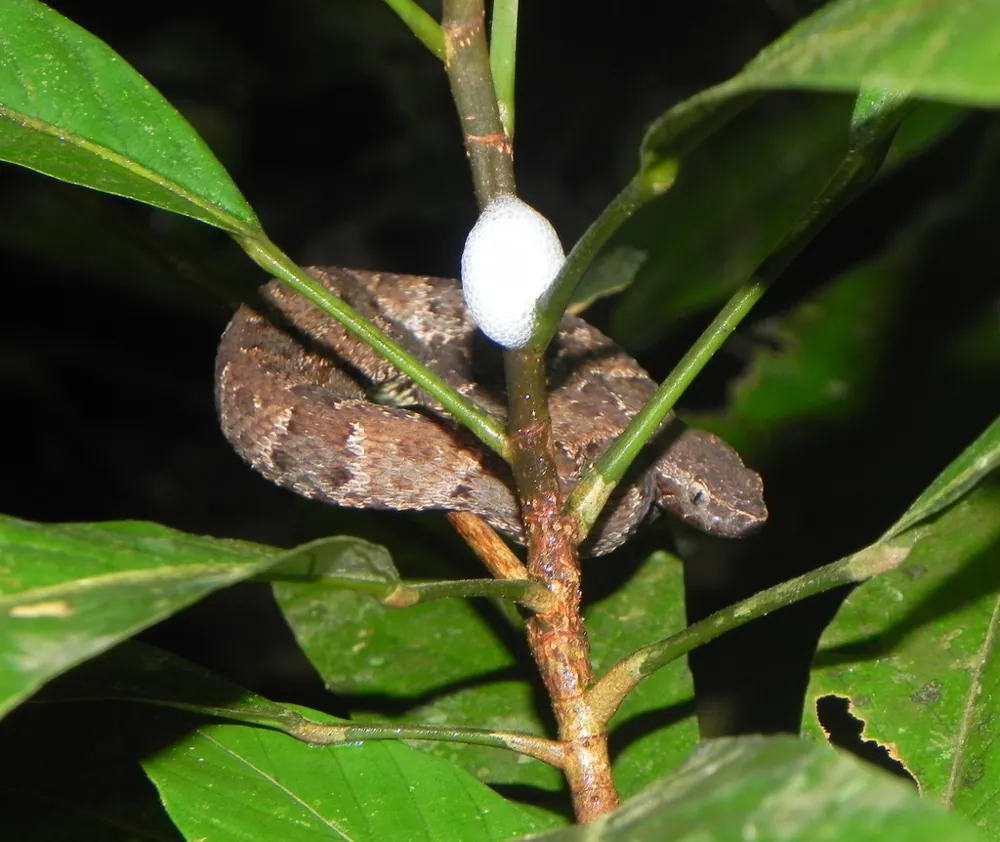
BettThe common lancehead is a highly venomous pit viper that lives in the tropical lowlands of northern South America and on the Caribbean island of Trinidad. It is one of the most common pit vipers in its range and is not endangered. Its venom disrupts blood clotting, which makes its bite especially serious.1
 Så känner du igen den
- Ground colour is olive, brown, tan, grey or yellow, and rarely rusty.1
- The body pattern is a series of blotches that often fuse into bands. The markings are X-like, which is why some local names refer to the letter X.1
- The chin is pale yellow, and a dark stripe runs from behind the eye to the corner of the mouth.1
- The irises are gold or bronze, and the tongue is black.1
- Adults usually measure 75 to 125 cm in total length and are moderately heavy-bodied.1
Förväxlas ofta med: It is often confused with Bothrops asper, which was once included in this species. Most authorities now consider B. asper to be a separate species. This confusion also makes reports of its maximum size unclear.1
Giftkraft
Giftet kommer ut genom gifttänderna eller tänderna när den biter.
Vad gör giftet när den biter eller sticker?
Its venom is haemorrhagic, meaning it damages the lining of blood vessels and uses up the substances that allow blood to clot. Symptoms can include severe bleeding, kidney failure, abnormal clotting, blisters and necrosis (death of body tissue). Bleeding in the brain can also occur. Recovery from the clotting problem has been seen 14 to 30 hours after a bite.1
Hur farlig är den för människor?
Fara för människor: DödligEtt av de farligaste djuren i världen.The bite is serious and can be fatal. Plantation workers are often bitten. Juvenile snakes have more lethal venom that kills more quickly, and people bitten by young snakes are more likely to develop the clotting problem. In a case reported in the Brazilian Amazon, the patient died of a stroke even after antivenom was given. A Mexican polyvalent antivenom tested against it had no effect on the clotting problem.1
Vad gör den när den är rädd?
It is easily agitated, and it can lie camouflaged for hours, nearly undetectable, then strike at high speed.1
 Om den biter
- Håll personen stilla och lugn, håll den bitna armen eller benet i hjärthöjd, ta av ringar och sådant som sitter åt och ta dig snabbt till ett sjukhus.
Ring alltid ditt larmnummer först (112, 000, 911). Det här är allmänna råd om första hjälpen, inte medicinsk rådgivning. Första hjälpen, grunderna
 Håll dig säker
- Rör aldrig, fånga aldrig och reta aldrig ett vilt djur, inte ens ett litet, och inte ens om det ser ut att sova eller vara dött.
- Håll avstånd. Om du möter en, var lugn, backa långsamt och låt den gå sin väg.
- Om en biter dig: var lugn, håll dig stilla, ring ditt larmnummer (112, 000, 911) eller ta dig snabbt till ett sjukhus. Kom ihåg hur den såg ut, ett foto hjälper.
Den är inte ute efter dig. Den använder sitt gift för att fånga mat eller skydda sig, och den gömmer sig mycket hellre. Mer om hur du håller dig säker
Hur stor är den?
Hur lång är den?
 lika lång som 3 huskatter från nos till svans
 lika lång som 9 bananer på rad
 skulle kunna springa 100 meter på 92 sekunder (den snabbaste människan behöver 9,6)
Hur stor är Common lancehead jämfört med DIG?
Bara matematik i din webbläsare. Inget sparas eller skickas någonstans.
Hur snabb är den?


Fakta
An enzyme called reptilase, or batroxobin, is taken from its venom and used in modern medical laboratories to measure fibrinogen levels and blood clotting. The enzyme is not affected by heparin.1
Although it is mostly terrestrial, it is an excellent swimmer and will climb trees when needed to reach prey.1
Females with developing embryos move in and out of sunlight to keep themselves and the embryos at a constant temperature.1
Venom yield averages 124 milligrams, but can reach 342 milligrams.1
Despite the large-scale destruction of rainforests, it is among the most numerous and common of pit vipers.1
För giftexperter
- Vetenskapligt namn
- Bothrops atrox
- Grupp
- Grophuggormar
- Familj
- Viperidae2
- Ordning
- Squamata
- Kontinenter
- Sydamerika
- Bebisar
- It gives birth to live young, up to 80 at once, with an average of about 60 per litter in equatorial regions after a gestation of three to four months.1
- Hur det går för den i naturen
- Not endangered1
- Fara för människor
- 5 / 5: Dödlig3
Var fakta kommer ifrån
- Bothrops atrox (Wikipedia (CC BY-SA 4.0))
- Bothrops atrox (iNaturalist): namn och klassificering.
- Venom Wiki: farlighetsnivån, den typiska storleken och den gissade hastigheten är våra egna. Se hur vi räknar fram dem: Så bedömer vi faran.
Alla fakta på den här sidan har en siffra som visar var de kommer ifrån. Om vi har fått något fel, förlåt, vi är djurfans, inte en vetenskaplig tidskrift. Berätta för oss på [email protected] så rättar vi det.
 Skorpionen är hungrig! Venom Wiki är ett enmansprojekt: gratis, utan reklam och utan spårning. En liten dricks hjälper till att hålla den online.Mata skorpionen
Mer från samma grupp: Grophuggormar
 Terciopelo
 Eyelash viper
 Golden lancehead
 South American bushmaster
 Jararaca
 Jararacussu
Lever också i: Sydamerika
 Golden poison frogPilgiftsgrodor, paddor och vattensalamandrarDödligRör inte
 Brazilian wandering spiderSpindlarKan döda
 Cane toadPilgiftsgrodor, paddor och vattensalamandrarBehöver läkareRör inte
 Peruvian giant centipedeMångfotingarBehöver läkare
 Bullet antMyrorGör bara ont
 Common vampire batGiftiga däggdjurGör bara ont