
 ஆப்பிரிக்கா
 ஆசியா
ஆசியா ஐரோப்பா
 தென் அமெரிக்கா
 ஆஸ்திரேலியா மற்றும் ஓசியானியா
 அண்டார்டிகா
 பசிபிக் பெருங்கடல்
 அட்லாண்டிக் பெருங்கடல்
 இந்தியப் பெருங்கடல்
 ஆர்க்டிக் பெருங்கடல்
 மத்தியதரைக் கடல்
 செங்கடல்
 கரீபியன் கடல்
 பவளக் கடல்
 தென் சீனக் கடல்
 பிலிப்பைன்ஸ் கடல்
 அந்தமான் கடல்
 வட கடல்
 திமோர் மற்றும் அரபுரா கடல்
 வங்காள விரிகுடா
 கலிபோர்னியா வளைகுடா
Chilean six-eyed sand spider
 கடிகள்
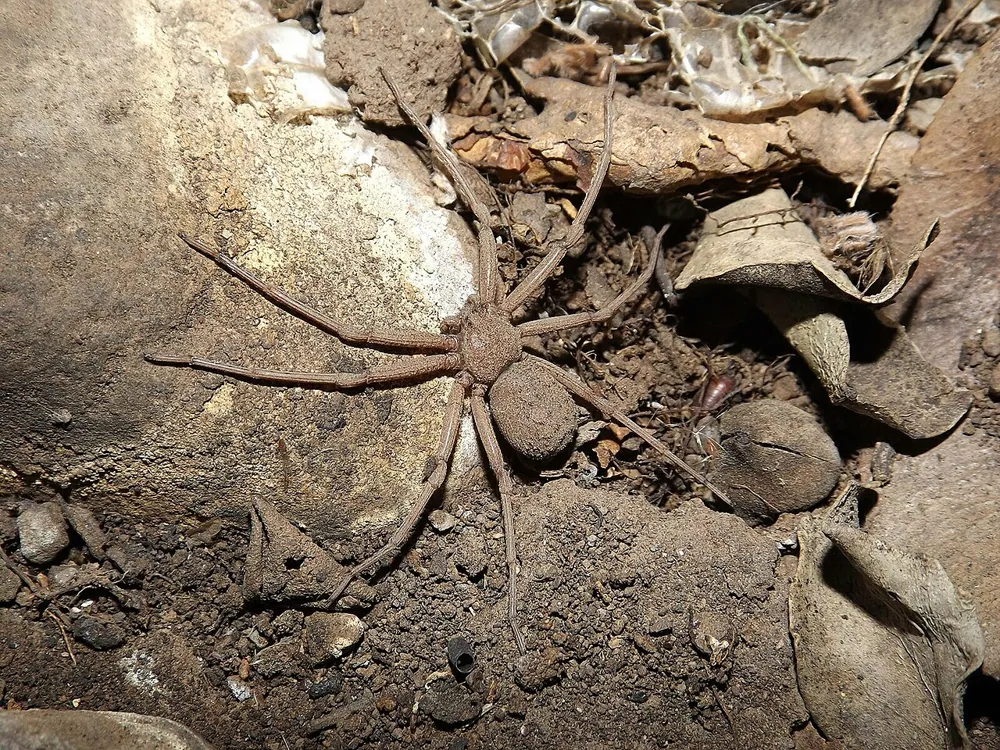
The Chilean six-eyed sand spider is a small spider that lives in the deserts of northern and central Chile. It hides under rocks and comes out at night. Its venom has effects similar to those of the Chilean recluse spider, which is why it matters to people who live nearby.1


 இதை எப்படி அடையாளம் காண்பது
- Body length of 12 to 20 mm1
- Active at night, with nocturnal habits1
- Shelters under rocks on sandy ground1
- Very common in urban areas with household waste1
அடிக்கடி இதனுடன் குழப்பப்படுகிறது: Older records under the name Sicarius terrosus may actually describe other species, such as Sicarius levii. Names in older books can therefore be unreliable.1
நஞ்சு சக்தி
கடிக்கும்போது நஞ்சு அதன் நச்சுப் பற்கள் அல்லது பற்கள் வழியாக வெளியேறும்.
இதன் நஞ்சு என்ன செய்யும்?
Its venom contains an enzyme called sphingomyelinase D, which has effects similar to those of the Chilean recluse spider. In laboratory tests the venom broke down red blood cells (haemolysis) and damaged skin cells, and 50 μg was enough to cause dermonecrosis, or the death of skin tissue. The venom also broke down fibrinogen, a protein needed for blood to clot.1
மனிதர்களுக்கு இது எவ்வளவு ஆபத்தானது?
மனிதர்களுக்கு ஆபத்து: வலி தருவதுமிகவும் வலிக்கலாம், ஆனால் கிட்டத்தட்ட ஒருபோதும் தீவிரமாகாது.Laboratory work shows that the venom can damage human tissue. Adult spiders carry up to eight times the amount of venom tested, so bites from adults could cause more serious lesions.1
 கடித்தால்
- கடித்த இடத்தைக் கழுவி வலிக்கு ஐஸ் பேக் வை. வலி கடுமையாக இருந்தாலோ பரவினாலோ அந்த நபருக்கு உடல்நலம் சரியில்லை என்றாலோ மருத்துவ உதவி பெறு.
எப்போதும் முதலில் உன் அவசர எண்ணை (112, 000, 911) அழை. இது பொதுவான முதலுதவி வழிகாட்டல், மருத்துவ ஆலோசனை அல்ல. முதலுதவி அடிப்படைகள்
 பாதுகாப்பாக இரு
- காட்டு விலங்கை ஒருபோதும் தொடாதே, பிடிக்காதே, சீண்டாதே, அது சிறியதாக இருந்தாலும், தூங்குவது போல அல்லது இறந்தது போலத் தெரிந்தாலும்.
- அதற்கு இடம் கொடு. சந்தித்தால், அமைதியாக இரு, மெதுவாகப் பின்வாங்கு, அதை அதன் வழியில் போக விடு.
- இது உன்னைக் கடித்தால்: அமைதியாக இரு, அசையாதே, உன் அவசர எண்ணை (112, 000, 911) அழை அல்லது விரைவாக மருத்துவமனைக்குச் செல். அது எப்படி இருந்தது என்று நினைவில் வை, புகைப்படம் உதவும்.
இது உன்னைத் தேடி வரவில்லை. உணவைப் பிடிக்கவோ தன்னைக் காத்துக்கொள்ளவோ நஞ்சைப் பயன்படுத்துகிறது, ஒளிந்துகொள்வதையே அதிகம் விரும்புகிறது. பாதுகாப்பாக இருப்பது பற்றி மேலும்
இது எவ்வளவு பெரியது?
இது எவ்வளவு நீளமானது?
 ஏறக்குறைய ஒரு காகித கிளிப்பின் நீளம்
 100 மீட்டரை 330 வினாடிகளில் கடக்கும் (மிக வேகமான மனிதனுக்கு 9.6 ஆகும்)
உன்னுடன் ஒப்பிடும்போது Chilean six-eyed sand spider எவ்வளவு பெரியது?
உன் உலாவியில் சிறிய கணக்கு மட்டும். எதுவும் சேமிக்கப்படுவதில்லை, எங்கும் அனுப்பப்படுவதில்லை.
இது எவ்வளவு வேகமானது?


உண்மைகள்
In 2020 a 20 mm spider was recorded preying on a 28 mm gecko, which is larger than the spider itself.1
Its venom breaks down fibrinogen, a clotting protein, faster than the venom of the Loxosceles species it was compared with.1
Scientists found that 50 μg of its venom was enough to cause dermonecrosis in laboratory tests.1
It is extremely common in Chilean cities where household waste is plentiful.1
கட்டுக்கதை உடைப்பான்
கட்டுக்கதை: The species is known as Sicarius terrosus.
உண்மை: The correct name is Sicarius thomisoides. The name terrosus was used for this species for a long time, but it was often used wrongly for other species too.1
உண்மைகள் எங்கிருந்து வருகின்றன
- Sicarius thomisoides (Wikipedia (CC BY-SA 4.0))
- Sicarius thomisoides (iNaturalist): பெயர்களும் வகைப்பாடும்.
- Venom Wiki: ஆபத்து நிலை, வழக்கமான அளவு, வேக ஊகம் எங்களுடையவை. நாங்கள் எப்படிக் கணக்கிடுகிறோம் என்று பார்: நாங்கள் ஆபத்தை எப்படி மதிப்பிடுகிறோம்.
இந்தப் பக்கத்தில் உள்ள ஒவ்வொரு உண்மைக்கும் அதன் ஆதாரத்தைக் காட்டும் ஒரு எண் உண்டு. நாங்கள் ஏதாவது தவறு செய்திருந்தால் மன்னிக்கவும், நாங்கள் விலங்கு ரசிகர்கள், அறிவியல் இதழ் அல்ல. [email protected]-இல் எங்களுக்குச் சொல், நாங்கள் சரிசெய்வோம்.
 தேளுக்குப் பசிக்கிறது! Venom Wiki ஒரே ஒருவரின் திட்டம்: இலவசம், விளம்பரமில்லை, கண்காணிப்பு இல்லை. ஒரு சிறிய உதவி அதை இணையத்தில் வைத்திருக்க உதவும்.தேளுக்கு உணவளி
அதே குழுவிலிருந்து மேலும்: சிலந்திகள்
 Brazilian wandering spider
 Amazon wandering spider
 Chilean recluse
 Golden silk orb-weaver
 Keyserling's wandering spider
 Argentine black widow
இங்கும் வாழ்கிறது: தென் அமெரிக்கா
 Golden poison frogநச்சுத் தவளைகள், தேரைகள், நியூட்டுகள்உயிர்க்கொல்லிதொடாதே
 Terciopeloகுழி விரியன்கள்உயிர்க்கொல்லி
 Eyelash viperகுழி விரியன்கள்கொல்லக்கூடும்
 Golden lanceheadகுழி விரியன்கள்கொல்லக்கூடும்
 South American bushmasterகுழி விரியன்கள்கொல்லக்கூடும்
 Cane toadநச்சுத் தவளைகள், தேரைகள், நியூட்டுகள்மருத்துவர் தேவைதொடாதே