
 ஆப்பிரிக்கா
 ஆசியா
ஆசியா ஐரோப்பா
 தென் அமெரிக்கா
 ஆஸ்திரேலியா மற்றும் ஓசியானியா
 அண்டார்டிகா
 பசிபிக் பெருங்கடல்
 அட்லாண்டிக் பெருங்கடல்
 இந்தியப் பெருங்கடல்
 ஆர்க்டிக் பெருங்கடல்
 மத்தியதரைக் கடல்
 செங்கடல்
 கரீபியன் கடல்
 பவளக் கடல்
 தென் சீனக் கடல்
 பிலிப்பைன்ஸ் கடல்
 அந்தமான் கடல்
 வட கடல்
 திமோர் மற்றும் அரபுரா கடல்
 வங்காள விரிகுடா
 கலிபோர்னியா வளைகுடா
Christmas tree hydroid
 கொட்டுகள்
The Christmas tree hydroid is a small, branching sea creature that grows in colonies on rocks and hard surfaces in shallow water. It is found in warm seas around the world, and it is common in the Mediterranean Sea. Scientists have used it to study how animals catch their prey.1

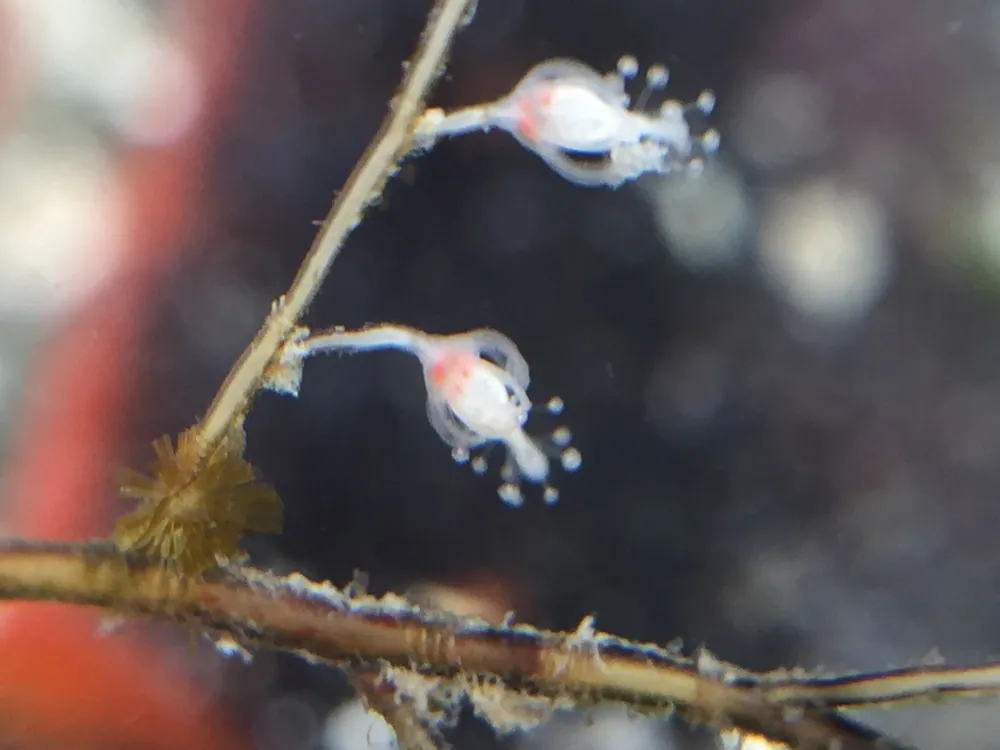
 இதை எப்படி அடையாளம் காண்பது
- Colonies have many branching stems, up to 30 cm high, arranged in a tree-like shape1
- The stalks are dark brown or blackish, but are often coated with algae and diatoms, giving them a muddy look1
- The tiny whitish polyps are tinged with red1
- Each polyp has many slender tentacles at its base and up to twelve tentacles with knobbed tips around its mouth1
நஞ்சு சக்தி
நஞ்சு ஒரு கொடுக்கு வழியாக வெளியேறும்.
இதன் நஞ்சு என்ன செய்யும்?
Contact with a rope on which this hydroid was growing caused an acute, painful skin inflammation (dermatitis) in several people. Contact with the stinging cells on its tentacles is the cause.1
மனிதர்களுக்கு இது எவ்வளவு ஆபத்தானது?
மனிதர்களுக்கு ஆபத்து: வலி தருவதுமிகவும் வலிக்கலாம், ஆனால் கிட்டத்தட்ட ஒருபோதும் தீவிரமாகாது.Several people who touched a rope covered in this hydroid got an acute, painful dermatitis. No deaths are known.1
 கொட்டினால்
- நீரிலிருந்து வெளியே வந்து ஒட்டியிருக்கும் உணர்கொம்புகளை (கையுறை அல்லது துணியால்) எடு.
- வெப்பமண்டலப் பெட்டி ஜெல்லிமீனுக்கு: கொட்டிய இடத்தில் குறைந்தது 30 வினாடிகள் வினிகர் ஊற்று, உதவிக்கு அழை, CPR செய்யத் தயாராக இரு. நீலப் புட்டிகள் மற்றும் பெரும்பாலான மற்றவற்றுக்கு: கடல் நீரால் கழுவு, பிறகு வலிக்குச் சூடான நீர்.
எப்போதும் முதலில் உன் அவசர எண்ணை (112, 000, 911) அழை. இது பொதுவான முதலுதவி வழிகாட்டல், மருத்துவ ஆலோசனை அல்ல. முதலுதவி அடிப்படைகள்
 பாதுகாப்பாக இரு
- காட்டு விலங்கை ஒருபோதும் தொடாதே, பிடிக்காதே, சீண்டாதே, அது சிறியதாக இருந்தாலும், தூங்குவது போல அல்லது இறந்தது போலத் தெரிந்தாலும்.
- அதற்கு இடம் கொடு. சந்தித்தால், அமைதியாக இரு, மெதுவாகப் பின்வாங்கு, அதை அதன் வழியில் போக விடு.
- இது உன்னைக் கொட்டினால்: அமைதியாக இரு, அசையாதே, உன் அவசர எண்ணை (112, 000, 911) அழை அல்லது விரைவாக மருத்துவமனைக்குச் செல். அது எப்படி இருந்தது என்று நினைவில் வை, புகைப்படம் உதவும்.
இது உன்னைத் தேடி வரவில்லை. உணவைப் பிடிக்கவோ தன்னைக் காத்துக்கொள்ளவோ நஞ்சைப் பயன்படுத்துகிறது, ஒளிந்துகொள்வதையே அதிகம் விரும்புகிறது. பாதுகாப்பாக இருப்பது பற்றி மேலும்
உலகில் எங்கே?
இது எவ்வளவு பெரியது?
இது எவ்வளவு நீளமானது?
 வரிசையாக வைத்த 9 பொம்மைக் கட்டடச் செங்கற்களின் நீளம்
 தோட்ட நத்தையைவிட மெதுவானது
உன்னுடன் ஒப்பிடும்போது Christmas tree hydroid எவ்வளவு பெரியது?
உன் உலாவியில் சிறிய கணக்கு மட்டும். எதுவும் சேமிக்கப்படுவதில்லை, எங்கும் அனுப்பப்படுவதில்லை.
இது எவ்வளவு வேகமானது?

உண்மைகள்
It has spread around the world largely through people's maritime activities, by attaching to ships and structures.1
It has been used in research into how animals capture their prey.1
Colonies grow by budding, which forms new feeding polyps.1
Its free-swimming larvae drift with the plankton before settling on a hard surface.1
நஞ்சு நிபுணர்களுக்கு
- அறிவியல் பெயர்
- Pennaria disticha
- குழு
- ஜெல்லிமீன்களும் கடல் கொட்டிகளும்
- குடும்பம்
- Pennariidae2
- வரிசை
- Anthoathecata
- கண்டங்கள்
- அட்லாண்டிக் பெருங்கடல், பசிபிக் பெருங்கடல், இந்தியப் பெருங்கடல், கரீபியன் கடல், மத்தியதரைக் கடல், மெக்சிகோ வளைகுடா, திமோர் மற்றும் அரபுரா கடல், வங்காள விரிகுடா, கலிபோர்னியா வளைகுடா, பெருங்கடல்கள்
- குட்டிகள்
- Females release up to six eggs. Each embryo develops within a day or so into a free-swimming larva called a planula, which later settles on a hard surface to start a new colony.1
- மனிதர்களுக்கு ஆபத்து
- 2 / 5: வலி தருவது3
உண்மைகள் எங்கிருந்து வருகின்றன
- Pennaria disticha (Wikipedia (CC BY-SA 4.0))
- Pennaria disticha (iNaturalist): பெயர்களும் வகைப்பாடும்.
- Venom Wiki: ஆபத்து நிலை, வழக்கமான அளவு, வேக ஊகம் எங்களுடையவை. நாங்கள் எப்படிக் கணக்கிடுகிறோம் என்று பார்: நாங்கள் ஆபத்தை எப்படி மதிப்பிடுகிறோம்.
இந்தப் பக்கத்தில் உள்ள ஒவ்வொரு உண்மைக்கும் அதன் ஆதாரத்தைக் காட்டும் ஒரு எண் உண்டு. நாங்கள் ஏதாவது தவறு செய்திருந்தால் மன்னிக்கவும், நாங்கள் விலங்கு ரசிகர்கள், அறிவியல் இதழ் அல்ல. [email protected]-இல் எங்களுக்குச் சொல், நாங்கள் சரிசெய்வோம்.
 தேளுக்குப் பசிக்கிறது! Venom Wiki ஒரே ஒருவரின் திட்டம்: இலவசம், விளம்பரமில்லை, கண்காணிப்பு இல்லை. ஒரு சிறிய உதவி அதை இணையத்தில் வைத்திருக்க உதவும்.தேளுக்கு உணவளி
அதே குழுவிலிருந்து மேலும்: ஜெல்லிமீன்களும் கடல் கொட்டிகளும்
 Australian box jellyfishஜெல்லிமீன்களும் கடல் கொட்டிகளும்உயிர்க்கொல்லிதொடாதே
 Irukandji jellyfishஜெல்லிமீன்களும் கடல் கொட்டிகளும்கொல்லக்கூடும்தொடாதே
 Portuguese man o' warஜெல்லிமீன்களும் கடல் கொட்டிகளும்மருத்துவர் தேவைதொடாதே
 Lion's mane jellyfishஜெல்லிமீன்களும் கடல் கொட்டிகளும்வலிக்கும் மட்டும்தொடாதே
 Moon jellyfishஜெல்லிமீன்களும் கடல் கொட்டிகளும்தீங்கில்லாதது
 Common kingslayerஜெல்லிமீன்களும் கடல் கொட்டிகளும்கொல்லக்கூடும்தொடாதே
இங்கும் வாழ்கிறது: அட்லாண்டிக் பெருங்கடல்
 Hawksbill sea turtleமற்ற நச்சுள்ள விலங்குகள்கொல்லக்கூடும்
 Blue sea dragonகூம்பு நத்தைகளும் ஆக்டோபஸ்களும்வலிக்கும் மட்டும்
 Greenland sharkமற்ற நச்சுள்ள விலங்குகள்வலிக்கும் மட்டும்
 Common octopusகூம்பு நத்தைகளும் ஆக்டோபஸ்களும்தீங்கில்லாதது
 Common stingrayநஞ்சுள்ள மீன்கள்மருத்துவர் தேவை
 Greater weeverநஞ்சுள்ள மீன்கள்மருத்துவர் தேவைதொடாதே