
 ஆப்பிரிக்கா
 ஆசியா
ஆசியா ஐரோப்பா
 தென் அமெரிக்கா
 ஆஸ்திரேலியா மற்றும் ஓசியானியா
 அண்டார்டிகா
 பசிபிக் பெருங்கடல்
 அட்லாண்டிக் பெருங்கடல்
 இந்தியப் பெருங்கடல்
 ஆர்க்டிக் பெருங்கடல்
 மத்தியதரைக் கடல்
 செங்கடல்
 கரீபியன் கடல்
 பவளக் கடல்
 தென் சீனக் கடல்
 பிலிப்பைன்ஸ் கடல்
 அந்தமான் கடல்
 வட கடல்
 திமோர் மற்றும் அரபுரா கடல்
 வங்காள விரிகுடா
 கலிபோர்னியா வளைகுடா
Horseshoe pit viper
 கடிகள்
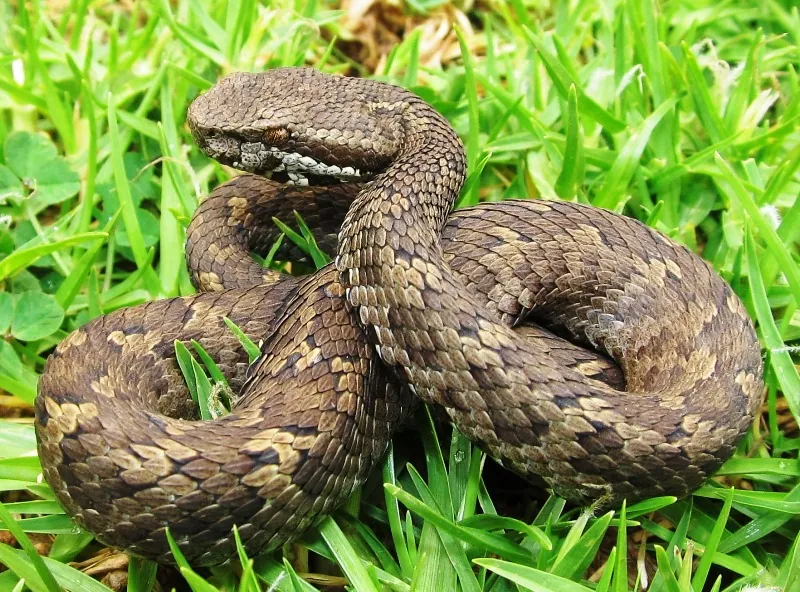
The horseshoe pit viper is a venomous snake that lives only in the Western Ghats mountains of southern India. It has a pale horseshoe-shaped mark on the back of its neck, which gives it its common name. It is special because its natural range is very small, possibly the smallest of any pit viper confirmed from India.1



 இதை எப்படி அடையாளம் காண்பது
- A pale buff, horseshoe-shaped (inverted "U") mark on the nape of the neck.1
- Pale brownish or buff body with darker grey blotches and some white streaks.1
- Small internasal scales on the snout.1
- 21 rows of smooth or weakly keeled scales along the middle of the body.1
அடிக்கடி இதனுடன் குழப்பப்படுகிறது: It is often grouped with other pit vipers of peninsular India. It can be told apart by its small internasal scales, the second upper lip scale touching the loreal pit (the heat-sensing pit between eye and nostril), 21 rows of dorsal scales at midbody, and a single row of scales between the lip scales and the eye scales.1
நஞ்சு சக்தி
கடிக்கும்போது நஞ்சு அதன் நச்சுப் பற்கள் அல்லது பற்கள் வழியாக வெளியேறும்.
மனிதர்களுக்கு இது எவ்வளவு ஆபத்தானது?
மனிதர்களுக்கு ஆபத்து: தீவிரம்கடிக்கு மருத்துவர் தேவை. இறப்புகள் மிகவும் அரிது. கடித்தால்
- அந்த நபரை அசையாமலும் அமைதியாகவும் வை, கடிபட்ட கை அல்லது காலை இதயத்தின் உயரத்தில் வை, மோதிரங்களையும் இறுக்கமானவற்றையும் கழற்று, விரைவாக மருத்துவமனைக்குச் செல்.
எப்போதும் முதலில் உன் அவசர எண்ணை (112, 000, 911) அழை. இது பொதுவான முதலுதவி வழிகாட்டல், மருத்துவ ஆலோசனை அல்ல. முதலுதவி அடிப்படைகள்
 பாதுகாப்பாக இரு
- காட்டு விலங்கை ஒருபோதும் தொடாதே, பிடிக்காதே, சீண்டாதே, அது சிறியதாக இருந்தாலும், தூங்குவது போல அல்லது இறந்தது போலத் தெரிந்தாலும்.
- அதற்கு இடம் கொடு. சந்தித்தால், அமைதியாக இரு, மெதுவாகப் பின்வாங்கு, அதை அதன் வழியில் போக விடு.
- இது உன்னைக் கடித்தால்: அமைதியாக இரு, அசையாதே, உன் அவசர எண்ணை (112, 000, 911) அழை அல்லது விரைவாக மருத்துவமனைக்குச் செல். அது எப்படி இருந்தது என்று நினைவில் வை, புகைப்படம் உதவும்.
இது உன்னைத் தேடி வரவில்லை. உணவைப் பிடிக்கவோ தன்னைக் காத்துக்கொள்ளவோ நஞ்சைப் பயன்படுத்துகிறது, ஒளிந்துகொள்வதையே அதிகம் விரும்புகிறது. பாதுகாப்பாக இருப்பது பற்றி மேலும்
இது எவ்வளவு பெரியது?
இது எவ்வளவு நீளமானது?
 வரிசையாக வைத்த 2 வாழைப்பழங்களின் நீளம்
 வரிசையாக வைத்த 12 பொம்மைக் கட்டடச் செங்கற்களின் நீளம்
 100 மீட்டரை 110 வினாடிகளில் கடக்கும் (மிக வேகமான மனிதனுக்கு 9.6 ஆகும்)
உன்னுடன் ஒப்பிடும்போது Horseshoe pit viper எவ்வளவு பெரியது?
உன் உலாவியில் சிறிய கணக்கு மட்டும். எதுவும் சேமிக்கப்படுவதில்லை, எங்கும் அனுப்பப்படுவதில்லை.
இது எவ்வளவு வேகமானது?


உண்மைகள்
கட்டுக்கதை உடைப்பான்
கட்டுக்கதை: The horseshoe pit viper is found across a wide area, including parts of the Eastern Ghats.
உண்மை: Early reports from outside the Western Ghats were misidentifications. The species is endemic to the Western Ghats, in Karnataka, Tamil Nadu and Kerala.1
உண்மைகள் எங்கிருந்து வருகின்றன
- Craspedocephalus strigatus (Wikipedia (CC BY-SA 4.0))
- Craspedocephalus strigatus (iNaturalist): பெயர்களும் வகைப்பாடும்.
- Venom Wiki: ஆபத்து நிலை, வழக்கமான அளவு, வேக ஊகம் எங்களுடையவை. நாங்கள் எப்படிக் கணக்கிடுகிறோம் என்று பார்: நாங்கள் ஆபத்தை எப்படி மதிப்பிடுகிறோம்.
இந்தப் பக்கத்தில் உள்ள ஒவ்வொரு உண்மைக்கும் அதன் ஆதாரத்தைக் காட்டும் ஒரு எண் உண்டு. நாங்கள் ஏதாவது தவறு செய்திருந்தால் மன்னிக்கவும், நாங்கள் விலங்கு ரசிகர்கள், அறிவியல் இதழ் அல்ல. [email protected]-இல் எங்களுக்குச் சொல், நாங்கள் சரிசெய்வோம்.
 தேளுக்குப் பசிக்கிறது! Venom Wiki ஒரே ஒருவரின் திட்டம்: இலவசம், விளம்பரமில்லை, கண்காணிப்பு இல்லை. ஒரு சிறிய உதவி அதை இணையத்தில் வைத்திருக்க உதவும்.தேளுக்கு உணவளி
அதே குழுவிலிருந்து மேலும்: குழி விரியன்கள்
 Brown spotted pit viper
 Habu
Habu Hump-nosed viper
 Hundred-pace viper
 Malayan pit viper
 Mamushi
இங்கும் வாழ்கிறது: ஆசியா
 Deathstalkerதேள்கள்உயிர்க்கொல்லி
 Indian cobraநாகங்கள், மாம்பாக்கள் மற்றும் கட்டுவிரியன்கள்உயிர்க்கொல்லி
 Indian saw-scaled viperவிரியன்கள்உயிர்க்கொல்லி
 King cobraநாகங்கள், மாம்பாக்கள் மற்றும் கட்டுவிரியன்கள்உயிர்க்கொல்லி
 கட்டுவிரியன் (பஃப் ஆடர்)விரியன்கள்உயிர்க்கொல்லி
 கண்ணாடி விரியன்விரியன்கள்உயிர்க்கொல்லி