
 ஆப்பிரிக்கா
 ஆசியா
ஆசியா ஐரோப்பா
 தென் அமெரிக்கா
 ஆஸ்திரேலியா மற்றும் ஓசியானியா
 அண்டார்டிகா
 பசிபிக் பெருங்கடல்
 அட்லாண்டிக் பெருங்கடல்
 இந்தியப் பெருங்கடல்
 ஆர்க்டிக் பெருங்கடல்
 மத்தியதரைக் கடல்
 செங்கடல்
 கரீபியன் கடல்
 பவளக் கடல்
 தென் சீனக் கடல்
 பிலிப்பைன்ஸ் கடல்
 அந்தமான் கடல்
 வட கடல்
 திமோர் மற்றும் அரபுரா கடல்
 வங்காள விரிகுடா
 கலிபோர்னியா வளைகுடா
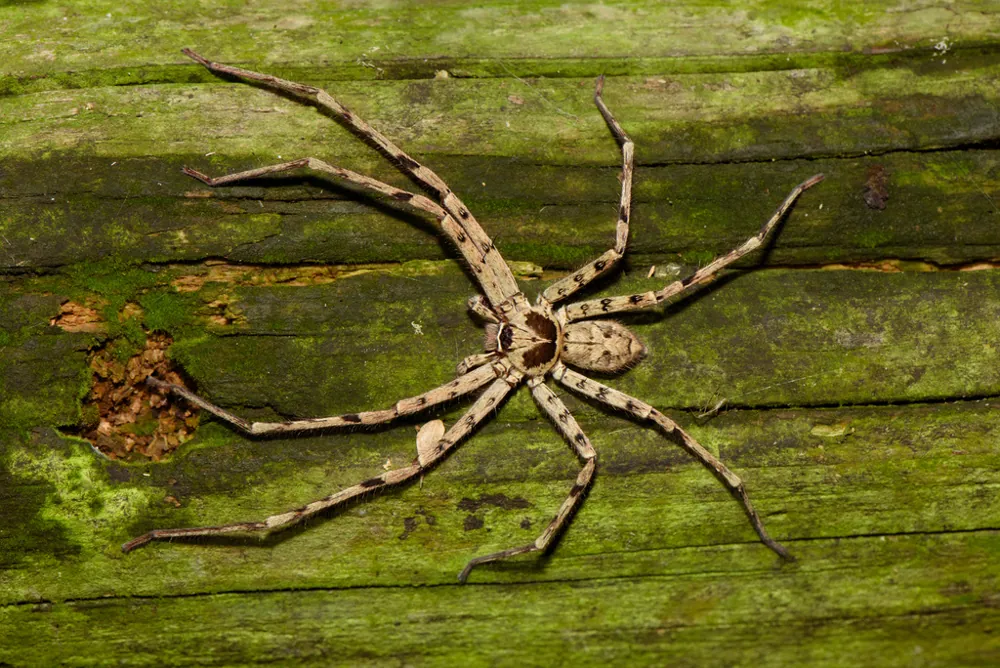
Pantropical huntsman spider
 கடிகள்
Heteropoda venatoria is a large, flat spider that hunts its prey instead of catching it in a web. It lives in tropical regions around the world and is often found in houses, barns and sheds. Its bite is painful, but it is not considered dangerous.1


 இதை எப்படி அடையாளம் காண்பது
- Adults have a flat, brown body about 2.2 to 2.8 cm long.1
- Leg span is about 7 to 10 cm.1
- The area just in front of the eyes is cream or yellowish.1
- A wide band behind the eyes is usually tan in females and cream in males.1
- The body is not very hairy, but the legs have hairs (setae), each marked with a black dot.1
அடிக்கடி இதனுடன் குழப்பப்படுகிறது: In Bermuda, where most are found indoors, it is often called a house spider, which may be confused with the southern house spider. It is sometimes called a wolf spider, which should not be confused with the true wolf spiders of the family Lycosidae.1
நஞ்சு சக்தி
கடிக்கும்போது நஞ்சு அதன் நச்சுப் பற்கள் அல்லது பற்கள் வழியாக வெளியேறும்.
இதன் நஞ்சு என்ன செய்யும்?
Its venom contains the toxin HpTX2, which is a potassium channel blocker. The venom is strong enough to cause a painful bite.1
மனிதர்களுக்கு இது எவ்வளவு ஆபத்தானது?
மனிதர்களுக்கு ஆபத்து: லேசானதுதேனீக் கொட்டு போல அல்லது அதைவிடக் குறைவு. மனிதர்களுக்குக் கிட்டத்தட்டத் தீங்கில்லாதது.The spider is not considered dangerous to people, but its bite is painful.1
 கடித்தால்
- கடித்த இடத்தைக் கழுவி வலிக்கு ஐஸ் பேக் வை. வலி கடுமையாக இருந்தாலோ பரவினாலோ அந்த நபருக்கு உடல்நலம் சரியில்லை என்றாலோ மருத்துவ உதவி பெறு.
எப்போதும் முதலில் உன் அவசர எண்ணை (112, 000, 911) அழை. இது பொதுவான முதலுதவி வழிகாட்டல், மருத்துவ ஆலோசனை அல்ல. முதலுதவி அடிப்படைகள்
 பாதுகாப்பாக இரு
- காட்டு விலங்கை ஒருபோதும் தொடாதே, பிடிக்காதே, சீண்டாதே, அது சிறியதாக இருந்தாலும், தூங்குவது போல அல்லது இறந்தது போலத் தெரிந்தாலும்.
- அதற்கு இடம் கொடு. சந்தித்தால், அமைதியாக இரு, மெதுவாகப் பின்வாங்கு, அதை அதன் வழியில் போக விடு.
- இது உன்னைக் கடித்தால்: அமைதியாக இரு, அசையாதே, உன் அவசர எண்ணை (112, 000, 911) அழை அல்லது விரைவாக மருத்துவமனைக்குச் செல். அது எப்படி இருந்தது என்று நினைவில் வை, புகைப்படம் உதவும்.
இது உன்னைத் தேடி வரவில்லை. உணவைப் பிடிக்கவோ தன்னைக் காத்துக்கொள்ளவோ நஞ்சைப் பயன்படுத்துகிறது, ஒளிந்துகொள்வதையே அதிகம் விரும்புகிறது. பாதுகாப்பாக இருப்பது பற்றி மேலும்
இது எவ்வளவு பெரியது?
இது எவ்வளவு நீளமானது?
 ஏறக்குறைய ஒரு காகித கிளிப்பின் நீளம்
 100 மீட்டரை 200 வினாடிகளில் கடக்கும் (மிக வேகமான மனிதனுக்கு 9.6 ஆகும்)
உன்னுடன் ஒப்பிடும்போது Pantropical huntsman spider எவ்வளவு பெரியது?
உன் உலாவியில் சிறிய கணக்கு மட்டும். எதுவும் சேமிக்கப்படுவதில்லை, எங்கும் அனுப்பப்படுவதில்லை.
இது எவ்வளவு வேகமானது?


உண்மைகள்
It has been known to prey on scorpions and bats, as well as insects.1
During courtship, the male makes a faint buzz or hum by vibrating its abdomen while keeping its feet firmly planted.1
It does not spin webs. It hunts its prey directly.1
Females carry their egg sacs under the body until the young are ready to emerge.1
In one small laboratory sample, males lived an average of 465 days and females an average of 580 days.1
நஞ்சு நிபுணர்களுக்கு
- அறிவியல் பெயர்
- Heteropoda venatoria
- குழு
- சிலந்திகள்
- குடும்பம்
- Sparassidae2
- வரிசை
- Araneae
- கண்டங்கள்
- ஆசியா
- குட்டிகள்
- Females carry an egg sac up to about 2.5 cm wide tucked under the body with their pedipalps. Each sac usually holds over 100 eggs, and larger sacs hold over 400. The young moult for the first time while still inside the sac.1
- மனிதர்களுக்கு ஆபத்து
- 1 / 5: லேசானது3
உண்மைகள் எங்கிருந்து வருகின்றன
- Heteropoda venatoria (Wikipedia (CC BY-SA 4.0))
- Heteropoda venatoria (iNaturalist): பெயர்களும் வகைப்பாடும்.
- Venom Wiki: ஆபத்து நிலை, வழக்கமான அளவு, வேக ஊகம் எங்களுடையவை. நாங்கள் எப்படிக் கணக்கிடுகிறோம் என்று பார்: நாங்கள் ஆபத்தை எப்படி மதிப்பிடுகிறோம்.
இந்தப் பக்கத்தில் உள்ள ஒவ்வொரு உண்மைக்கும் அதன் ஆதாரத்தைக் காட்டும் ஒரு எண் உண்டு. நாங்கள் ஏதாவது தவறு செய்திருந்தால் மன்னிக்கவும், நாங்கள் விலங்கு ரசிகர்கள், அறிவியல் இதழ் அல்ல. [email protected]-இல் எங்களுக்குச் சொல், நாங்கள் சரிசெய்வோம்.
 தேளுக்குப் பசிக்கிறது! Venom Wiki ஒரே ஒருவரின் திட்டம்: இலவசம், விளம்பரமில்லை, கண்காணிப்பு இல்லை. ஒரு சிறிய உதவி அதை இணையத்தில் வைத்திருக்க உதவும்.தேளுக்கு உணவளி
அதே குழுவிலிருந்து மேலும்: சிலந்திகள்
 Mediterranean black widow
 Diving bell spider
 European yellow sac spider
 Daddy long-legs spider
 Giant huntsman spider
 Hobo spider
இங்கும் வாழ்கிறது: ஆசியா
 Deathstalkerதேள்கள்உயிர்க்கொல்லி
 Indian cobraநாகங்கள், மாம்பாக்கள் மற்றும் கட்டுவிரியன்கள்உயிர்க்கொல்லி
 Indian saw-scaled viperவிரியன்கள்உயிர்க்கொல்லி
 King cobraநாகங்கள், மாம்பாக்கள் மற்றும் கட்டுவிரியன்கள்உயிர்க்கொல்லி
 கட்டுவிரியன் (பஃப் ஆடர்)விரியன்கள்உயிர்க்கொல்லி
 கண்ணாடி விரியன்விரியன்கள்உயிர்க்கொல்லி