
 ஆப்பிரிக்கா
 ஆசியா
ஆசியா ஐரோப்பா
 தென் அமெரிக்கா
 ஆஸ்திரேலியா மற்றும் ஓசியானியா
 அண்டார்டிகா
 பசிபிக் பெருங்கடல்
 அட்லாண்டிக் பெருங்கடல்
 இந்தியப் பெருங்கடல்
 ஆர்க்டிக் பெருங்கடல்
 மத்தியதரைக் கடல்
 செங்கடல்
 கரீபியன் கடல்
 பவளக் கடல்
 தென் சீனக் கடல்
 பிலிப்பைன்ஸ் கடல்
 அந்தமான் கடல்
 வட கடல்
 திமோர் மற்றும் அரபுரா கடல்
 வங்காள விரிகுடா
 கலிபோர்னியா வளைகுடா
Ringed caecilian
 கடிகள்
The ringed caecilian is a legless-looking amphibian that lives mostly underground in South America. It is one of the few amphibians known to feed its young with a milk-like liquid, which makes it a remarkable animal to learn about. It is also one of the caecilians with the widest known spread across the continent.1
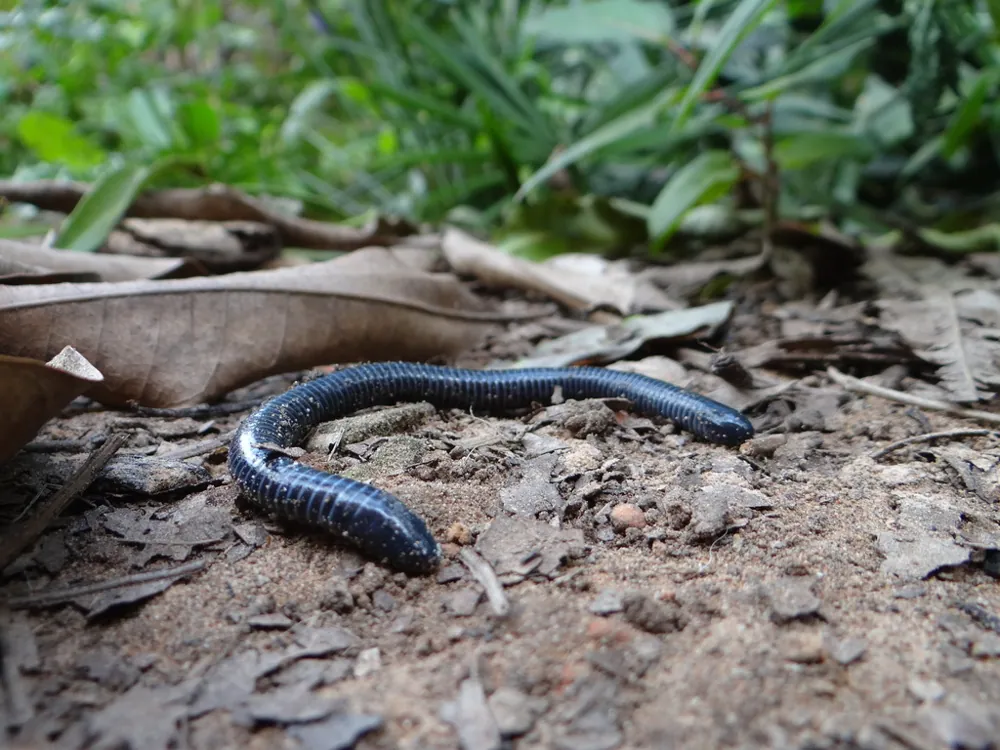
 இதை எப்படி அடையாளம் காண்பது
நஞ்சு சக்தி
கடிக்கும்போது நஞ்சு அதன் நச்சுப் பற்கள் அல்லது பற்கள் வழியாக வெளியேறும்.
இதன் நஞ்சு என்ன செய்யும்?
This animal is not venomous. Glands in the tail region are packed with noxious chemicals, similar to the poison glands of toads and newts.1
மனிதர்களுக்கு இது எவ்வளவு ஆபத்தானது?
மனிதர்களுக்கு ஆபத்து: லேசானதுதேனீக் கொட்டு போல அல்லது அதைவிடக் குறைவு. மனிதர்களுக்குக் கிட்டத்தட்டத் தீங்கில்லாதது. கடித்தால்
- யாராவது இதைத் தொட்டால்: கைகளை நன்றாகக் கழுவு, கண்களையோ வாயையோ தொடாதே. குழந்தையோ செல்லப்பிராணியோ இதை நக்கினாலோ சாப்பிட்டாலோ: நச்சு கட்டுப்பாட்டு மையத்தை அல்லது அவசர எண்ணை அழை.
எப்போதும் முதலில் உன் அவசர எண்ணை (112, 000, 911) அழை. இது பொதுவான முதலுதவி வழிகாட்டல், மருத்துவ ஆலோசனை அல்ல. முதலுதவி அடிப்படைகள்
 பாதுகாப்பாக இரு
- காட்டு விலங்கை ஒருபோதும் தொடாதே, பிடிக்காதே, சீண்டாதே, அது சிறியதாக இருந்தாலும், தூங்குவது போல அல்லது இறந்தது போலத் தெரிந்தாலும்.
- அதற்கு இடம் கொடு. சந்தித்தால், அமைதியாக இரு, மெதுவாகப் பின்வாங்கு, அதை அதன் வழியில் போக விடு.
- இது உன்னைக் கடித்தால்: அமைதியாக இரு, அசையாதே, உன் அவசர எண்ணை (112, 000, 911) அழை அல்லது விரைவாக மருத்துவமனைக்குச் செல். அது எப்படி இருந்தது என்று நினைவில் வை, புகைப்படம் உதவும்.
இது உன்னைத் தேடி வரவில்லை. உணவைப் பிடிக்கவோ தன்னைக் காத்துக்கொள்ளவோ நஞ்சைப் பயன்படுத்துகிறது, ஒளிந்துகொள்வதையே அதிகம் விரும்புகிறது. பாதுகாப்பாக இருப்பது பற்றி மேலும்
இது எவ்வளவு பெரியது?
இது எவ்வளவு நீளமானது?
 வரிசையாக வைத்த 2.5 வாழைப்பழங்களின் நீளம்
 வரிசையாக வைத்த 14 பொம்மைக் கட்டடச் செங்கற்களின் நீளம்
உன்னுடன் ஒப்பிடும்போது Ringed caecilian எவ்வளவு பெரியது?
உன் உலாவியில் சிறிய கணக்கு மட்டும். எதுவும் சேமிக்கப்படுவதில்லை, எங்கும் அனுப்பப்படுவதில்லை.
இது எவ்வளவு வேகமானது?


உண்மைகள்
Mothers and young share an unusual feeding habit: the young scrape off the mother's outer skin in one feeding session of about seven minutes, then the mother rests for three days while she grows a new skin layer.1
Hatchlings make high-pitched clicking sounds when they approach their mothers for milk, a behaviour unique among amphibians.1
Glands on its head produce a slippery mucus that may help it burrow.1
நஞ்சு நிபுணர்களுக்கு
- அறிவியல் பெயர்
- Siphonops annulatus
- குழு
- நச்சுத் தவளைகள், தேரைகள், நியூட்டுகள்
- குடும்பம்
- Siphonopidae2
- வரிசை
- Gymnophiona
- கண்டங்கள்
- தென் அமெரிக்கா
- குட்டிகள்
- Eggs are laid between November and December. The hatchlings feed on their mother's outer skin and on a milk-like liquid she produces.1
- மனிதர்களுக்கு ஆபத்து
- 1 / 5: லேசானது3
உண்மைகள் எங்கிருந்து வருகின்றன
- Siphonops annulatus (Wikipedia (CC BY-SA 4.0))
- Siphonops annulatus (iNaturalist): பெயர்களும் வகைப்பாடும்.
- Venom Wiki: ஆபத்து நிலை, வழக்கமான அளவு, வேக ஊகம் எங்களுடையவை. நாங்கள் எப்படிக் கணக்கிடுகிறோம் என்று பார்: நாங்கள் ஆபத்தை எப்படி மதிப்பிடுகிறோம்.
இந்தப் பக்கத்தில் உள்ள ஒவ்வொரு உண்மைக்கும் அதன் ஆதாரத்தைக் காட்டும் ஒரு எண் உண்டு. நாங்கள் ஏதாவது தவறு செய்திருந்தால் மன்னிக்கவும், நாங்கள் விலங்கு ரசிகர்கள், அறிவியல் இதழ் அல்ல. [email protected]-இல் எங்களுக்குச் சொல், நாங்கள் சரிசெய்வோம்.
 தேளுக்குப் பசிக்கிறது! Venom Wiki ஒரே ஒருவரின் திட்டம்: இலவசம், விளம்பரமில்லை, கண்காணிப்பு இல்லை. ஒரு சிறிய உதவி அதை இணையத்தில் வைத்திருக்க உதவும்.தேளுக்கு உணவளி
அதே குழுவிலிருந்து மேலும்: நச்சுத் தவளைகள், தேரைகள், நியூட்டுகள்
 Golden poison frogநச்சுத் தவளைகள், தேரைகள், நியூட்டுகள்உயிர்க்கொல்லிதொடாதே
 Cane toadநச்சுத் தவளைகள், தேரைகள், நியூட்டுகள்மருத்துவர் தேவைதொடாதே
 Dyeing poison dart frogநச்சுத் தவளைகள், தேரைகள், நியூட்டுகள்வலிக்கும் மட்டும்தொடாதே
 Black-legged poison frogநச்சுத் தவளைகள், தேரைகள், நியூட்டுகள்கொல்லக்கூடும்தொடாதே
 Bruno's casque-headed frogநச்சுத் தவளைகள், தேரைகள், நியூட்டுகள்மருத்துவர் தேவைதொடாதே
 Harlequin poison frogநச்சுத் தவளைகள், தேரைகள், நியூட்டுகள்மருத்துவர் தேவைதொடாதே
 Terciopelo
 Brazilian wandering spider
 Eyelash viper
 Golden lancehead
 South American bushmaster
 Peruvian giant centipede