
 ஆப்பிரிக்கா
 ஆசியா
ஆசியா ஐரோப்பா
 தென் அமெரிக்கா
 ஆஸ்திரேலியா மற்றும் ஓசியானியா
 அண்டார்டிகா
 பசிபிக் பெருங்கடல்
 அட்லாண்டிக் பெருங்கடல்
 இந்தியப் பெருங்கடல்
 ஆர்க்டிக் பெருங்கடல்
 மத்தியதரைக் கடல்
 செங்கடல்
 கரீபியன் கடல்
 பவளக் கடல்
 தென் சீனக் கடல்
 பிலிப்பைன்ஸ் கடல்
 அந்தமான் கடல்
 வட கடல்
 திமோர் மற்றும் அரபுரா கடல்
 வங்காள விரிகுடா
 கலிபோர்னியா வளைகுடா
Variable harlequin toad
 தோலில் நச்சுசாப்பிடுவது: பூச்சிகள்நச்சுடையது, நஞ்சு செலுத்துவதில்லை
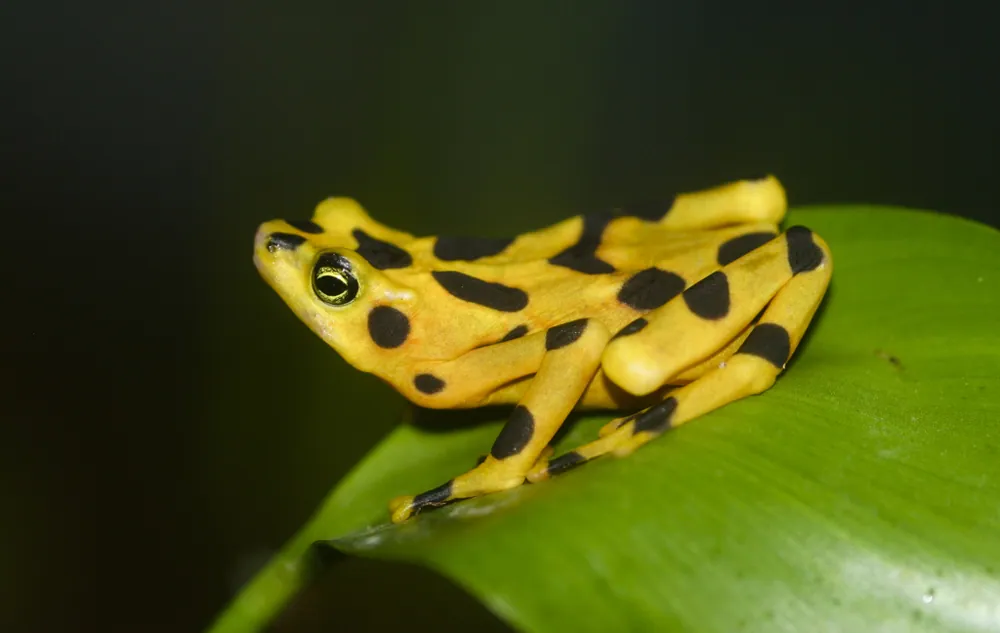
The variable harlequin toad is a small, brightly coloured toad from the forests of Central America. It lives on rocks and in crevices beside streams. It is critically endangered, which means it is at very high risk of disappearing from the wild.1
 இதை எப்படி அடையாளம் காண்பது
நச்சு சக்தி
இதன் தோல் நச்சுடையது. தொடுவதும் நக்குவதும் சாப்பிடுவதும் ஆபத்தானது.
இதன் நச்சு என்ன செய்யும்?
This animal is poisonous rather than venomous, so it does not bite or sting. Its skin contains tetrodotoxin, a potent neurotoxin (a poison that attacks the nerves).1
மனிதர்களுக்கு இது எவ்வளவு ஆபத்தானது?
மனிதர்களுக்கு ஆபத்து: வலி தருவதுமிகவும் வலிக்கலாம், ஆனால் கிட்டத்தட்ட ஒருபோதும் தீவிரமாகாது.பயப்படும்போது இது என்ன செய்யும்?
Its bright, conspicuous colours warn predators that its skin is toxic.1
 யாராவது இதைத் தொட்டால் அல்லது சாப்பிட்டால்
- யாராவது இதைத் தொட்டால்: கைகளை நன்றாகக் கழுவு, கண்களையோ வாயையோ தொடாதே. குழந்தையோ செல்லப்பிராணியோ இதை நக்கினாலோ சாப்பிட்டாலோ: நச்சு கட்டுப்பாட்டு மையத்தை அல்லது அவசர எண்ணை அழை.
எப்போதும் முதலில் உன் அவசர எண்ணை (112, 000, 911) அழை. இது பொதுவான முதலுதவி வழிகாட்டல், மருத்துவ ஆலோசனை அல்ல. முதலுதவி அடிப்படைகள்
 பாதுகாப்பாக இரு
- காட்டு விலங்கை ஒருபோதும் தொடாதே, பிடிக்காதே, சீண்டாதே, அது சிறியதாக இருந்தாலும், தூங்குவது போல அல்லது இறந்தது போலத் தெரிந்தாலும்.
- அதற்கு இடம் கொடு. சந்தித்தால், அமைதியாக இரு, மெதுவாகப் பின்வாங்கு, அதை அதன் வழியில் போக விடு.
- நீ இதைத் தொட்டாலோ சாப்பிட்டாலோ: கண்களையோ வாயையோ தேய்க்காதே, கைகளைக் கழுவு, மருத்துவ உதவி பெறு.
இது உன்னைத் தேடி வரவில்லை. யாரும் இதைச் சாப்பிடாமல் இருப்பதற்காக மட்டுமே இதன் நச்சு இருக்கிறது. பாதுகாப்பாக இருப்பது பற்றி மேலும்
இது எவ்வளவு பெரியது?
இது எவ்வளவு நீளமானது?
 ஏறக்குறைய ஒரு காகித கிளிப்பின் நீளம்
 100 மீட்டரை 180 வினாடிகளில் கடக்கும் (மிக வேகமான மனிதனுக்கு 9.6 ஆகும்)
உன்னுடன் ஒப்பிடும்போது Variable harlequin toad எவ்வளவு பெரியது?
உன் உலாவியில் சிறிய கணக்கு மட்டும். எதுவும் சேமிக்கப்படுவதில்லை, எங்கும் அனுப்பப்படுவதில்லை.
இது எவ்வளவு வேகமானது?


உண்மைகள்
Its only known predator is a parasitic fly, Notochaeta bufonivora. The fly lays larvae on the frog's thigh, and the larvae burrow inside and eat the frog from within.1
A census between 1990 and 1992 near Monteverde, Costa Rica, found zero individuals where the population had once peaked at 751 adults.1
By 1996 it was believed to be extinct throughout Costa Rica, but a 2019 assessment found two subpopulations in the country.1
It was rediscovered near Quepos, Costa Rica, in 2003.1
The chytrid fungus Batrachochytrium dendrobatidis can spread between individuals through shed skin cells and harms the skin, which affects breathing and the balance of water and salts in the body.1
In March 2021 the species was bred in captivity outside Panama for the first time.1
உண்மைகள் எங்கிருந்து வருகின்றன
- Atelopus varius (Wikipedia (CC BY-SA 4.0))
- Atelopus varius (iNaturalist): பெயர்களும் வகைப்பாடும்.
- Venom Wiki: ஆபத்து நிலை, வழக்கமான அளவு, வேக ஊகம் எங்களுடையவை. நாங்கள் எப்படிக் கணக்கிடுகிறோம் என்று பார்: நாங்கள் ஆபத்தை எப்படி மதிப்பிடுகிறோம்.
இந்தப் பக்கத்தில் உள்ள ஒவ்வொரு உண்மைக்கும் அதன் ஆதாரத்தைக் காட்டும் ஒரு எண் உண்டு. நாங்கள் ஏதாவது தவறு செய்திருந்தால் மன்னிக்கவும், நாங்கள் விலங்கு ரசிகர்கள், அறிவியல் இதழ் அல்ல. [email protected]-இல் எங்களுக்குச் சொல், நாங்கள் சரிசெய்வோம்.
 தேளுக்குப் பசிக்கிறது! Venom Wiki ஒரே ஒருவரின் திட்டம்: இலவசம், விளம்பரமில்லை, கண்காணிப்பு இல்லை. ஒரு சிறிய உதவி அதை இணையத்தில் வைத்திருக்க உதவும்.தேளுக்கு உணவளி
அதே குழுவிலிருந்து மேலும்: நச்சுத் தவளைகள், தேரைகள், நியூட்டுகள்
 Cane toadநச்சுத் தவளைகள், தேரைகள், நியூட்டுகள்மருத்துவர் தேவைதொடாதே
 Strawberry poison-dart frogநச்சுத் தவளைகள், தேரைகள், நியூட்டுகள்வலிக்கும் மட்டும்தொடாதே
 California newtநச்சுத் தவளைகள், தேரைகள், நியூட்டுகள்கொல்லக்கூடும்தொடாதே
 Rough-skinned newtநச்சுத் தவளைகள், தேரைகள், நியூட்டுகள்கொல்லக்கூடும்தொடாதே
 Colorado River toadநச்சுத் தவளைகள், தேரைகள், நியூட்டுகள்மருத்துவர் தேவைதொடாதே
 Panamanian golden frogநச்சுத் தவளைகள், தேரைகள், நியூட்டுகள்மருத்துவர் தேவைதொடாதே
இங்கும் வாழ்கிறது: வட அமெரிக்கா
 Terciopeloகுழி விரியன்கள்உயிர்க்கொல்லி
 Eastern coral snakeபவளப் பாம்புகள்கொல்லக்கூடும்
 Eastern diamondback rattlesnakeகிலுகிலுப்பைப் பாம்புகள்கொல்லக்கூடும்
 Eyelash viperகுழி விரியன்கள்கொல்லக்கூடும்
 Timber rattlesnakeகிலுகிலுப்பைப் பாம்புகள்கொல்லக்கூடும்
 Western diamondback rattlesnakeகிலுகிலுப்பைப் பாம்புகள்கொல்லக்கூடும்