
 แอฟริกา
 เอเชีย
 ยุโรป
ยุโรป อเมริกาใต้
 ออสเตรเลียและโอเชียเนีย
 แอนตาร์กติกา
 มหาสมุทรแปซิฟิก
 มหาสมุทรแอตแลนติก
 มหาสมุทรอินเดีย
 มหาสมุทรอาร์กติก
 ทะเลเมดิเตอร์เรเนียน
 ทะเลแดง
 ทะเลแคริบเบียน
 ทะเลคอรัล
 ทะเลจีนใต้
 ทะเลฟิลิปปิน
 ทะเลอันดามัน
 ทะเลเหนือ
 ทะเลติมอร์และอาราฟูรา
 อ่าวเบงกอล
 อ่าวแคลิฟอร์เนีย
Western harvester ant
 การต่อย
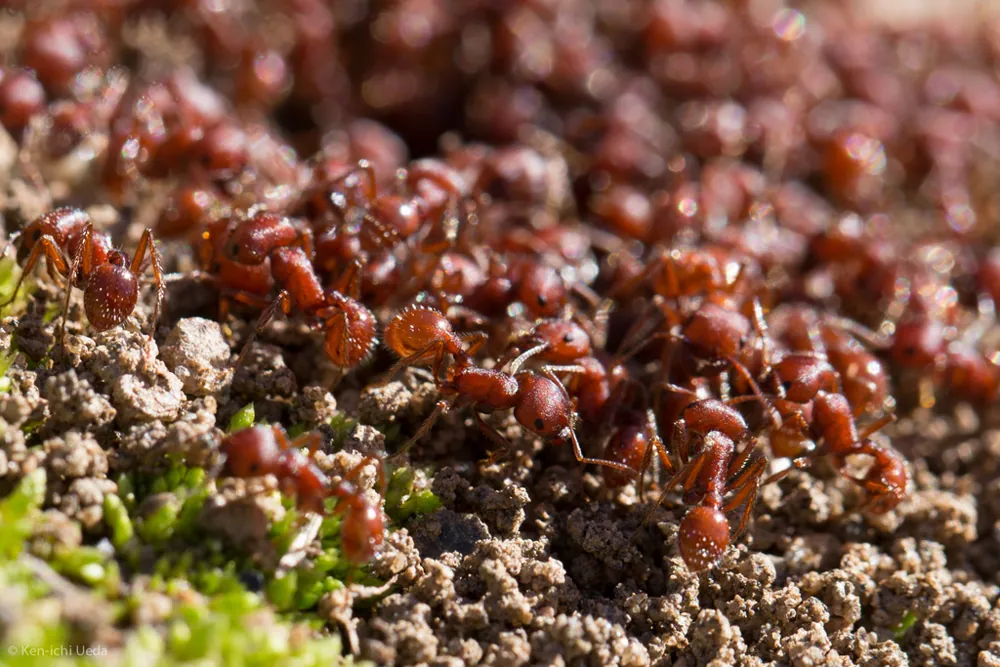
The western harvester ant is a species of ant that lives in the dry deserts and grasslands of the American West and Canada. It gets its name from collecting seeds to eat. It has a painful, venomous sting, and large colonies can damage grazing land.1



 วิธีสังเกต
พลังพิษ
พิษออกมาทางเหล็กใน
พิษของมันทำอะไร?
The sting is venomous and painful.1
อันตรายต่อคนแค่ไหน?
อันตรายต่อคน: เจ็บปวดอาจเจ็บมาก แต่แทบไม่เคยรุนแรงIts sting is painful. Where there are many colonies, they can cause such loss of grazing plants and seeds that they are a severe ecological and economic burden.1
 ถ้ามันต่อย
- ล้างและประคบเย็นแผลถูกต่อย
- ถ้าผู้บาดเจ็บหายใจลำบาก หน้าหรือคอบวม หรือรู้สึกจะเป็นลม นี่คือภาวะแพ้รุนแรงฉุกเฉิน: โทรเบอร์ฉุกเฉิน
โทรหาเบอร์ฉุกเฉินก่อนเสมอ (112, 000, 911) นี่คือคำแนะนำการปฐมพยาบาลทั่วไป ไม่ใช่คำแนะนำทางการแพทย์ พื้นฐานการปฐมพยาบาล
 ปลอดภัยไว้
- อย่าจับ อย่าไล่จับ อย่าแหย่สัตว์ป่าเด็ดขาด แม้ตัวเล็ก และแม้ดูเหมือนหลับหรือตายแล้ว
- เว้นระยะให้มัน ถ้าเจอ ใจเย็น ๆ ค่อย ๆ ถอยออกมา แล้วปล่อยให้มันไปตามทางของมัน
- ถ้ามันต่อยเธอ: ใจเย็น อยู่นิ่ง ๆ โทรเบอร์ฉุกเฉิน (112, 000, 911) หรือรีบไปโรงพยาบาล จำว่ามันหน้าตาเป็นอย่างไร มีรูปจะช่วยได้มาก
มันไม่ได้ตั้งใจมาทำร้ายเธอ มันใช้พิษเพื่อจับอาหารหรือป้องกันตัว และชอบหลบซ่อนมากกว่า เพิ่มเติมเรื่องความปลอดภัย
อยู่ที่ไหนในโลก?
ตัวใหญ่แค่ไหน?
มันยาวแค่ไหน?
 เล็กจนนั่งบนเล็บเธอได้
Western harvester antตัวใหญ่แค่ไหนเมื่อเทียบกับเธอ?
แค่คำนวณในเบราว์เซอร์ของเธอ ไม่มีอะไรถูกบันทึกหรือส่งไปที่ไหน
มันเร็วแค่ไหน?


ข้อเท็จจริง
Mounds are surrounded by bare ground, so they do not burn during fires.1
A mature colony can have up to 20,000 workers and one queen, and its nest can reach 5 metres (16 ft) deep.1
Honey ants (Myrmecocystus mexicanus) often nest close to western harvester ant colonies and feed on dead or dying workers.1
A queen mates with 2 to 11 different males, with an average of 6.3.1
Workers usually change their jobs as they age, and they forage towards the ends of their lives. A worker lives for an average of six months.1
In cooler months, workers forage throughout the day. In summer they forage only from 5–11 am and 3–9 pm.1
สำหรับผู้เชี่ยวชาญเรื่องพิษ
ข้อมูลมาจากไหน
- Pogonomyrmex occidentalis (Wikipedia (CC BY-SA 4.0))
- Pogonomyrmex occidentalis (iNaturalist): ชื่อและการจำแนก
- Venom Wiki: ระดับอันตราย ขนาดทั่วไป และความเร็วโดยประมาณเป็นของเราเอง ดูวิธีที่เราคิดได้: เราประเมินอันตรายอย่างไร.
ข้อมูลทุกข้อในหน้านี้มีตัวเลขบอกแหล่งที่มา ถ้าเราผิดพลาด ขอโทษนะ เราเป็นคนรักสัตว์ ไม่ใช่วารสารวิทยาศาสตร์ บอกเราที่ [email protected] แล้วเราจะแก้ไข
 แมงป่องหิวแล้ว! Venom Wiki เป็นโปรเจกต์ของคนคนเดียว: ฟรี ไม่มีโฆษณา ไม่มีตัวติดตาม ทิปเล็ก ๆ ช่วยให้เว็บยังออนไลน์อยู่ให้อาหารแมงป่อง
 Bullet ant
 Army ant
 Maricopa harvester ant
 Trap-jaw ant
 Acacia ant
 California harvester ant
 งูเทอร์ซิโอเปโล
 Eastern coral snake
 Eastern diamondback rattlesnake
 Eyelash viper
 Timber rattlesnake
 Western diamondback rattlesnake