
 Aprika
 Asya
Asya Europa
 Timog Amerika
 Australia at Oceania
 Antarctica
 Karagatang Pasipiko
 Karagatang Atlantiko
 Karagatang Indiyano
 Karagatang Artiko
 Dagat Mediteraneo
 Dagat Pula
 Dagat Caribe
 Dagat Coral
 Dagat Timog Tsina
 Dagat Pilipinas
 Dagat Andaman
 Dagat Hilaga
 Dagat Timor at Arafura
 Look ng Bengal
 Golpo ng California
Dugite
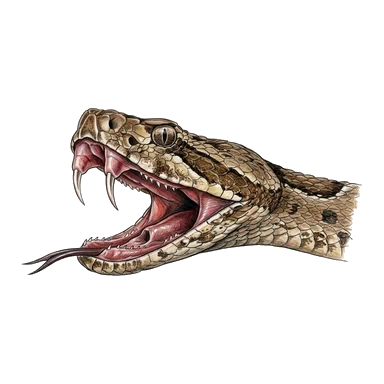 Mga kagat
The dugite is a highly venomous snake found in southern Western Australia and in remote coastal parts of western South Australia. Its venom is potentially one of the most lethal in the world, so it is a snake to treat with great respect. It is common in and around Perth, where it often shelters near buildings.1
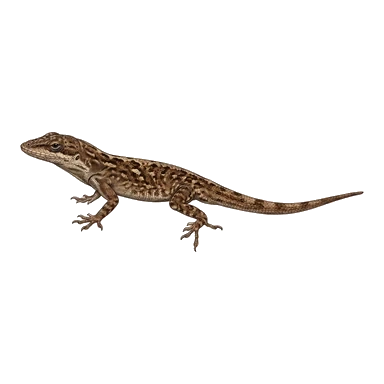

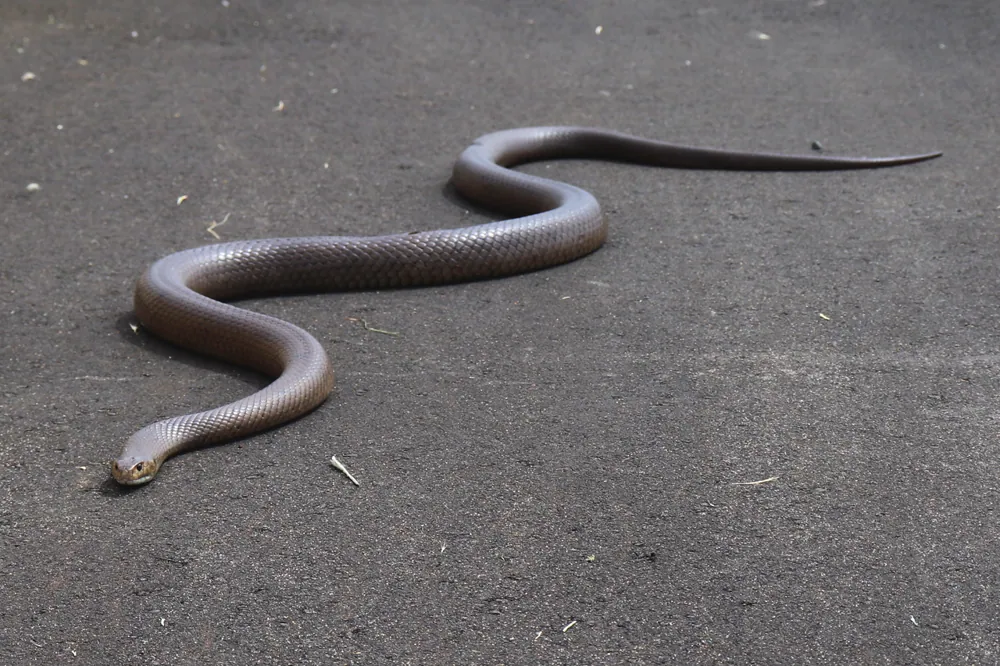
 Paano ito makikilala
- Coloured grey, green or brown, but the colours vary widely between individuals, so colour alone is not a reliable guide.1
- Black scales may be scattered over the body.1
- Relatively large scales with a semi-glossy look.1
- The head is rather small and not clearly separate from the neck.1
- Long and slender body, typically about 1.5 metres in total length.1
Lakas ng kamandag
Lumalabas ang kamandag sa pangil o ngipin nito kapag nangangagat ito.
Ano ang epekto ng kamandag nito?
The venom has coagulopathic and procoagulant effects, meaning it disturbs the way blood clots. It is potentially one of the most lethal venoms in the world. In a 2011 case, a boy bitten by a dugite was temporarily paralysed, showing that the venom can affect the nerves and muscles as well as the blood.1
Gaano ito kapanganib sa tao?
Panganib sa tao: NapakapanganibKaya nitong pumatay ng taong hindi nagamot.Dugites are potentially lethal. They generally avoid biting people, but the risk of encounters rises during the mating season in October and November. The last recorded human death attributed to a dugite was in August 2015 in South Fremantle. In 2011 a seven-year-old boy was bitten and temporarily paralysed, and he made a full recovery.1
 Magandang balita: may gamot (antivenom) o gamutan ang mga doktor para dito.1
Ano ang ginagawa nito kapag natatakot?
When disturbed they are very shy and often slither away, but they will defend themselves if cornered.1
 Kung kumagat ito
- Prompt medical attention is essential after a bite. In a December 2020 case, a three-year-old girl bitten by a snake believed to be a dugite was quickly immobilised by her grandmother, who wrapped her legs in pressure bandages. She was treated with antivenom in hospital and made a full recovery.1
- Pressure immobilisation: balutin nang mahigpit ng elastic bandage ang kagat at pataas sa buong braso o binti, lagyan ng splint, at panatilihing ganap na hindi gumagalaw ang tao hanggang dumating ang tulong.
- Huwag hugasan ang kagat: masusuri ng ospital ang kamandag na naiwan sa balat para mapili ang tamang antivenom.
Laging tawagan muna ang numero pang-emergency (112, 000, 911). Ito ay pangkalahatang gabay sa pangunang lunas, hindi payong medikal. Mga batayan ng pangunang lunas
 Mag-ingat
- Huwag kailanman hawakan, hulihin o asarin ang ligaw na hayop, kahit maliit, at kahit mukha itong tulog o patay.
- Bigyan ito ng espasyo. Kung makasalubong ka ng isa, manatiling kalmado, dahan-dahang umatras at hayaan itong umalis.
- Kung kagatin ka ng isa: manatiling kalmado, huwag gumalaw, tawagan ang numero pang-emergency (112, 000, 911) o pumunta agad sa ospital. Tandaan ang itsura nito, makakatulong ang litrato.
Hindi ka nito hinahabol. Ginagamit nito ang kamandag para manghuli ng pagkain o ipagtanggol ang sarili, at mas gusto pa nitong magtago. Higit pa tungkol sa pag-iingat
Gaano ito kalaki?
Gaano ito kahaba?
 kasinghaba ng 4 pusang bahay mula ilong hanggang buntot
 kasinghaba ng 11 saging na magkakadugtong
 kayang tapusin ang 100 metro sa loob ng 46 segundo (9.6 ang kailangan ng pinakamabilis na tao)
Gaano kalaki si Dugite kumpara sa IYO?
Math lang sa browser mo. Walang sine-save o ipinapadala kahit saan.
Gaano ito kabilis?


Mga fact
Its venom is potentially one of the most lethal in the world.1
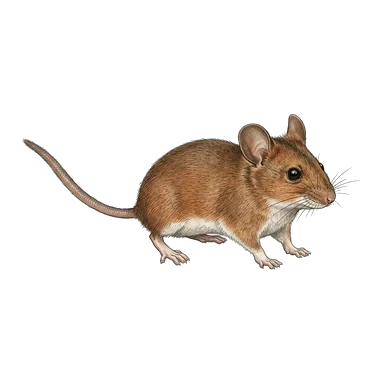
Dugites have become more common because of the house mouse, which is one of their main foods.1
Dugites can lay two clutches of eggs in the same season when conditions are good.1
The Irish activist John Boyle O'Reilly wrote a poem called The Dukite Snake, published in his 1878 collection Songs, Legends and Ballads, based on a bushman's myth.1
In winter, dugites burrow.1
Myth buster
Mito: Dugites are aggressive and will chase people.
Totoo: Dugites are very shy and usually slither away when disturbed. They generally avoid biting people, but they will defend themselves if cornered.1
Para sa mga eksperto sa kamandag
- Pangalang siyentipiko
- Pseudonaja affinis
- Grupo
- Mga ahas ng Australia
- Pamilya
- Elapidae2
- Ayos
- Squamata
- Mga kontinente
- Australia at Oceania
- Mga sanggol
- Dugites lay eggs, typically around 30 at a time, and leave them to hatch on their own after about 65 days. Under good conditions, they can lay two clutches in one season.1
- Panganib sa tao
- 4 / 5: Napakapanganib3
Saan galing ang mga fact
- Dugite (Wikipedia (CC BY-SA 4.0))
- Pseudonaja affinis (iNaturalist): mga pangalan at klasipikasyon.
- Venom Wiki: sarili naming tantiya ang antas ng panganib, karaniwang laki at hula sa bilis. Tingnan kung paano namin ito kinukuwenta: Paano namin sinusukat ang panganib.
Bawat fact sa pahinang ito ay may numerong tumuturo sa pinagmulan nito. Kung may mali kami, pasensya na, mahilig lang kami sa hayop, hindi kami science journal. Sabihin sa amin sa [email protected] at aayusin namin.
 Gutom ang alakdan! Ang Venom Wiki ay proyekto ng iisang tao: libre, walang ads at walang trackers. Nakatutulong ang maliit na tip para manatili itong online.Pakainin ang alakdan
Higit pa mula sa parehong grupo: Mga ahas ng Australia
 Coastal taipan
 Common death adder
 Eastern brown snake
 Inland taipan
 Ahas-tigre
 Collett's snake
.png)
Nakatira rin sa: Australia at Oceania
 Sydney funnel-web spiderMga tarantula at funnel-webNakamamatay
 Redback spiderMga gagambaKailangan ng doktor
 Brown tree snakeMga ahas na nasa likod ang pangilMasakit lang
 Hooded pitohuiIba pang nakalalasong hayopMasakit langHuwag hawakan
 PlatypusMga makamandag na mammalMasakit lang
 Northern tree-dwelling funnel-web spiderMga tarantula at funnel-webNakamamatay