
 Afrika
 Asya
Asya Avrupa
 Güney Amerika
 Avustralya ve Okyanusya
 Antarktika
 Pasifik Okyanusu
 Atlas Okyanusu
 Hint Okyanusu
 Arktik Okyanusu
 Akdeniz
 Kızıldeniz
 Karayip Denizi
 Mercan Denizi
 Güney Çin Denizi
 Filipin Denizi
 Andaman Denizi
 Kuzey Denizi
 Timor ve Arafura Denizi
 Bengal Körfezi
 Kaliforniya Körfezi
Common krait
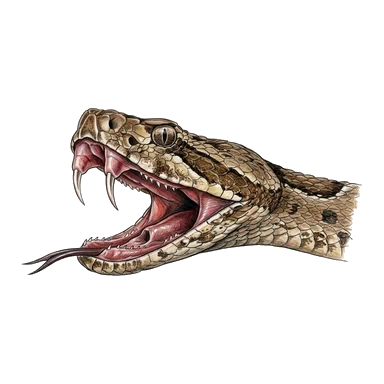 Isırır
The common krait is a highly venomous snake that lives across South Asia. It is shiny black or bluish-black with thin white crossbands. It causes more medically significant snakebites in the Indian subcontinent than any other snake, so knowing what it looks like matters.1
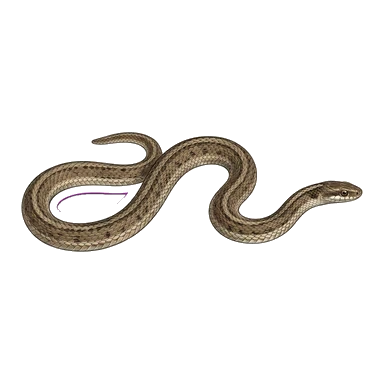
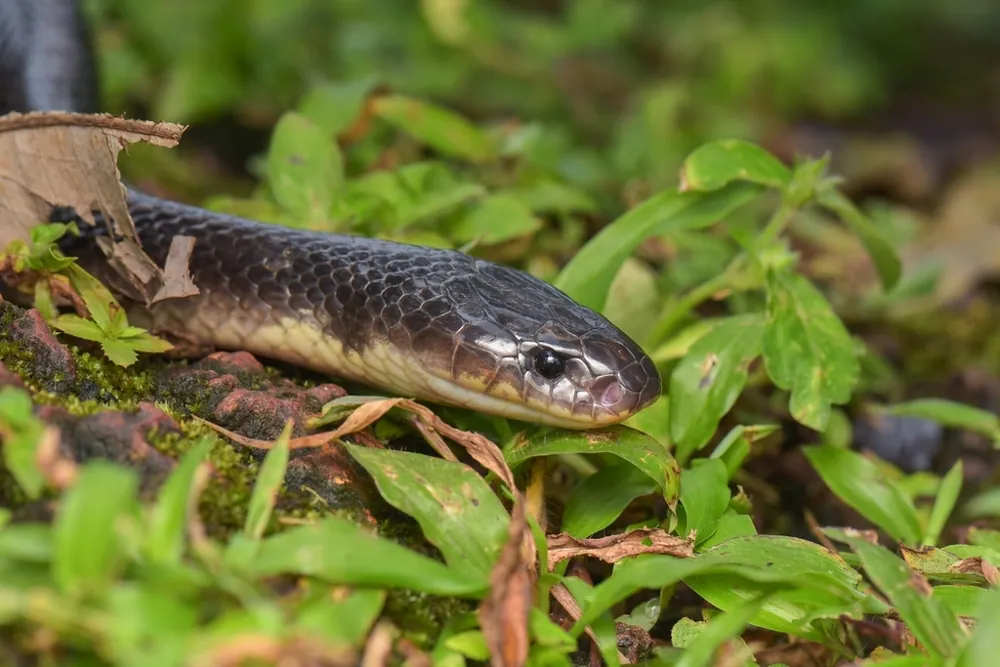
 Nasıl tanınır
- Body is generally black or bluish-black.1
- About 40 thin, white crossbars run along the body. They may be faint or missing near the head in adults.1
- Young snakes have clear, well-defined crossbands, even near the head.1
- Older snakes may show the white lines as a series of connected spots.1
- The head is flat, the neck is hardly visible, and the tail is short and rounded.1
Zehir gücü
Zehir, ısırdığında zehir dişlerinden ya da dişlerinden çıkar.
Zehri ne yapar?
Its venom is neurotoxic, meaning it attacks the nerves. It blocks signals between nerves and muscles, which leads to progressive paralysis. Victims often have severe abdominal cramps and shortness of breath. Death from respiratory failure, meaning the breathing muscles stop working, may follow in about 4 to 8 hours if untreated.1
İnsanlar için ne kadar tehlikeli?
İnsanlar için tehlike: ÖlümcülDünyanın en tehlikeli hayvanlarından biri.It is responsible for the majority of medically significant snakebites in the Indian subcontinent. A clinical toxicology study reports an untreated mortality rate of 70 to 80 per cent. Bites often happen at night, when people are sleeping on the ground. The bite may cause little or no pain, which can delay treatment.1
 İyi haber: doktorların bunun için bir ilacı (panzehir) ya da tedavisi var.1
Korkunca ne yapar?
When threatened, it coils tightly with its head tucked underneath, may flatten its body, or makes sudden movements as a warning. It rarely bites unless provoked, but it can be more aggressive at night if disturbed.1
 Isırırsa
- The main treatment is antivenom given in hospital. It should be given promptly, because it becomes less effective once paralysis has set in. Get medical help straight away after any suspected bite, even if there is little pain or swelling.1
- Kişiyi hareketsiz ve sakin tut, yüzükleri ve sıkı şeyleri çıkar ve hemen hastaneye götür: tedavi panzehirdir.
Her zaman önce acil durum numaranı ara (112, 000, 911). Bu genel bir ilk yardım rehberidir, tıbbi tavsiye değildir. İlk yardımın temelleri
 Güvende kal
- Vahşi bir hayvana asla dokunma, onu yakalama ya da kızdırma, küçük olsa bile ve uyuyor ya da ölü görünse bile.
- Ona yer aç. Biriyle karşılaşırsan sakin kal, yavaşça geri çekil ve kendi yoluna gitmesine izin ver.
- Bunlardan biri seni ısırırsa: sakin kal, kıpırdama, acil durum numaranı ara (112, 000, 911) ya da hemen hastaneye git. Neye benzediğini aklında tut, fotoğraf işe yarar.
Senin peşinde değil. Zehrini yiyecek yakalamak ya da kendini korumak için kullanır ve saklanmayı çok daha çok tercih eder. Güvende kalmak hakkında daha fazlası
Dünyanın neresinde?
Ne kadar büyük?
Ne kadar uzun?
 burundan kuyruğa dizilmiş 4 ev kedisi uzunluğunda
 uç uca dizilmiş 10 muz uzunluğunda
 100 metreyi 52 saniyede koşabilirdi (en hızlı insan için 9,6)
Common krait, SENİNLE karşılaştırınca ne kadar büyük?
Tarayıcında sadece biraz matematik. Hiçbir şey kaydedilmez ya da bir yere gönderilmez.
Ne kadar hızlı?


Bilgiler
A bite from this snake often causes little or no pain and almost no swelling or bleeding, which can make it hard to find the bite mark.1
Its venom is one of the most potent of any Indian snake, and the estimated lethal dose for a human is 2 to 3 mg.1
Its venom contains no clotting or tissue-destroying agents, which is why there is no local damage at the bite site.1
Neostigmine, a drug that works against cobra venom, does not work against common krait venom.1
It is mostly active at night and rarely meets people during the day.1
Its stable population has been helped by its ability to adapt to farmland and villages.1
Efsane avcısı
Efsane: A bite that does not hurt is harmless.
Gerçek: The bite often causes little pain, but severe paralysis and breathing failure can follow. The lack of pain can give false reassurance.1
Zehir uzmanları için
- Bilimsel adı
- Bungarus caeruleus
- Grup
- Kobralar, mambalar ve kraitler
- Aile
- Elapidae2
- Takım
- Squamata
- Kıtalar
- Asya
- Yavrular
- It lays 5 to 15 eggs in leaf litter or burrows. The female guards the eggs until they hatch after about 60 days. Hatchlings are fully independent and already carry venom.1
- İnsanlar için tehlike
- 5 / 5: Ölümcül3
Bilgiler nereden geliyor
- Common krait (Wikipedia (CC BY-SA 4.0))
- Bungarus caeruleus (iNaturalist): isimler ve sınıflandırma.
- Venom Wiki: tehlike seviyesi, tipik boyut ve hız tahmini bize ait. Nasıl hesapladığımızı gör: Tehlikeyi nasıl puanlıyoruz.
Bu sayfadaki her bilginin, kaynağını gösteren bir numarası var. Bir şeyi yanlış yazdıysak özür dileriz, biz bilim dergisi değil, hayvan hayranıyız. [email protected] adresinden bize yaz, düzeltelim.
 Akrep acıktı! Venom Wiki tek kişilik bir proje: ücretsiz, reklamsız ve takipsiz. Küçük bir bahşiş onun yayında kalmasına yardım eder.Akrebi besle
Aynı gruptan diğerleri: Kobralar, mambalar ve kraitler
 Indian cobraKobralar, mambalar ve kraitlerÖlümcül
 King cobraKobralar, mambalar ve kraitlerÖlümcül
 Caspian cobraKobralar, mambalar ve kraitlerÖlümcül
 Malayan kraitKobralar, mambalar ve kraitlerÖlümcül
 Many-banded kraitKobralar, mambalar ve kraitlerÖlümcül
 Monocled cobraKobralar, mambalar ve kraitlerÖlümcül
 Deathstalker
 Indian saw-scaled viper
 Puff adder
 Russell engereği
 Asian giant hornet
 Komodo dragon