
 Afrika
 Asya
Asya Avrupa
 Güney Amerika
 Avustralya ve Okyanusya
 Antarktika
 Pasifik Okyanusu
 Atlas Okyanusu
 Hint Okyanusu
 Arktik Okyanusu
 Akdeniz
 Kızıldeniz
 Karayip Denizi
 Mercan Denizi
 Güney Çin Denizi
 Filipin Denizi
 Andaman Denizi
 Kuzey Denizi
 Timor ve Arafura Denizi
 Bengal Körfezi
 Kaliforniya Körfezi
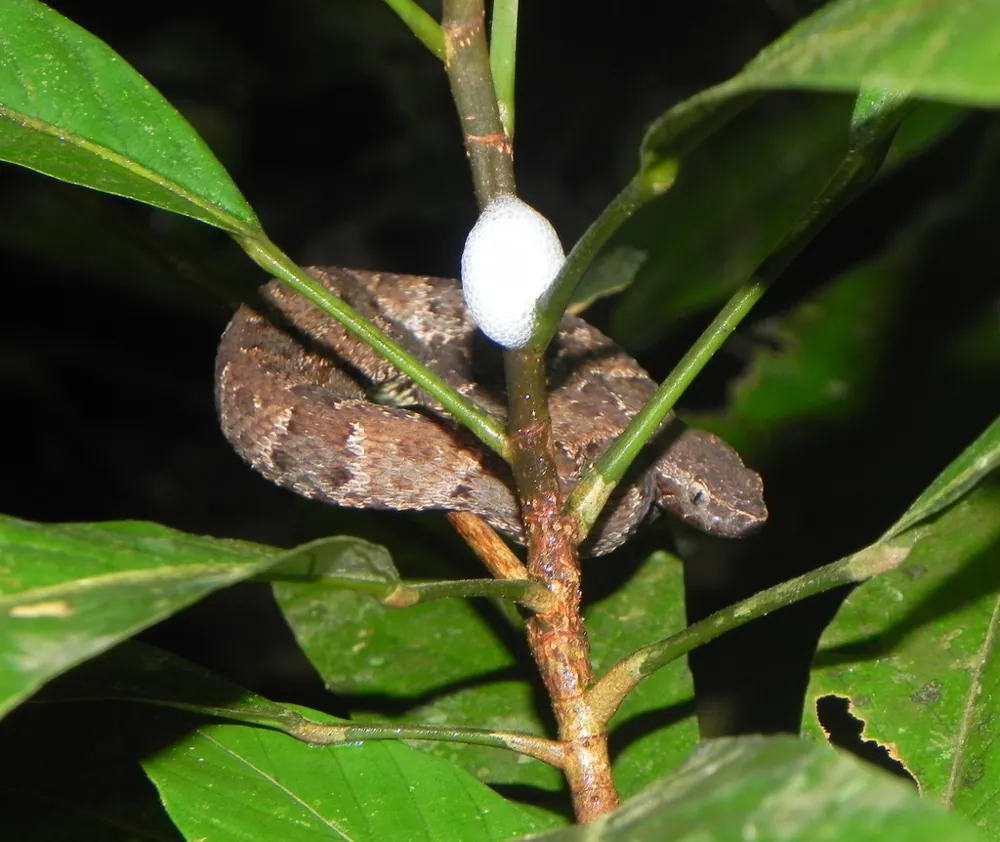
Common lancehead
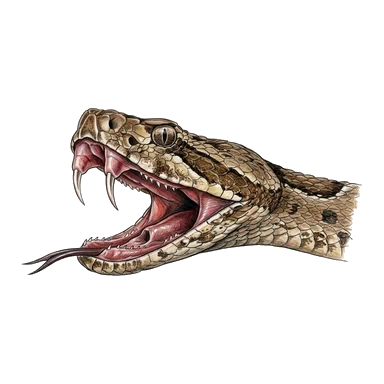 Isırır
The common lancehead is a highly venomous pit viper that lives in the tropical lowlands of northern South America and on the Caribbean island of Trinidad. It is one of the most common pit vipers in its range and is not endangered. Its venom disrupts blood clotting, which makes its bite especially serious.1
 Nasıl tanınır
- Ground colour is olive, brown, tan, grey or yellow, and rarely rusty.1
- The body pattern is a series of blotches that often fuse into bands. The markings are X-like, which is why some local names refer to the letter X.1
- The chin is pale yellow, and a dark stripe runs from behind the eye to the corner of the mouth.1
- The irises are gold or bronze, and the tongue is black.1
- Adults usually measure 75 to 125 cm in total length and are moderately heavy-bodied.1
Sık sık şununla karıştırılır: It is often confused with Bothrops asper, which was once included in this species. Most authorities now consider B. asper to be a separate species. This confusion also makes reports of its maximum size unclear.1
Zehir gücü
Zehir, ısırdığında zehir dişlerinden ya da dişlerinden çıkar.
Zehri ne yapar?
Its venom is haemorrhagic, meaning it damages the lining of blood vessels and uses up the substances that allow blood to clot. Symptoms can include severe bleeding, kidney failure, abnormal clotting, blisters and necrosis (death of body tissue). Bleeding in the brain can also occur. Recovery from the clotting problem has been seen 14 to 30 hours after a bite.1
İnsanlar için ne kadar tehlikeli?
İnsanlar için tehlike: ÖlümcülDünyanın en tehlikeli hayvanlarından biri.The bite is serious and can be fatal. Plantation workers are often bitten. Juvenile snakes have more lethal venom that kills more quickly, and people bitten by young snakes are more likely to develop the clotting problem. In a case reported in the Brazilian Amazon, the patient died of a stroke even after antivenom was given. A Mexican polyvalent antivenom tested against it had no effect on the clotting problem.1
Korkunca ne yapar?
It is easily agitated, and it can lie camouflaged for hours, nearly undetectable, then strike at high speed.1
 Isırırsa
- Kişiyi hareketsiz ve sakin tut, ısırılan uzvu kalp hizasında tut, yüzükleri ve sıkı şeyleri çıkar ve hemen hastaneye götür.
Her zaman önce acil durum numaranı ara (112, 000, 911). Bu genel bir ilk yardım rehberidir, tıbbi tavsiye değildir. İlk yardımın temelleri
 Güvende kal
- Vahşi bir hayvana asla dokunma, onu yakalama ya da kızdırma, küçük olsa bile ve uyuyor ya da ölü görünse bile.
- Ona yer aç. Biriyle karşılaşırsan sakin kal, yavaşça geri çekil ve kendi yoluna gitmesine izin ver.
- Bunlardan biri seni ısırırsa: sakin kal, kıpırdama, acil durum numaranı ara (112, 000, 911) ya da hemen hastaneye git. Neye benzediğini aklında tut, fotoğraf işe yarar.
Senin peşinde değil. Zehrini yiyecek yakalamak ya da kendini korumak için kullanır ve saklanmayı çok daha çok tercih eder. Güvende kalmak hakkında daha fazlası
Dünyanın neresinde?
Ne kadar büyük?
Ne kadar uzun?
 burundan kuyruğa dizilmiş 3 ev kedisi uzunluğunda
 uç uca dizilmiş 9 muz uzunluğunda
 100 metreyi 92 saniyede koşabilirdi (en hızlı insan için 9,6)
Common lancehead, SENİNLE karşılaştırınca ne kadar büyük?
Tarayıcında sadece biraz matematik. Hiçbir şey kaydedilmez ya da bir yere gönderilmez.
Ne kadar hızlı?


Bilgiler
An enzyme called reptilase, or batroxobin, is taken from its venom and used in modern medical laboratories to measure fibrinogen levels and blood clotting. The enzyme is not affected by heparin.1
Although it is mostly terrestrial, it is an excellent swimmer and will climb trees when needed to reach prey.1
Females with developing embryos move in and out of sunlight to keep themselves and the embryos at a constant temperature.1
Venom yield averages 124 milligrams, but can reach 342 milligrams.1
Despite the large-scale destruction of rainforests, it is among the most numerous and common of pit vipers.1
Zehir uzmanları için
- Bilimsel adı
- Bothrops atrox
- Grup
- Çukur engerekler
- Aile
- Viperidae2
- Takım
- Squamata
- Kıtalar
- Güney Amerika
- Yavrular
- It gives birth to live young, up to 80 at once, with an average of about 60 per litter in equatorial regions after a gestation of three to four months.1
- Doğada durumu nasıl
- Not endangered1
- İnsanlar için tehlike
- 5 / 5: Ölümcül3
Bilgiler nereden geliyor
- Bothrops atrox (Wikipedia (CC BY-SA 4.0))
- Bothrops atrox (iNaturalist): isimler ve sınıflandırma.
- Venom Wiki: tehlike seviyesi, tipik boyut ve hız tahmini bize ait. Nasıl hesapladığımızı gör: Tehlikeyi nasıl puanlıyoruz.
Bu sayfadaki her bilginin, kaynağını gösteren bir numarası var. Bir şeyi yanlış yazdıysak özür dileriz, biz bilim dergisi değil, hayvan hayranıyız. [email protected] adresinden bize yaz, düzeltelim.
 Akrep acıktı! Venom Wiki tek kişilik bir proje: ücretsiz, reklamsız ve takipsiz. Küçük bir bahşiş onun yayında kalmasına yardım eder.Akrebi besle
Aynı gruptan diğerleri: Çukur engerekler
 Terciopelo
 Eyelash viper
 Golden lancehead
 South American bushmaster
 Jararaca
 Jararacussu
Şurada da yaşar: Güney Amerika
 Golden poison frogOk kurbağaları, karakurbağaları ve semenderlerÖlümcülDokunma
 Brazilian wandering spiderÖrümceklerÖldürebilir
 Cane toadOk kurbağaları, karakurbağaları ve semenderlerDoktor gerekirDokunma
 Peruvian giant centipedeÇıyanlarDoktor gerekir
 Bullet antKarıncalarSadece acıtır
 Common vampire batZehirli memelilerSadece acıtır