
 افریقہ
 ایشیا
ایشیا یورپ
یورپ جنوبی امریکا
 آسٹریلیا اور اوشیانا
 انٹارکٹیکا
 بحر الکاہل
 بحر اوقیانوس
 بحر ہند
 بحر منجمد شمالی
 بحیرۂ روم
 بحیرۂ احمر
 بحیرۂ کیریبین
 بحیرۂ مرجان
 بحیرۂ جنوبی چین
 بحیرۂ فلپائن
 بحیرۂ انڈمان
 بحیرۂ شمال
 بحیرۂ تیمور اور ارافورا
 خلیج بنگال
 خلیج کیلیفورنیا
Cantil
 کاٹنا
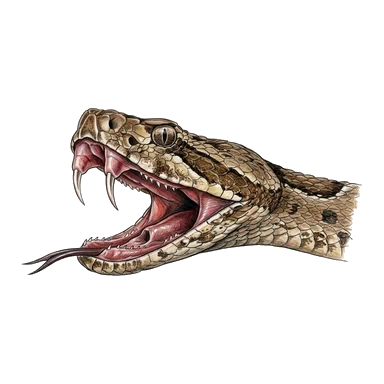
کاٹناThe cantil is a highly venomous pit viper, a type of snake that senses heat with pits on its face. It lives in Mexico and Central America, reaching south as far as Honduras. Its bite can be very dangerous, which is why it is so well known in the region.1
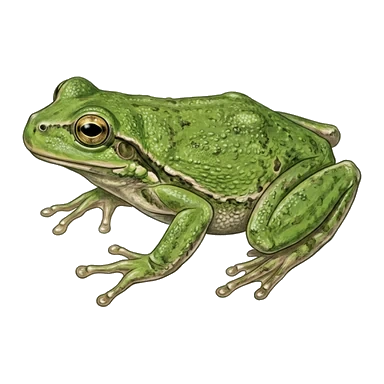
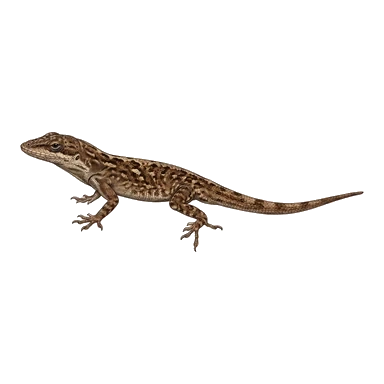
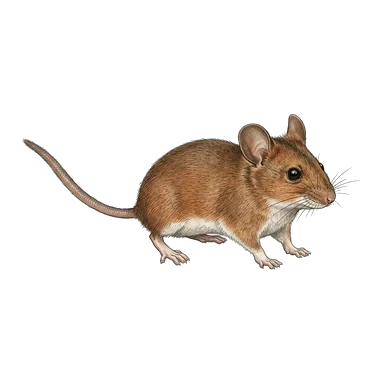
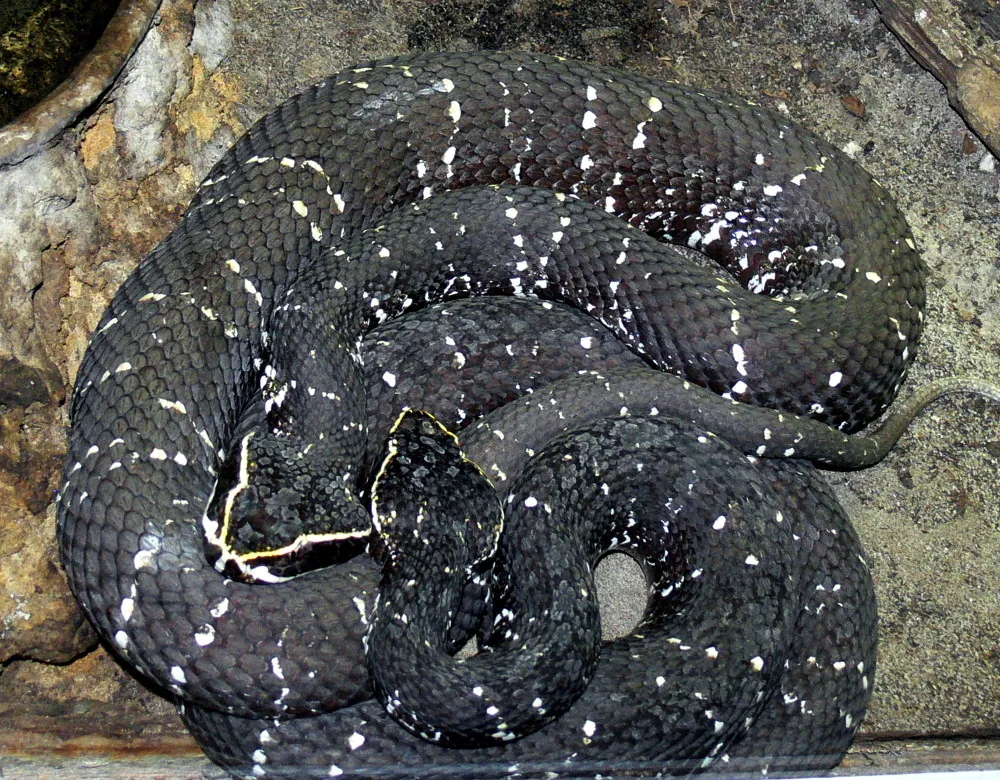
 اسے کیسے پہچانیں
- Heavy-bodied, with a broad, triangular head and small eyes with vertical pupils.1
- Usually brown or black, with darker brown or black banding, sometimes with white or cream accents.1
- Yellow and/or white lines on the head, including a broader line on the upper lip.1
- Juveniles are almost always distinctly banded, with bright green or yellow tail tips.1
- Adults are often more faded, with their pattern and colour darkening as they age.1
اکثر اس سے غلطی ہوتی ہے: It shares its general body structure with the copperhead and is in the same genus as the cottonmouth, so it is closely related to both.1
زہر کی طاقت
کاٹتے وقت زہر اس کے زہریلے دانتوں یا دانتوں سے باہر آتا ہے۔
اس کا زہر کیا کرتا ہے؟
Bites can cause local pain, swelling and discolouration, but bites from adults can cause massive swelling and necrosis, which is the death of body tissue. Symptoms reported in Honduras include severe pain, bleeding from the fang punctures, nosebleeds, bleeding gums, blood in the urine, shock and kidney failure. Some bites were fatal within only a few hours.1
یہ انسانوں کے لیے کتنا خطرناک ہے؟
انسانوں کے لیے خطرہ: بہت خطرناکبغیر علاج کے یہ انسان کی جان لے سکتا ہے۔The cantil is feared throughout its range, and in Sonora, Mexico, it is feared more than any other reptile. In Nicaragua, it is considered the country's most dangerous snake. One researcher suggested that amputation may be needed in about one in six cases because of necrosis. It is generally shy, and its reputation for aggression is probably not well deserved.1
 اچھی خبر: ڈاکٹروں کے پاس اس کی دوا (تریاق) یا علاج ہے۔1
ڈرنے پر یہ کیا کرتا ہے؟
It first relies on camouflage. If that fails, it coils tightly, raises the end of its tail and vibrates it to make a loud whipping sound, and may strike or gape, but only when it has no other choice.1
 اگر یہ کاٹے
- A polyvalent antivenom, made by the Instituto Clodomiro Picado in Costa Rica, is used to treat bites from this species.1
- اس شخص کو ساکت اور پرسکون رکھو، کاٹا ہوا بازو یا ٹانگ دل کی اونچائی پر رکھو، انگوٹھیاں اور تنگ چیزیں اتارو، اور جلدی ہسپتال پہنچو۔
ہمیشہ پہلے اپنا ایمرجنسی نمبر (112، 000، 911) ملاؤ۔ یہ ابتدائی طبی امداد کی عام رہنمائی ہے، طبی مشورہ نہیں۔ ابتدائی طبی امداد کی بنیادی باتیں
 محفوظ رہو
- کسی جنگلی جانور کو کبھی مت چھوؤ، پکڑو یا چھیڑو، چاہے وہ چھوٹا ہو، اور چاہے سویا ہوا یا مرا ہوا لگے۔
- اسے جگہ دو۔ اگر یہ ملے تو پرسکون رہو، آہستہ آہستہ پیچھے ہٹو اور اسے اپنے راستے جانے دو۔
- اگر یہ تمہیں کاٹے: پرسکون رہو، ہلو مت، اپنا ایمرجنسی نمبر (112، 000، 911) ملاؤ یا جلدی ہسپتال پہنچو۔ یاد رکھو کہ یہ کیسا دکھتا تھا، تصویر مدد کرتی ہے۔
یہ تمہارے پیچھے نہیں پڑا۔ یہ اپنا زہر شکار پکڑنے یا اپنی حفاظت کے لیے استعمال کرتا ہے، اور چھپنا زیادہ پسند کرتا ہے۔ محفوظ رہنے کے بارے میں مزید
یہ کتنا بڑا ہے؟
یہ کتنا لمبا ہے؟
 ناک سے دم تک 1.5 پالتو بلیوں جتنا لمبا
 ایک قطار میں رکھے 4 کیلوں جتنا لمبا
 100 سیکنڈ میں 100 میٹر طے کر سکتا ہے (سب سے تیز انسان کو 9.6 لگتے ہیں)
Cantil تمہارے مقابلے میں کتنا بڑا ہے؟
بس تمہارے براؤزر میں تھوڑا حساب۔ کچھ بھی محفوظ یا کہیں بھیجا نہیں جاتا۔
یہ کتنا تیز ہے؟


حقائق
غلط فہمی توڑو
غلط فہمی: The cantil has a reputation for having a nasty disposition and being extremely aggressive.
سچ: This reputation is probably not well deserved. The cantil is generally shy and relies on camouflage first, and it only displays or strikes when it has no other choice.1
زہر کے ماہرین کے لیے
- سائنسی نام
- Agkistrodon bilineatus
- گروہ
- پٹ وائپر
- خاندان
- Viperidae2
- ترتیب
- Squamata
- براعظم
- شمالی امریکا
- بچے
- Cantils are ovoviviparous, meaning they give birth to live young rather than laying eggs. They breed in spring and give birth to 5 to 20 young at a time.1
- جنگل میں اس کا حال کیسا ہے
- Near Threatened (IUCN Red List). Its population trend is down, and its primary ecological concern is habitat loss.1
- انسانوں کے لیے خطرہ
- 4 / 5: بہت خطرناک3
حقائق کہاں سے آتے ہیں
- Agkistrodon bilineatus (Wikipedia (CC BY-SA 4.0))
- Agkistrodon bilineatus (iNaturalist): نام اور درجہ بندی۔
- Venom Wiki: خطرے کی سطح، عام سائز اور رفتار کا اندازہ ہمارا اپنا ہے۔ دیکھو ہم انہیں کیسے نکالتے ہیں: ہم خطرہ کیسے ناپتے ہیں.
اس صفحے کی ہر حقیقت کے ساتھ ایک نمبر ہے جو اس کے ذریعے کی طرف اشارہ کرتا ہے۔ اگر ہم سے کچھ غلط ہوا تو معاف کرنا، ہم جانوروں کے شوقین ہیں، کوئی سائنسی رسالہ نہیں۔ ہمیں [email protected] پر بتاؤ، ہم ٹھیک کر دیں گے۔
 بچھو بھوکا ہے! Venom Wiki ایک شخص کا منصوبہ ہے: مفت، بغیر اشتہار اور بغیر ٹریکر۔ ایک چھوٹی سی ٹپ اسے آن لائن رکھنے میں مدد کرتی ہے۔بچھو کو کھانا کھلاؤ
 ٹرسیوپیلو
 Eyelash viper
 Cottonmouth
 Eastern copperhead
 Central American bushmaster
 Martinique lancehead
 Eastern coral snake
 Eastern diamondback rattlesnake
 Timber rattlesnake
 Western diamondback rattlesnake
 Arizona bark scorpion
 Brown recluse