
 افریقہ
 ایشیا
ایشیا یورپ
یورپ جنوبی امریکا
 آسٹریلیا اور اوشیانا
 انٹارکٹیکا
 بحر الکاہل
 بحر اوقیانوس
 بحر ہند
 بحر منجمد شمالی
 بحیرۂ روم
 بحیرۂ احمر
 بحیرۂ کیریبین
 بحیرۂ مرجان
 بحیرۂ جنوبی چین
 بحیرۂ فلپائن
 بحیرۂ انڈمان
 بحیرۂ شمال
 بحیرۂ تیمور اور ارافورا
 خلیج بنگال
 خلیج کیلیفورنیا
Giant silkworm moth caterpillar
 ڈنک والے بال
This is the caterpillar of a large moth from South America, the giant silk moth. The caterpillar is famous for its venom, which is one of the most dangerous of any caterpillar. It lives in southern Brazil and nearby countries, and it has caused many deaths.1
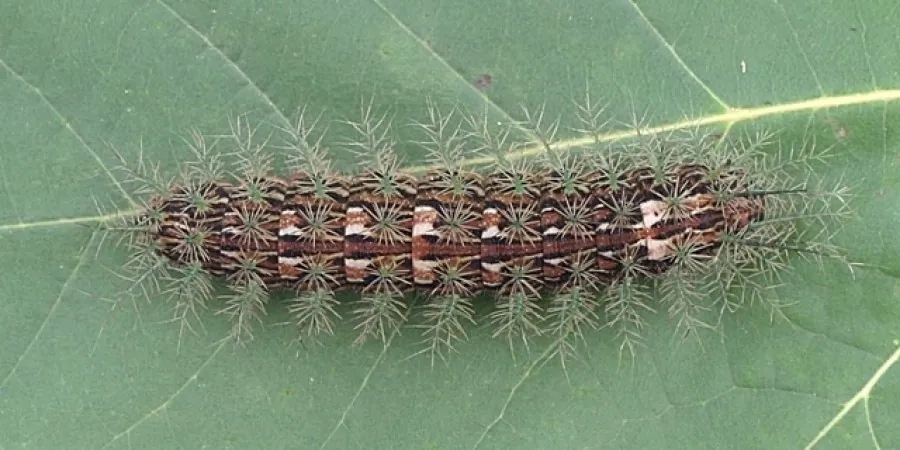
 اسے کیسے پہچانیں
زہر کی طاقت
ننھے بال یا روئیں جلد میں ٹوٹ کر چبھتے ہیں۔
اس کا زہر کیا کرتا ہے؟
The venom is held in sacs at the base of each spine and flows through the hollow spines into the wound. It causes disseminated intravascular coagulation, which stops the blood from clotting and leads to bleeding into the tissues and internal organs. After an initial phase of headache, fever, vomiting and malaise, a severe bleeding disorder can develop after about 24 hours.1
یہ انسانوں کے لیے کتنا خطرناک ہے؟
انسانوں کے لیے خطرہ: بہت خطرناکبغیر علاج کے یہ انسان کی جان لے سکتا ہے۔The caterpillar has been responsible for at least 500 deaths. In Brazil, 42,264 accidents were recorded between 2007 and 2017, of which 248 were severe and five were fatal. The reported death rate is 2.5%. Most victims were male (63%), and 45% were between 0 and 21 years old.1
 اچھی خبر: ڈاکٹروں کے پاس اس کی دوا (تریاق) یا علاج ہے۔1
ڈرنے پر یہ کیا کرتا ہے؟
Its body is covered in hairs and spines that break off easily and inject venom into anything that touches them.1
 اگر تم اس کے بال چھوؤ
- A study by Dr Robert Norris states that stings and abrasions should be treated with antifibrinolytics. If blood products are needed, they must be given with care so they do not worsen the bleeding. An antiserum made by the Butantan Institute in São Paulo reverses the clotting problems, and patients treated with it recover quickly.1
- سنڈی کے ڈنک والے بالوں کے لیے: انہیں چپکنے والی ٹیپ سے اتارو، پھر جلد دھوؤ۔ رگڑو مت۔
- کاٹنے پر: دھوؤ اور ٹھنڈا کرو۔ اگر طبیعت خراب لگے یا آسانی سے خون بہے تو طبی مدد لو۔
ہمیشہ پہلے اپنا ایمرجنسی نمبر (112، 000، 911) ملاؤ۔ یہ ابتدائی طبی امداد کی عام رہنمائی ہے، طبی مشورہ نہیں۔ ابتدائی طبی امداد کی بنیادی باتیں
 محفوظ رہو
- کسی جنگلی جانور کو کبھی مت چھوؤ، پکڑو یا چھیڑو، چاہے وہ چھوٹا ہو، اور چاہے سویا ہوا یا مرا ہوا لگے۔
- اسے جگہ دو۔ اگر یہ ملے تو پرسکون رہو، آہستہ آہستہ پیچھے ہٹو اور اسے اپنے راستے جانے دو۔
- اگر تم نے اس کے بال چھو لیے: پرسکون رہو، ہلو مت، اپنا ایمرجنسی نمبر (112، 000، 911) ملاؤ یا جلدی ہسپتال پہنچو۔ یاد رکھو کہ یہ کیسا دکھتا تھا، تصویر مدد کرتی ہے۔
یہ تمہارے پیچھے نہیں پڑا۔ یہ اپنا زہر شکار پکڑنے یا اپنی حفاظت کے لیے استعمال کرتا ہے، اور چھپنا زیادہ پسند کرتا ہے۔ محفوظ رہنے کے بارے میں مزید
یہ کتنا بڑا ہے؟
یہ کتنا لمبا ہے؟
 ایک قطار میں 2 کھلونا اینٹوں جتنا لمبا
 باغ کے گھونگے سے بھی آہستہ
Giant silkworm moth caterpillar تمہارے مقابلے میں کتنا بڑا ہے؟
بس تمہارے براؤزر میں تھوڑا حساب۔ کچھ بھی محفوظ یا کہیں بھیجا نہیں جاتا۔
یہ کتنا تیز ہے؟

حقائق
Guinness World Records lists it as the most venomous caterpillar in the world.1
Before studies of Lonomia caterpillars, it was not known that caterpillars could produce enough toxin to kill a person.1
Its venom contains anti-clotting agents that have been studied for possible medical uses, including a component called Lopap.1
The first known epidemic happened in an farming community in Rio Grande do Sul, where victims had only handled leafy branches before their symptoms began.1
Only two of the 26 Lonomia species found in the Americas, L. obliqua and L. achelous, have caused severe reactions.1
غلط فہمی توڑو
غلط فہمی: Caterpillars cannot produce toxins strong enough to kill a person.
سچ: This caterpillar's venom can kill. At least 500 deaths have been linked to it.1
حقائق کہاں سے آتے ہیں
- Lonomia obliqua (Wikipedia (CC BY-SA 4.0))
- Lonomia obliqua (iNaturalist): نام اور درجہ بندی۔
- Venom Wiki: خطرے کی سطح، عام سائز اور رفتار کا اندازہ ہمارا اپنا ہے۔ دیکھو ہم انہیں کیسے نکالتے ہیں: ہم خطرہ کیسے ناپتے ہیں.
اس صفحے کی ہر حقیقت کے ساتھ ایک نمبر ہے جو اس کے ذریعے کی طرف اشارہ کرتا ہے۔ اگر ہم سے کچھ غلط ہوا تو معاف کرنا، ہم جانوروں کے شوقین ہیں، کوئی سائنسی رسالہ نہیں۔ ہمیں [email protected] پر بتاؤ، ہم ٹھیک کر دیں گے۔
 بچھو بھوکا ہے! Venom Wiki ایک شخص کا منصوبہ ہے: مفت، بغیر اشتہار اور بغیر ٹریکر۔ ایک چھوٹی سی ٹپ اسے آن لائن رکھنے میں مدد کرتی ہے۔بچھو کو کھانا کھلاؤ
اسی گروہ کے مزید جانور: سنڈیاں اور کیڑے
 Vinchuca kissing bugسنڈیاں اور کیڑےڈاکٹر کی ضرورت ہے
 Venezuelan fire caterpillarسنڈیاں اور کیڑےجان لے سکتا ہےمت چھوؤ
 Pararama caterpillarسنڈیاں اور کیڑےڈاکٹر کی ضرورت ہےمت چھوؤ
 Rhodnius kissing bugسنڈیاں اور کیڑےڈاکٹر کی ضرورت ہے
 Yellowtail moth of the mangrovesسنڈیاں اور کیڑےبس درد ہوتا ہےمت چھوؤ
 Milkweed assassin bugسنڈیاں اور کیڑےبے ضرر
 Golden poison frog
 ٹرسیوپیلو
 Brazilian wandering spider
 Eyelash viper
 Golden lancehead
 South American bushmaster