
 افریقہ
 ایشیا
ایشیا یورپ
یورپ جنوبی امریکا
 آسٹریلیا اور اوشیانا
 انٹارکٹیکا
 بحر الکاہل
 بحر اوقیانوس
 بحر ہند
 بحر منجمد شمالی
 بحیرۂ روم
 بحیرۂ احمر
 بحیرۂ کیریبین
 بحیرۂ مرجان
 بحیرۂ جنوبی چین
 بحیرۂ فلپائن
 بحیرۂ انڈمان
 بحیرۂ شمال
 بحیرۂ تیمور اور ارافورا
 خلیج بنگال
 خلیج کیلیفورنیا
Pine processionary
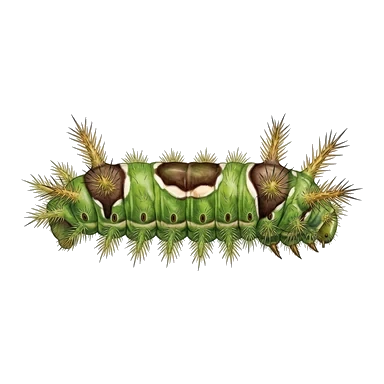 ڈنک والے بال
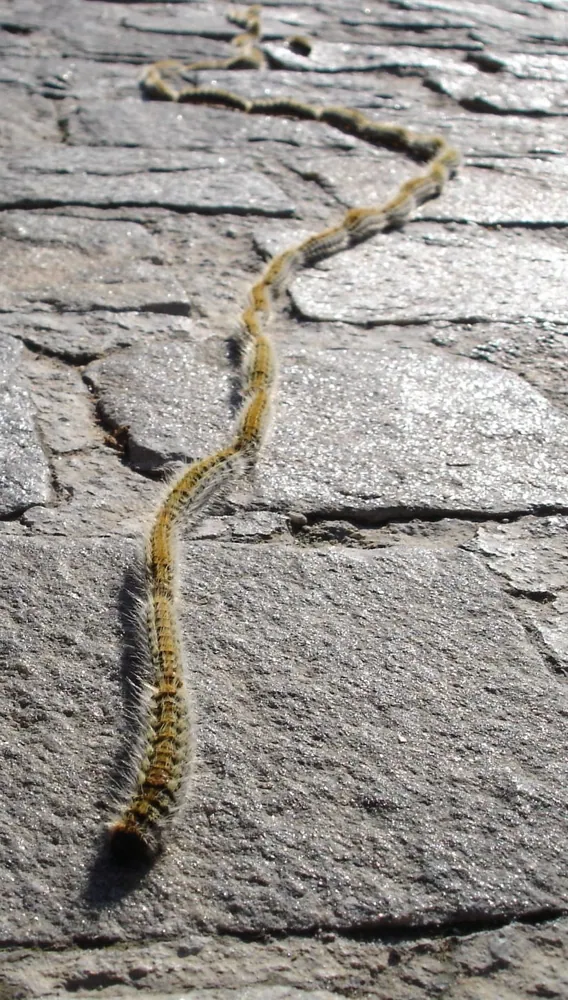
The pine processionary is a moth whose caterpillars are famous for marching in long, nose-to-tail lines through pine woods. Their hairs cause painful rashes and eye irritation, and they can strip the needles from whole trees. It lives around the Mediterranean and is spreading north.1
 اسے کیسے پہچانیں
- Caterpillars are orange-brown and hairy, with blue bands.1
- Large silken nests in pine trees, often with several in one tree and signs of stripped needles.1
- Caterpillars move in single-file processions, usually at night and when leaving the tree to pupate.1
- Adults have predominantly light brown forewings with brown markings and white hindwings.1
- Adult males have a crescent marking on the wings and are larger than the oak processionary.1
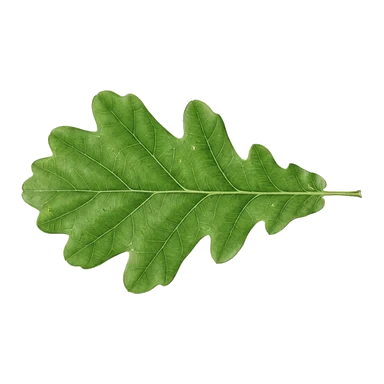
اکثر اس سے غلطی ہوتی ہے: The oak processionary (Thaumetopoea processionea) is smaller as an adult, has an indistinct wing marking rather than a crescent, and lives in broad-leaved rather than coniferous forests. The pale eggar moth has no crescent marking on its wings.1
زہر کی طاقت
ننھے بال یا روئیں جلد میں ٹوٹ کر چبھتے ہیں۔
اس کا زہر کیا کرتا ہے؟
The species is not venomous. Its caterpillars have hairs containing an irritant chemical called thaumetopoein, which causes skin rashes (urticaria) and eye irritation on contact. Some people may have an allergic reaction. The hairs of fifth-stage larvae can also break off and spread across nearby exposed skin.1
یہ انسانوں کے لیے کتنا خطرناک ہے؟
انسانوں کے لیے خطرہ: تکلیف دہبہت درد ہو سکتا ہے، لیکن تقریباً کبھی سنگین نہیں ہوتا۔Simple contact with the caterpillar hairs can cause severe rashes and eye irritation in humans and other mammals. Some individuals may have an allergic reaction.1
ڈرنے پر یہ کیا کرتا ہے؟
When stressed or threatened, fifth-stage caterpillars eject harpoon-shaped hairs that irritate any exposed skin nearby.1
 اگر تم اس کے بال چھوؤ
- سنڈی کے ڈنک والے بالوں کے لیے: انہیں چپکنے والی ٹیپ سے اتارو، پھر جلد دھوؤ۔ رگڑو مت۔
- کاٹنے پر: دھوؤ اور ٹھنڈا کرو۔ اگر طبیعت خراب لگے یا آسانی سے خون بہے تو طبی مدد لو۔
ہمیشہ پہلے اپنا ایمرجنسی نمبر (112، 000، 911) ملاؤ۔ یہ ابتدائی طبی امداد کی عام رہنمائی ہے، طبی مشورہ نہیں۔ ابتدائی طبی امداد کی بنیادی باتیں
 محفوظ رہو
- کسی جنگلی جانور کو کبھی مت چھوؤ، پکڑو یا چھیڑو، چاہے وہ چھوٹا ہو، اور چاہے سویا ہوا یا مرا ہوا لگے۔
- اسے جگہ دو۔ اگر یہ ملے تو پرسکون رہو، آہستہ آہستہ پیچھے ہٹو اور اسے اپنے راستے جانے دو۔
- اگر تم نے اس کے بال چھو لیے: پرسکون رہو، ہلو مت، اپنا ایمرجنسی نمبر (112، 000، 911) ملاؤ یا جلدی ہسپتال پہنچو۔ یاد رکھو کہ یہ کیسا دکھتا تھا، تصویر مدد کرتی ہے۔
یہ تمہارے پیچھے نہیں پڑا۔ یہ اپنا زہر شکار پکڑنے یا اپنی حفاظت کے لیے استعمال کرتا ہے، اور چھپنا زیادہ پسند کرتا ہے۔ محفوظ رہنے کے بارے میں مزید
یہ کتنا بڑا ہے؟
یہ کتنا لمبا ہے؟
 تقریباً ایک پیپر کلپ جتنا لمبا
 باغ کے گھونگے سے بھی آہستہ
Pine processionary تمہارے مقابلے میں کتنا بڑا ہے؟
بس تمہارے براؤزر میں تھوڑا حساب۔ کچھ بھی محفوظ یا کہیں بھیجا نہیں جاتا۔
یہ کتنا تیز ہے؟


حقائق
Caterpillars in a procession hold together through touch from the caterpillar in front, which takes priority over the trail pheromone or silk.1
The caterpillars are one of the few temperate-zone insects whose larvae develop through the winter, living in silk nests high in pine trees.1
Adults live for only a single day, during which they mate and lay eggs.1
The Greek physician Dioscorides described the itching caused by this caterpillar in the 1st century AD, and Pliny the Elder recorded a treatment for it.1
Outbreaks are somewhat cyclical, with a period of 7 to 9 years.1
غلط فہمی توڑو
غلط فہمی: Fabre's caterpillars marched in a circle around a flower pot only because they were trapped on its rim.
سچ: Young caterpillars' circular trails continue for as long as 12 hours even when they are free on a flat surface.1
زہر کے ماہرین کے لیے
- سائنسی نام
- Thaumetopoea pityocampa
- گروہ
- سنڈیاں اور کیڑے
- خاندان
- Notodontidae2
- ترتیب
- Lepidoptera
- براعظم
- یورپ, افریقہ, ایشیا
- بچے
- Each female lays an enormous number of eggs near the tops of pine trees, in cylindrical egg masses 4 to 5 cm long covered with scales that mimic pine shoots.1
- انسانوں کے لیے خطرہ
- 2 / 5: تکلیف دہ3
حقائق کہاں سے آتے ہیں
- Pine processionary (Wikipedia (CC BY-SA 4.0))
- Thaumetopoea pityocampa (iNaturalist): نام اور درجہ بندی۔
- Venom Wiki: خطرے کی سطح، عام سائز اور رفتار کا اندازہ ہمارا اپنا ہے۔ دیکھو ہم انہیں کیسے نکالتے ہیں: ہم خطرہ کیسے ناپتے ہیں.
اس صفحے کی ہر حقیقت کے ساتھ ایک نمبر ہے جو اس کے ذریعے کی طرف اشارہ کرتا ہے۔ اگر ہم سے کچھ غلط ہوا تو معاف کرنا، ہم جانوروں کے شوقین ہیں، کوئی سائنسی رسالہ نہیں۔ ہمیں [email protected] پر بتاؤ، ہم ٹھیک کر دیں گے۔
 بچھو بھوکا ہے! Venom Wiki ایک شخص کا منصوبہ ہے: مفت، بغیر اشتہار اور بغیر ٹریکر۔ ایک چھوٹی سی ٹپ اسے آن لائن رکھنے میں مدد کرتی ہے۔بچھو کو کھانا کھلاؤ
اسی گروہ کے مزید جانور: سنڈیاں اور کیڑے
 Oak processionaryسنڈیاں اور کیڑےبس درد ہوتا ہےمت چھوؤ
 White-spotted assassin bugسنڈیاں اور کیڑےبس درد ہوتا ہے
 Common bombardier beetleسنڈیاں اور کیڑےبے ضرر
 Asian giant water bugسنڈیاں اور کیڑےبس درد ہوتا ہے
 Blue-striped nettle grubسنڈیاں اور کیڑےبس درد ہوتا ہےمت چھوؤ
 Brown-tail mothسنڈیاں اور کیڑےبس درد ہوتا ہےمت چھوؤ
یہاں بھی رہتا ہے: یورپ
 Common European adderوائپر اور ایڈرڈاکٹر کی ضرورت ہے
 Spanish flyدوسرے زہریلے جانورڈاکٹر کی ضرورت ہےمت چھوؤ
 Common waspشہد کی مکھیاں، بھڑیں اور ہارنیٹبس درد ہوتا ہے
 European hornetشہد کی مکھیاں، بھڑیں اور ہارنیٹبس درد ہوتا ہے
 Fire salamanderزہریلے مینڈک، ٹوڈ اور نیوٹبس درد ہوتا ہےمت چھوؤ
 Western honey beeشہد کی مکھیاں، بھڑیں اور ہارنیٹبس درد ہوتا ہے