
 Afrika
 Asiya
Asiya Avropa
 Cənubi Amerika
 Avstraliya və Okeaniya
 Antarktida
 Sakit okean
 Atlantik okeanı
 Hind okeanı
 Şimal Buzlu okeanı
 Aralıq dənizi
 Qırmızı dəniz
 Karib dənizi
 Mərcan dənizi
 Cənubi Çin dənizi
 Filippin dənizi
 Andaman dənizi
 Şimal dənizi
 Timor və Arafura dənizləri
 Benqal körfəzi
 Kaliforniya körfəzi
Plate fire coral
 Sancır
Plate fire coral is a reef-building animal that looks like a coral but is actually a relative of jellyfish. It grows in shallow, sunny reef water across the Indo-Pacific, from the Red Sea and East Africa to northern Australia and French Polynesia. It matters because it helps build reefs and can give a painful burning sting.1


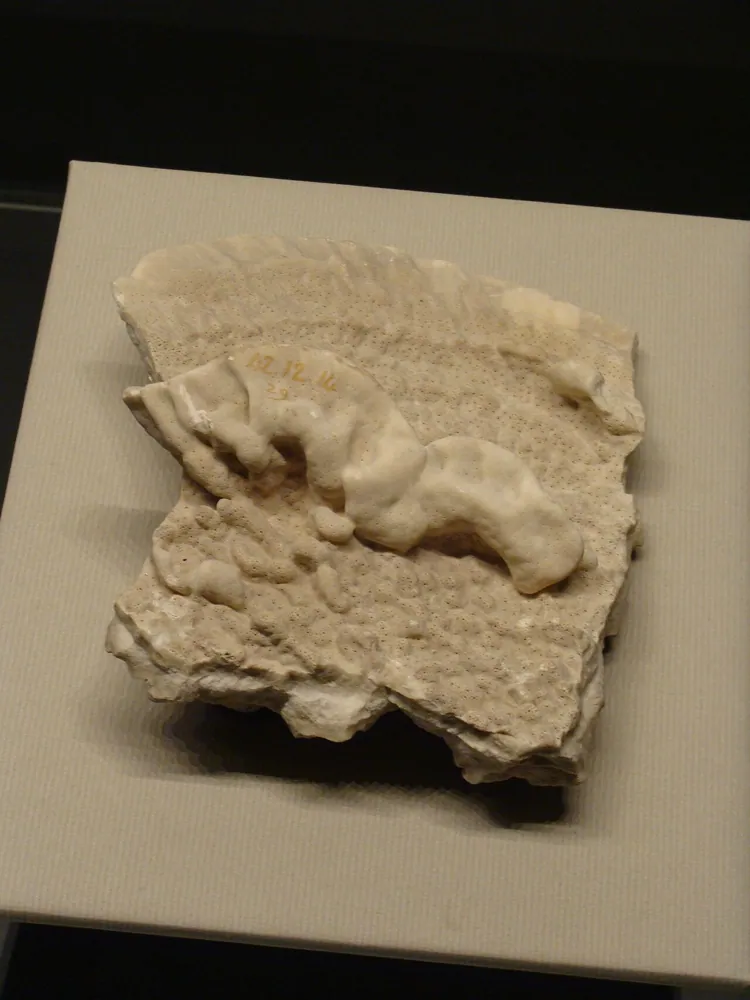
 Necə tanımalı
- Colonies are yellow-green or light-brown, and the tips may be white.1
- It usually grows in plate-like or blade-like forms, though it can also form branches, fans or encrusting layers.1
- Colonies often measure 200 to 300 cm across and can be up to 200 cm high.1
Tez-tez qarışdırılır: Other fire corals, such as Millepora dichotoma and Millepora exaesa, are often confused with it. Plate fire coral is generally plate-like or blade-like, which helps tell it apart from them.1
Zəhər gücü
Zəhər iynədən çıxır.
Onun zəhəri nə edir?
Its defensive polyps carry stinging cells called nematocysts. Contact with them causes a burning sensation in humans.1
İnsanlar üçün nə qədər təhlükəlidir?
İnsanlar üçün təhlükə: AğrılıÇox ağrıda bilər, amma demək olar ki, heç vaxt ciddi olmur.Qorxanda nə edir?
Its defensive polyps have long tentacles that sting anything that touches them.1
 Sancsa
- Sudan çıx və tentaklları (əlcəklə və ya parça ilə) qoparıb götür.
- Tropik kub meduzalar üçün: sancılan yerlərə ən azı 30 saniyə sirkə tök, kömək çağır və ürək-ağciyər reanimasiyası (ÜAR) etməyə hazır ol. Fizaliyalar və digərlərinin çoxu üçün: dəniz suyu ilə yaxala, sonra ağrı üçün isti su istifadə et.
Həmişə əvvəlcə təcili yardım nömrənə zəng et (112, 000, 911). Bu, ümumi ilk yardım tövsiyəsidir, tibbi məsləhət deyil. İlk yardımın əsasları
 Təhlükəsiz qal
- Vəhşi heyvana heç vaxt toxunma, onu tutma və ya ona sataşma, hətta kiçik olsa belə, hətta yatmış və ya ölü görünsə belə.
- Ona yer ver. Rast gəlsən, sakit ol, yavaşca geri çəkil və qoy öz yolu ilə getsin.
- Biri səni sancsa: sakit ol, hərəkət etmə, təcili yardım nömrənə (112, 000, 911) zəng et və ya tez xəstəxanaya get. Onun necə göründüyünü yadda saxla, şəkil kömək edir.
O, sənin dalınca düşməyib. Zəhərini yem tutmaq və ya özünü qorumaq üçün istifadə edir və gizlənməyi daha çox sevir. Təhlükəsizlik haqqında daha çox
Dünyanın harasında?
Nə qədər böyükdür?
Nə qədər uzundur?
 burundan quyruğa düzülmüş 3 it uzunluğunda
 uc-uca düzülmüş 17 banan uzunluğunda
 bağ ilbizindən yavaş
Plate fire coral SƏNİNLƏ müqayisədə nə qədər böyükdür?
Sadəcə brauzerində riyaziyyat. Heç nə yadda saxlanmır və heç yerə göndərilmir.
Nə qədər sürətlidir?


Faktlar
Despite its name, plate fire coral is not a true coral. It belongs to the class Hydrozoa, which is separate from the stony and soft corals.1
It has two kinds of polyps: feeding polyps for catching food and defensive polyps with longer tentacles for protection.1
Its colonies can break into fragments during rough water, and these fragments can drift and start new colonies on nearby reefs.1
It can take many forms, including branches, fans, plates, blades and encrusting layers, and its shape depends on where it grows.1
It was once thought to have disappeared from the Eastern Pacific after bleaching events, but researchers later confirmed that its range extends back there.1
It helps build reefs in the Indo-Pacific region.1
Mif dağıdan
Mif: Plate fire coral is a true coral.
Həqiqət: It is a hydrozoan, not a true coral, and is separate from the stony and soft corals.1
Zəhər ekspertləri üçün
- Elmi adı
- Millepora platyphylla
- Qrup
- Meduzalar və sancan dəniz canlıları
- Ailə
- Milleporidae2
- Dəstə
- Anthoathecata
- Qitələr
- Sakit okean, Hind okeanı, Qırmızı dəniz, Mərcan dənizi, Filippin dənizi, Timor və Arafura dənizləri, Benqal körfəzi, Okeanlar
- Balalar
- It releases reproductive buds that send eggs and sperm into the water, where fertilisation happens outside the body. The free-swimming larvae settle and become polyps after about 1 day.1
- İnsanlar üçün təhlükə
- 2 / 5: Ağrılı3
Faktlar haradan gəlir
- Millepora platyphylla (Wikipedia (CC BY-SA 4.0))
- Millepora platyphylla (iNaturalist): adlar və təsnifat.
- Venom Wiki: təhlükə səviyyəsi, tipik ölçü və sürət təxmini bizimdir. Onları necə hesabladığımıza bax: Təhlükəni necə qiymətləndiririk.
Bu səhifədəki hər faktın yanında mənbəyini göstərən nömrə var. Səhv bir şey yazmışıqsa, bağışla, biz elmi jurnal yox, sadəcə heyvan həvəskarlarıyıq. [email protected] ünvanına yaz, düzəldək.
 Əqrəb acdır! Venom Wiki bir nəfərin layihəsidir: pulsuz, reklamsız və izləyicisiz. Kiçik bəxşiş onun onlayn qalmasına kömək edir.Əqrəbi yemlə
Eyni qrupdan daha çox: Meduzalar və sancan dəniz canlıları
 Australian box jellyfishMeduzalar və sancan dəniz canlılarıÖlümcülToxunma
 Irukandji jellyfishMeduzalar və sancan dəniz canlılarıÖldürə bilərToxunma
 Portuguese man o' warMeduzalar və sancan dəniz canlılarıHəkim lazımdırToxunma
 Lion's mane jellyfishMeduzalar və sancan dəniz canlılarıSadəcə ağrıdırToxunma
 Moon jellyfishMeduzalar və sancan dəniz canlılarıZərərsiz
 Common kingslayerMeduzalar və sancan dəniz canlılarıÖldürə bilərToxunma
Həmçinin yaşadığı yerlər: Sakit okean
 Geography coneKonus ilbizləri və səkkizayaqlarÖlümcül
 Greater blue-ringed octopusKonus ilbizləri və səkkizayaqlarÖlümcül
 Japanese pufferfishDigər toksik heyvanlarÖlümcül
 Southern blue-ringed octopusKonus ilbizləri və səkkizayaqlarÖlümcül
 Hawksbill sea turtleDigər toksik heyvanlarÖldürə bilər
 Reef stonefishZəhərli balıqlarÖldürə bilərToxunma