
 Афрыка
 Азія
Азія Еўропа
 Паўднёвая Амерыка
 Аўстралія і Акіянія
 Антарктыда
 Ціхі акіян
 Атлантычны акіян
 Індыйскі акіян
 Паўночны Ледавіты акіян
 Міжземнае мора
 Чырвонае мора
 Карыбскае мора
 Каралавае мора
 Паўднёва-Кітайскае мора
 Філіпінскае мора
 Андаманскае мора
 Паўночнае мора
 Тыморскае і Арафурскае моры
 Бенгальскі заліў
 Каліфарнійскі заліў
Plate fire coral
 Уджаленні
Plate fire coral is a reef-building animal that looks like a coral but is actually a relative of jellyfish. It grows in shallow, sunny reef water across the Indo-Pacific, from the Red Sea and East Africa to northern Australia and French Polynesia. It matters because it helps build reefs and can give a painful burning sting.1


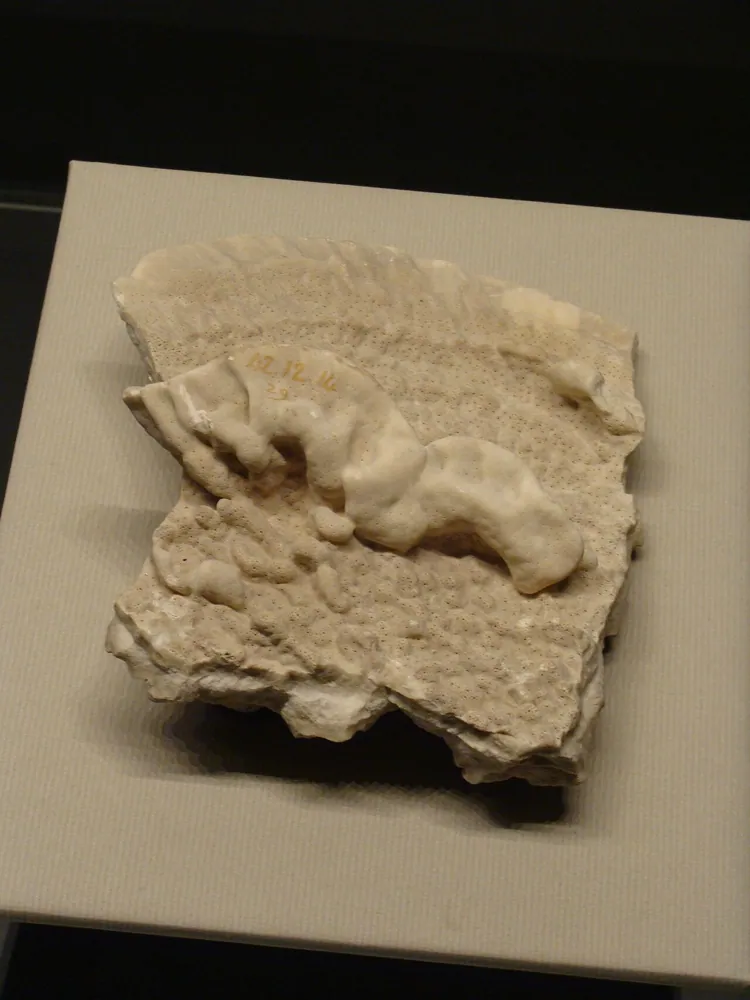
 Як яе пазнаць
- Colonies are yellow-green or light-brown, and the tips may be white.1
- It usually grows in plate-like or blade-like forms, though it can also form branches, fans or encrusting layers.1
- Colonies often measure 200 to 300 cm across and can be up to 200 cm high.1
Часта блытаюць з: Other fire corals, such as Millepora dichotoma and Millepora exaesa, are often confused with it. Plate fire coral is generally plate-like or blade-like, which helps tell it apart from them.1
Сіла яду
Яд выходзіць праз джала.
Што робіць яе яд?
Its defensive polyps carry stinging cells called nematocysts. Contact with them causes a burning sensation in humans.1
Наколькі яна небяспечная для людзей?
Небяспека для людзей: БалючаяМожа быць вельмі балюча, але амаль ніколі не бывае сур'ёзна.Што яна робіць, калі напалохана?
Its defensive polyps have long tentacles that sting anything that touches them.1
 Калі джаліць
- Выйдзі з вады і здымі шчупальцы, якія засталіся (у пальчатках або тканінай).
- Пры апёках трапічных кубамедуз: палівай месцы апёкаў воцатам не менш за 30 секунд, пакліч на дапамогу і будзь гатовы рабіць СЛР (сардэчна-лёгачную рэанімацыю). Пры апёках партугальскага карабліка і большасці іншых: прамый марской вадой, потым трымай у гарачай вадзе ад болю.
Заўсёды спачатку тэлефануй на нумар экстраннай службы (112, 000, 911). Гэта агульныя парады па першай дапамозе, а не медыцынская кансультацыя. Асновы першай дапамогі
 Будзь у бяспецы
- Ніколі не чапай, не лаві і не дражні дзікую жывёлу, нават маленькую, і нават калі здаецца, што яна спіць ці мёртвая.
- Трымайся ад яе далей. Калі сустрэнеш такую жывёлу, захоўвай спакой, павольна адыдзі назад і дай ёй пайсці сваёй дарогай.
- Калі такая жывёла ўджаліць цябе: захоўвай спакой, не рухайся, тэлефануй на нумар экстраннай службы (112, 000, 911) або хутка дабірайся да бальніцы. Запомні, як яна выглядала, фота дапаможа.
Яна не палюе на цябе. Яд патрэбны ёй, каб лавіць ежу ці абараняцца, і яна з большай ахвотай схаваецца. Яшчэ пра бяспеку
Дзе ў свеце?
Якога яна памеру?
Якой яна даўжыні?
 даўжынёй як 3 сабак ад носа да хваста
 даўжынёй як 17 бананаў адзін за адным
 павольней за садовага слімака
Plate fire coral і ТЫ: хто большы?
Проста матэматыка ў тваім браўзеры. Нічога не захоўваецца і нікуды не адпраўляецца.
Як хутка яна рухаецца?


Факты
Despite its name, plate fire coral is not a true coral. It belongs to the class Hydrozoa, which is separate from the stony and soft corals.1
It has two kinds of polyps: feeding polyps for catching food and defensive polyps with longer tentacles for protection.1
Its colonies can break into fragments during rough water, and these fragments can drift and start new colonies on nearby reefs.1
It can take many forms, including branches, fans, plates, blades and encrusting layers, and its shape depends on where it grows.1
It was once thought to have disappeared from the Eastern Pacific after bleaching events, but researchers later confirmed that its range extends back there.1
It helps build reefs in the Indo-Pacific region.1
Разбуральнік міфаў
Міф: Plate fire coral is a true coral.
Праўда: It is a hydrozoan, not a true coral, and is separate from the stony and soft corals.1
Для знаўцаў яду
- Навуковая назва
- Millepora platyphylla
- Група
- Медузы і пякучыя марскія жыхары
- Сям'я
- Milleporidae2
- Парадак
- Anthoathecata
- Кантыненты
- Ціхі акіян, Індыйскі акіян, Чырвонае мора, Каралавае мора, Філіпінскае мора, Тыморскае і Арафурскае моры, Бенгальскі заліў, Акіяны
- Дзіцяняты
- It releases reproductive buds that send eggs and sperm into the water, where fertilisation happens outside the body. The free-swimming larvae settle and become polyps after about 1 day.1
- Небяспека для людзей
- 2 / 5: Балючая3
Адкуль узятыя факты
- Millepora platyphylla (Wikipedia (CC BY-SA 4.0))
- Millepora platyphylla (iNaturalist): назвы і класіфікацыя.
- Venom Wiki: узровень небяспекі, звычайны памер і прыблізную хуткасць мы ацэньваем самі. Паглядзі, як мы гэта робім: Як мы ацэньваем небяспеку.
У кожнага факта на гэтай старонцы ёсць нумар, які вядзе да яго крыніцы. Калі мы недзе памыліліся, прабач, мы аматары жывёл, а не навуковы часопіс. Напішы нам на [email protected], і мы ўсё выправім.
 Скарпіён галодны! Venom Wiki робіць адзін чалавек: праект бясплатны, без рэкламы і без трэкераў. Невялікія чаявыя дапамагаюць яму працаваць далей.Пакармі скарпіёна
Яшчэ з гэтай групы: Медузы і пякучыя марскія жыхары
 Australian box jellyfishМедузы і пякучыя марскія жыхарыСмяротна небяспечнаяНе чапаць
 Irukandji jellyfishМедузы і пякучыя марскія жыхарыМожа забіцьНе чапаць
 Portuguese man o' warМедузы і пякучыя марскія жыхарыПатрэбны лекарНе чапаць
 Lion's mane jellyfishМедузы і пякучыя марскія жыхарыПроста балючаНе чапаць
 Moon jellyfishМедузы і пякучыя марскія жыхарыБясшкодная
 Common kingslayerМедузы і пякучыя марскія жыхарыМожа забіцьНе чапаць
Таксама жыве ў: Ціхі акіян
 Geography coneКонусы і васьміногіСмяротна небяспечная
 Greater blue-ringed octopusКонусы і васьміногіСмяротна небяспечная
 Japanese pufferfishІншыя атрутныя жывёлыСмяротна небяспечная
 Southern blue-ringed octopusКонусы і васьміногіСмяротна небяспечная
 Hawksbill sea turtleІншыя атрутныя жывёлыМожа забіць
 Reef stonefishЯдавітыя рыбыМожа забіцьНе чапаць