
 Àfrica
 Àsia
Àsia Europa
 Amèrica del Sud
 Austràlia i Oceania
 Antàrtida
 Oceà Pacífic
 Oceà Atlàntic
 Oceà Índic
 Oceà Àrtic
 Mar Mediterrània
 Mar Roja
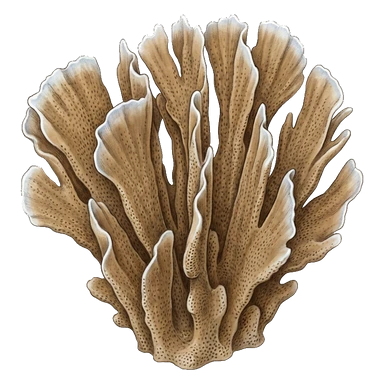 Mar Carib
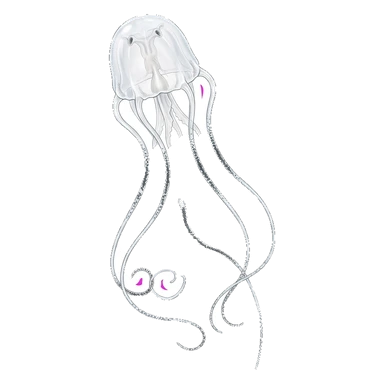 Mar del Corall
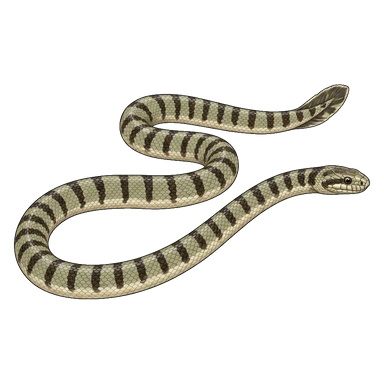 Mar de la Xina Meridional
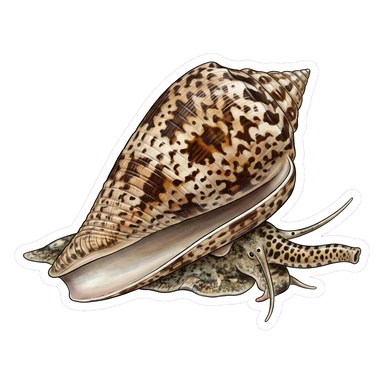 Mar de les Filipines
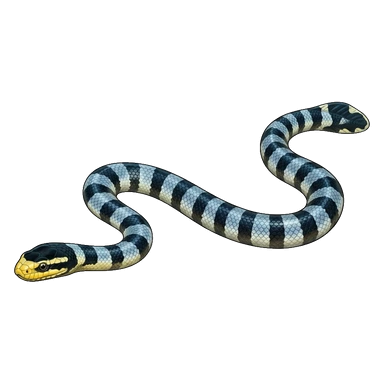 Mar d'Andaman
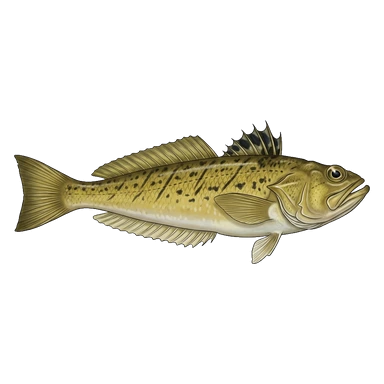 Mar del Nord
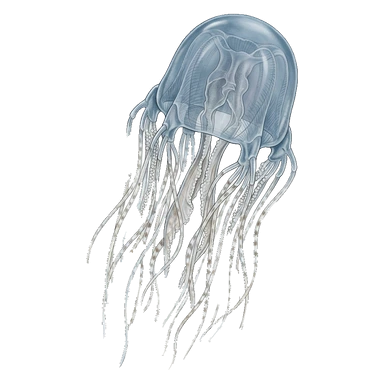 Mar de Timor i d'Arafura
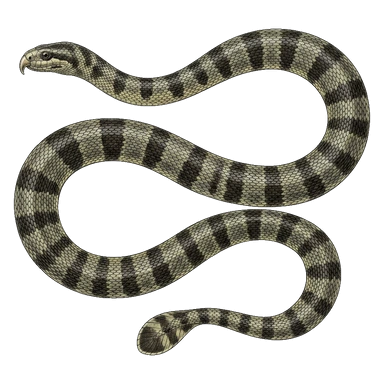 Golf de Bengala
 Golf de Califòrnia
Cinnabar moth
 Tòxic si te'l menges
The cinnabar moth is a brightly coloured day-flying moth with red and black wings. It is native to Europe and parts of Asia, and it has been introduced to New Zealand, Australia and North America. Its bright colours warn predators that it is poisonous.1
 Com reconèixer-lo
- Predominantly black wings with red patches1
- Adults are about 2 cm long, with a wingspan of 3.4 to 4.6 cm1
- Often seen flying in daylight, though it is also active at night1
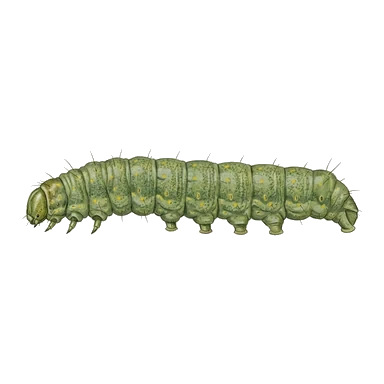
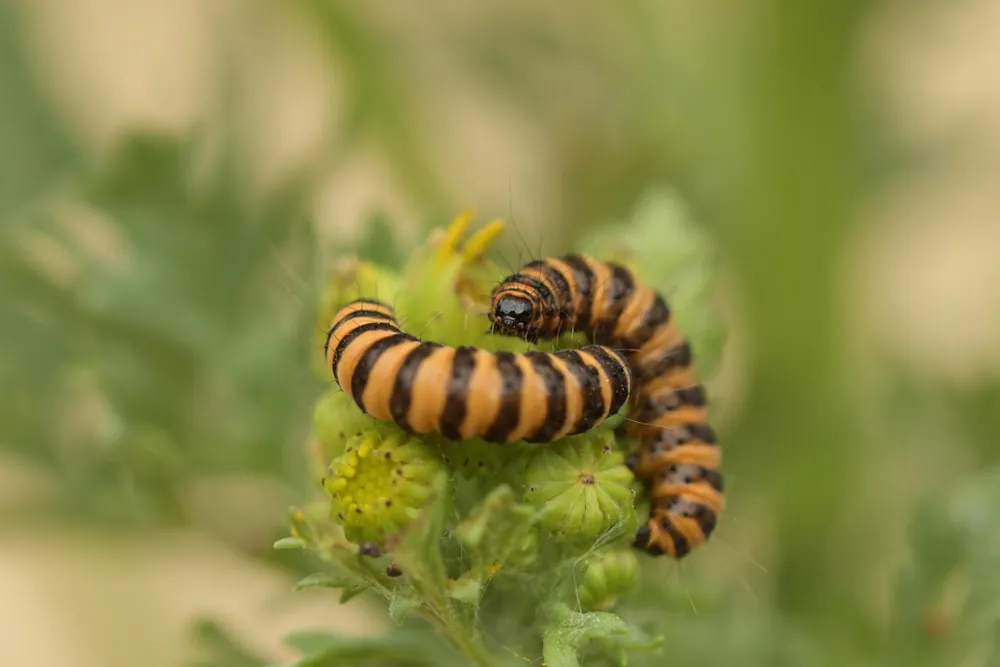
- Young caterpillars are pale yellow; later caterpillars are jet-black with orange or yellow stripes1
- Rarely, the red can be yellow, the forewing can be all red with a black border, or the wings can be completely black1
Poder tòxic
Només és perjudicial si alguna cosa se'l menja.
Com de perillós és per a les persones?
Perill per a les persones: LleuCom una picada d'abella o menys. Pràcticament inofensiu per a les persones.Què fa quan té por?
Its bright red and black colours warn predators that it is unpalatable, and predators seldom eat it.1
 Si algú l'ha tocat o se l'ha menjat
- Si algú se l'ha menjat o té símptomes després de menjar-se'l: truca de seguida al número d'emergències o al centre de toxicologia.
Truca sempre primer al número d'emergències (112, 000, 911). Això són pautes generals de primers auxilis, no consells mèdics. Primers auxilis bàsics
 Estigues segur
- No toquis, atrapis ni molestis mai un animal salvatge, encara que sigui petit i encara que sembli adormit o mort.
- Deixa-li espai. Si en trobes un, mantén la calma, recula a poc a poc i deixa que segueixi el seu camí.
- Si l'has tocat o te l'has menjat: no et freguis els ulls ni la boca, renta't les mans i busca ajuda mèdica.
No va a per tu. Les seves toxines només hi són perquè ningú no se'l mengi. Més sobre com estar segur
Que gran és?
Quant fa de llarg?
 més o menys el que fa de llarg un clip
 podria travessar volant un camp de futbol sencer en 42 segons
Que gran és Cinnabar moth comparat amb TU?
Només càlculs al teu navegador. No es desa ni s'envia res enlloc.
Com de ràpid va?


Dades
The caterpillars can turn cannibalistic, mainly when food is short, and will eat other cinnabar caterpillars.1
Cuckoos are an exception to the moth's protection, as some species eat its hairy, poisonous caterpillars.1
The moth was used as a biocontrol agent against ragwort, working alongside the Tansy ragwort flea beetle in the western United States.1
Very few caterpillars usually survive to the pupal stage, because they can eat their food plant bare before they mature.1
Evidence suggests the Brown long-eared bat preys on this moth.1
The caterpillars overwinter as cocoons on the ground.1
D'on surten les dades
- Cinnabar moth (Wikipedia (CC BY-SA 4.0))
- Tyria jacobaeae (iNaturalist): noms i classificació.
- Venom Wiki: el nivell de perill, la mida típica i la velocitat estimada són nostres. Mira com els calculem: Com valorem el perill.
Cada dada d'aquesta pàgina té un número que porta a la seva font. Si ens hem equivocat en alguna cosa, perdona, som fans dels animals, no una revista científica. Escriu-nos a [email protected] i ho arreglarem.
 L'escorpí té gana! Venom Wiki és un projecte d'una sola persona: gratuït, sense anuncis i sense rastrejadors. Una petita propina ajuda a mantenir-lo en línia.Dona menjar a l'escorpí
Més del mateix grup: Altres animals tòxics
 Spanish flyAltres animals tòxicsCal anar al metgeNo ho toquis
 Green spotted pufferAltres animals tòxicsCal anar al metge
 Common quailAltres animals tòxicsNomés fa mal
 Black oil beetleAltres animals tòxicsNomés fa malNo ho toquis
 Red-striped oil beetleAltres animals tòxicsNomés fa malNo ho toquis
 Six-spot burnetAltres animals tòxicsInofensiu
També viu a: Europa
 Common European adderEscurçons i vibresCal anar al metge
 Common waspAbelles, vespes i vesparronsNomés fa mal
 European hornetAbelles, vespes i vesparronsNomés fa mal
 Fire salamanderGranotes punta de fletxa, gripaus i tritonsNomés fa malNo ho toquis
 Western honey beeAbelles, vespes i vesparronsNomés fa mal
 Blunt-nosed viperEscurçons i vibresPot matar