
 Afrika
 Asien
Asien Europa
 Südamerika
 Australien & Ozeanien
 Antarktis
 Pazifischer Ozean
 Atlantischer Ozean
 Indischer Ozean
 Nordpolarmeer
 Mittelmeer
 Rotes Meer
 Karibisches Meer
 Korallenmeer
 Südchinesisches Meer
 Philippinensee
 Andamanensee
 Nordsee
 Timorsee & Arafurasee
 Golf von Bengalen
 Golf von Kalifornien
Walking catfish
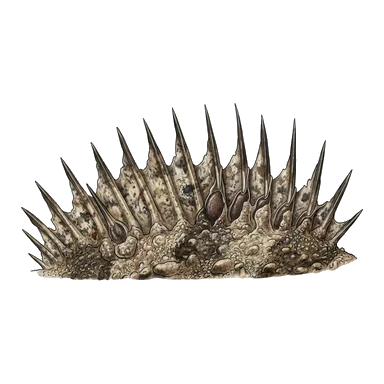 Giftstacheln
The walking catfish is a freshwater fish that can crawl across wet land to reach new water. It lives in Southeast Asia and has also been introduced to places such as Florida. Its spiny defence is the reason it needs careful handling.1
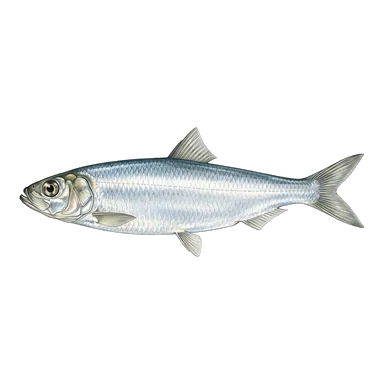
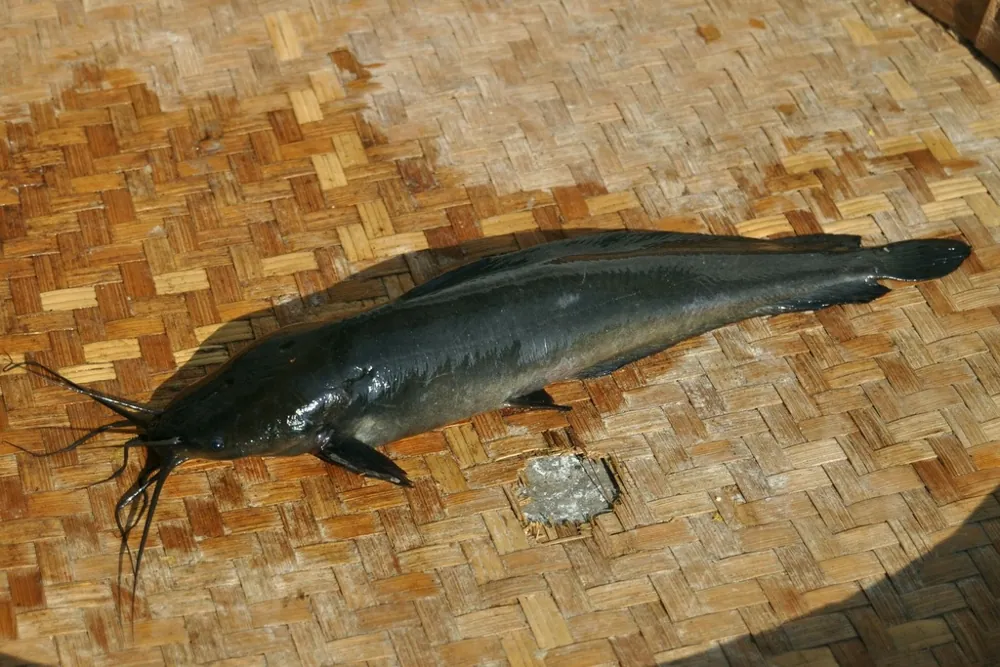
 So erkennst du es
- Elongated body, grey or grey-brown in colour1
- Often covered on its sides with small white spots1
- Long dorsal and anal fins, and several pairs of sensory barbels1
- Scaleless skin covered in mucus1
- No adipose fin, a small fleshy fin on the back near the tail1
Oft verwechselt mit: It is often confused with North American ictalurid catfish and with close relatives such as C. magur. The walking catfish can be told apart from the North American ictalurid catfish because it lacks an adipose fin.1
Giftkraft
Spitze Stacheln tragen das Gift. Drauftreten oder Anfassen tut weh.
Wie gefährlich ist es für Menschen?
Gefahr für Menschen: SchmerzhaftEs kann richtig wehtun, ist aber fast nie gefährlich.It must be handled carefully when fished because of its embedded sting or thorn-like spines. It is also harmful as an invasive species, because it eats the food of native fish, preys on their young and can destroy fish farms.1
Was macht es, wenn es Angst hat?
It has a sting or thorn-like spine hidden behind its fins, which it uses to defend itself.1
 Wenn dich seine Stacheln stechen
- Leg die Wunde in heißes Wasser, so heiß, wie die Person es aushält, ohne sich zu verbrühen (prüf es mit deiner eigenen Hand), 30 bis 90 Minuten lang. Hol ärztliche Hilfe, besonders bei Steinfischen und Stachelrochen.
Ruf immer zuerst deine Notrufnummer an (112, 000, 911). Das sind allgemeine Erste-Hilfe-Hinweise, keine ärztliche Beratung. Erste-Hilfe-Grundlagen
 Bleib sicher
- Fass ein wildes Tier niemals an, fang es nicht und ärgere es nicht, auch kein kleines, und auch nicht, wenn es schlafend aussieht oder tot.
- Halte Abstand. Wenn du einem begegnest, bleib ruhig, geh langsam zurück und lass es seiner Wege gehen.
- Wenn dich seine Stacheln stechen: Bleib ruhig, halt still, ruf deine Notrufnummer an (112, 000, 911) oder fahr schnell in ein Krankenhaus. Merk dir, wie es aussah, ein Foto hilft.
Es hat es nicht auf dich abgesehen. Es benutzt sein Gift, um Futter zu fangen oder sich zu schützen, und versteckt sich viel lieber. Mehr über Sicherheit
Wo auf der Welt?
Wie groß ist es?
Wie lang ist es?
Wie schwer ist es?
 so lang wie 3 Bananen hintereinander
 so lang wie 16 Bausteine in einer Reihe
 könnte die Länge eines großen Schwimmbeckens (50 m) in 30 Sekunden schwimmen
Wie groß ist Walking catfish im Vergleich zu DIR?
Nur Rechnen in deinem Browser. Nichts wird gespeichert oder irgendwohin geschickt.
Wie schnell ist es?
Fakten
It can survive 18 hours out of water.1
It moves over land with snake-like wiggles, using its pectoral fins to stay upright.1
In Florida, fish farmers have had to put up fences to protect their ponds from them.1
It often rises to the surface to gulp air, because it breathes air as well as using water.1
Walking catfish were imported to Florida in the early 1960s for aquaculture, and escapes led to wild populations.1
In Indonesia it is known as lele and is the main ingredient in dishes such as pecel lele.1
Mythen-Check
Mythos: The walking catfish truly walks on land like a four-legged or two-legged animal.
Wahrheit: It does not walk in that way. It uses its pectoral fins to stay upright while it wiggles its body in snake-like movements.1
Woher die Fakten kommen
- Walking catfish (Wikipedia (CC BY-SA 4.0))
- Clarias batrachus (iNaturalist): Namen und Klassifikation.
- Venom Wiki: die Gefahrenstufe, die typische Größe und die geschätzte Geschwindigkeit sind von uns. So berechnen wir sie: So bewerten wir die Gefahr.
Jeder Fakt auf dieser Seite hat eine Nummer, die auf seine Quelle zeigt. Wenn wir etwas falsch haben: Entschuldigung, wir sind Tierfans, keine Fachzeitschrift. Schreib uns an [email protected] und wir korrigieren es.
 Der Skorpion hat Hunger! Venom Wiki ist ein Ein-Mann-Projekt: kostenlos, ohne Werbung und ohne Tracker. Ein kleines Trinkgeld hilft, es online zu halten.Füttere den Skorpion
Mehr aus derselben Gruppe: Giftfische
 Giant freshwater stingrayGiftfischeBraucht einen Arzt
 Asian stinging catfishGiftfischeBraucht einen ArztNicht anfassen
 Reef stonefishGiftfischeKann tötenNicht anfassen
 Red lionfishGiftfischeBraucht einen ArztNicht anfassen
 Estuarine stonefishGiftfischeKann tötenNicht anfassen
 Short-tail stingrayGiftfischeKann töten
 Deathstalker
 Indian cobra
 Indian saw-scaled viper
 King cobra
 Puff adder
 Kettenviper