
 Αφρική
 Ασία
Ασία Ευρώπη
 Νότια Αμερική
 Αυστραλία και Ωκεανία
 Ανταρκτική
 Ειρηνικός Ωκεανός
 Ατλαντικός Ωκεανός
 Ινδικός Ωκεανός
 Αρκτικός Ωκεανός
 Μεσόγειος Θάλασσα
 Ερυθρά Θάλασσα
 Καραϊβική Θάλασσα
 Θάλασσα των Κοραλλιών
 Θάλασσα της Νότιας Κίνας
 Θάλασσα των Φιλιππίνων
 Θάλασσα Ανταμάν
 Βόρεια Θάλασσα
 Θάλασσα του Τιμόρ και Θάλασσα Αραφούρα
 Κόλπος της Βεγγάλης
 Κόλπος της Καλιφόρνιας
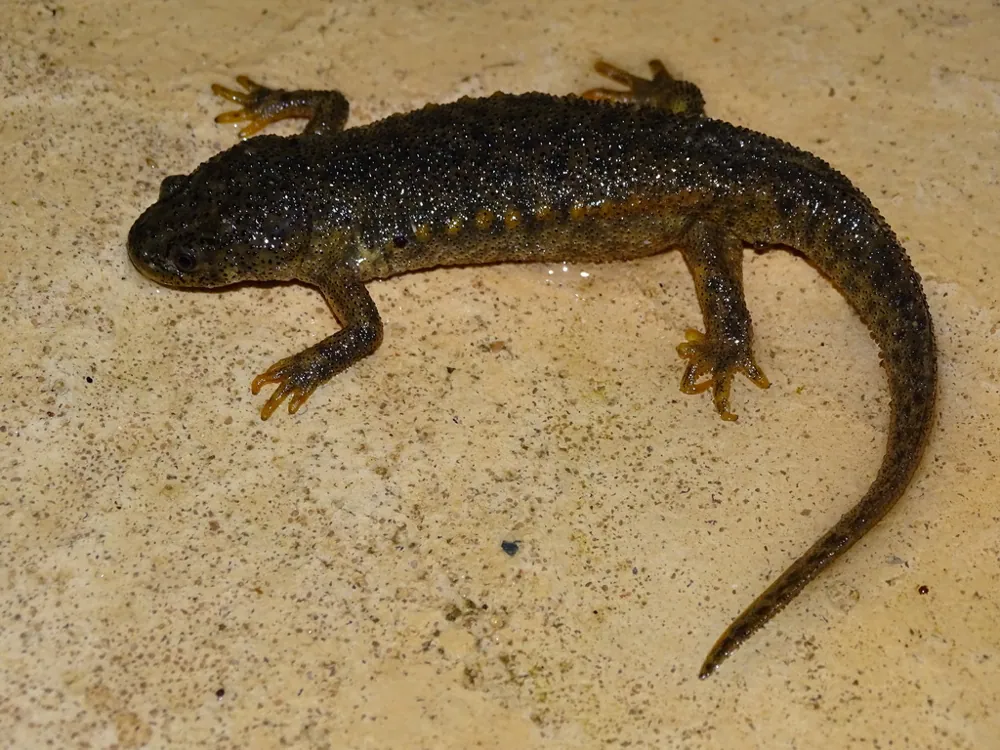
Iberian ribbed newt
 Αγκάθια με δηλητήριοΤρώει: ΚρέαςΔηλητηριώδες, όχι ιοβόλο
The Iberian ribbed newt is a salamander that lives in ponds and wells in Spain, Portugal and northern Morocco. It is the largest European newt species. When threatened, it can push its sharp ribs out through its skin, which gives it a way to defend itself against predators.1



 Πώς να το αναγνωρίσεις
- Dark grey on its back and lighter grey on its belly, with small rust-coloured spots1
- Usually 8 to 10 orange, wart-like bumps (tubercles) running down each side of the body1
- Flat, spade-shaped head and a long tail, about half of its body length1
- Males are more slender and usually smaller than females1
- Larvae have bushy external gills and paler colours than adults1
Συχνά μπερδεύεται με: It is sometimes confused with the Iberian newt (Lissotriton boscai), a different species with a similar common name.1
Δύναμη δηλητηρίου
Κοφτερά αγκάθια έχουν το δηλητήριο. Αν το πατήσεις ή το πιάσεις, πονάει.
Τι κάνει το δηλητήριό του όταν δαγκώνει ή τσιμπάει;
When threatened, the newt releases a milky, thick poison from glands on its neck, back, sides and tail as its ribs push out. The poison coats the ribs, which can pierce the skin of a predator's mouth and inject toxins.1
Πόσο επικίνδυνο είναι για τους ανθρώπους;
Κίνδυνος για τους ανθρώπους: ΉπιοΣαν τσίμπημα μέλισσας ή λιγότερο. Σχεδόν ακίνδυνο για τους ανθρώπους.The rib defence is completely harmless to humans. The ribs cause only little harm to the newt itself, and its skin quickly heals without infection.1
Τι κάνει όταν φοβάται;
It tries to run away from predators first. If it cannot escape, it pushes its sharp ribs through its sides and releases poison.1
 Αν σε τρυπήσουν τα αγκάθια του
- Αν κάποιος άγγιξε ένα: πλύνε καλά τα χέρια και μην αγγίζεις τα μάτια ή το στόμα. Αν ένα παιδί ή ένα κατοικίδιο έγλειψε ή έφαγε ένα: κάλεσε το Κέντρο Δηλητηριάσεων ή τον αριθμό έκτακτης ανάγκης.
Πάντα να καλείς πρώτα τον αριθμό έκτακτης ανάγκης (112, 000, 911). Αυτές είναι γενικές οδηγίες πρώτων βοηθειών, όχι ιατρική συμβουλή. Βασικές πρώτες βοήθειες
 Να προσέχεις
- Ποτέ μην αγγίζεις, μην πιάνεις και μην πειράζεις ένα άγριο ζώο, ακόμα κι αν είναι μικρό, και ακόμα κι αν φαίνεται κοιμισμένο ή νεκρό.
- Άφησέ του χώρο. Αν συναντήσεις κάποιο, κράτα την ψυχραιμία σου, κάνε αργά πίσω και άφησέ το να φύγει στον δρόμο του.
- Αν σε τρυπήσουν τα αγκάθια του: κράτα την ψυχραιμία σου, μην κουνιέσαι, κάλεσε τον αριθμό έκτακτης ανάγκης (112, 000, 911) ή πήγαινε γρήγορα στο νοσοκομείο. Θυμήσου πώς ήταν, μια φωτογραφία βοηθάει.
Δεν σε κυνηγάει. Χρησιμοποιεί το δηλητήριό του για να πιάσει τροφή ή για να προστατευτεί, και προτιμά πολύ περισσότερο να κρυφτεί. Περισσότερα για την ασφάλεια
Πόσο μεγάλο είναι;
Πόσο μακρύ είναι;
 μακρύ σαν 9 τουβλάκια στη σειρά
Iberian ribbed newt: πόσο μεγάλο είναι σε σύγκριση με ΕΣΕΝΑ;
Απλώς μαθηματικά στο πρόγραμμα περιήγησής σου. Τίποτα δεν αποθηκεύεται και δεν στέλνεται πουθενά.
Πόσο γρήγορο είναι;


Στοιχεία
Its ribs can push through its skin to act as a defence, a primitive and rudimentary form of envenomation.1
It is a model animal for regeneration research. It can regrow lost limbs, injured heart tissue, brain cells, eye lenses and parts of its spinal cord.1
This newt has been sent into space on at least six missions, starting in 1985.1
In genetic males and females, temperature can override sex chromosomes. Some ZW larvae reared at 32 °C (90 °F) become functional males.1
Its immune system, rib-coated collagen and antimicrobial peptides let the pierced skin heal quickly without infection.1
Females can keep live sperm in their cloaca for up to five months.1
Καταρρίπτω μύθους
Μύθος: The newt's ribs and poison are dangerous to people.
Αλήθεια: The ribs and poison are a defence against predators. The rib defence is completely harmless to humans.1
Για ειδικούς στα δηλητήρια
- Επιστημονική ονομασία
- Pleurodeles waltl
- Ομάδα
- Δηλητηριώδεις βάτραχοι, φρύνοι και τρίτωνες
- Οικογένεια
- Salamandridae2
- Σειρά
- Caudata
- Ήπειροι
- Ευρώπη, Αφρική
- Μωρά
- The young are born in water as larvae, breathing through gills. They lose their gills as their limbs grow and can then live on land as well as in water.1
- Πώς τα πάει στη φύση
- Least Concern (IUCN, assessed October 2020)1
- Κίνδυνος για τους ανθρώπους
- 1 / 5: Ήπιο3
Από πού έρχονται τα στοιχεία
- Iberian ribbed newt (Wikipedia (CC BY-SA 4.0))
- Pleurodeles waltl (iNaturalist): ονόματα και ταξινόμηση.
- Venom Wiki: το επίπεδο κινδύνου, το τυπικό μέγεθος και η εκτίμηση ταχύτητας είναι δικά μας. Δες πώς τα υπολογίζουμε: Πώς βαθμολογούμε τον κίνδυνο.
Κάθε στοιχείο σε αυτή τη σελίδα έχει έναν αριθμό που δείχνει την πηγή του. Αν κάναμε λάθος, συγγνώμη, είμαστε φαν των ζώων, όχι επιστημονικό περιοδικό. Πες μας στο [email protected] και θα το διορθώσουμε.
 Ο σκορπιός πεινάει! Το Venom Wiki είναι το έργο ενός ανθρώπου: δωρεάν, χωρίς διαφημίσεις και χωρίς ιχνηλάτες. Ένα μικρό φιλοδώρημα βοηθάει να μείνει online.Τάισε τον σκορπιό
Περισσότερα από την ίδια ομάδα: Δηλητηριώδεις βάτραχοι, φρύνοι και τρίτωνες
 Fire salamanderΔηλητηριώδεις βάτραχοι, φρύνοι και τρίτωνεςΑπλώς πονάειΜην αγγίζεις
 Common toadΔηλητηριώδεις βάτραχοι, φρύνοι και τρίτωνεςΑπλώς πονάειΜην αγγίζεις
 European fire-bellied toadΔηλητηριώδεις βάτραχοι, φρύνοι και τρίτωνεςΑκίνδυνο
 Golden mantellaΔηλητηριώδεις βάτραχοι, φρύνοι και τρίτωνεςΑκίνδυνο
 Natterjack toadΔηλητηριώδεις βάτραχοι, φρύνοι και τρίτωνεςΑκίνδυνο
 Tomato frogΔηλητηριώδεις βάτραχοι, φρύνοι και τρίτωνεςΑκίνδυνο
Ζει επίσης σε: Ευρώπη
 Common European adderΟχιέςΧρειάζεται γιατρό
 Spanish flyΆλλα δηλητηριώδη ζώαΧρειάζεται γιατρόΜην αγγίζεις
 Common waspΜέλισσες, σφήκες και μεγάλες σφήκεςΑπλώς πονάει
 European hornetΜέλισσες, σφήκες και μεγάλες σφήκεςΑπλώς πονάει
 Western honey beeΜέλισσες, σφήκες και μεγάλες σφήκεςΑπλώς πονάει
 Blunt-nosed viperΟχιέςΜπορεί να σκοτώσει