
 Αφρική
 Ασία
Ασία Ευρώπη
 Νότια Αμερική
 Αυστραλία και Ωκεανία
 Ανταρκτική
 Ειρηνικός Ωκεανός
 Ατλαντικός Ωκεανός
 Ινδικός Ωκεανός
 Αρκτικός Ωκεανός
 Μεσόγειος Θάλασσα
 Ερυθρά Θάλασσα
 Καραϊβική Θάλασσα
 Θάλασσα των Κοραλλιών
 Θάλασσα της Νότιας Κίνας
 Θάλασσα των Φιλιππίνων
 Θάλασσα Ανταμάν
 Βόρεια Θάλασσα
 Θάλασσα του Τιμόρ και Θάλασσα Αραφούρα
 Κόλπος της Βεγγάλης
 Κόλπος της Καλιφόρνιας
Mamushi
 Δαγκώματα
The mamushi is a pit viper, a type of snake that has heat-sensing pits between its eyes and nostrils. It lives in Japan, in places such as swamps, meadows and farmland. It matters because its bite is one of the most dangerous of Japan's snakes.1



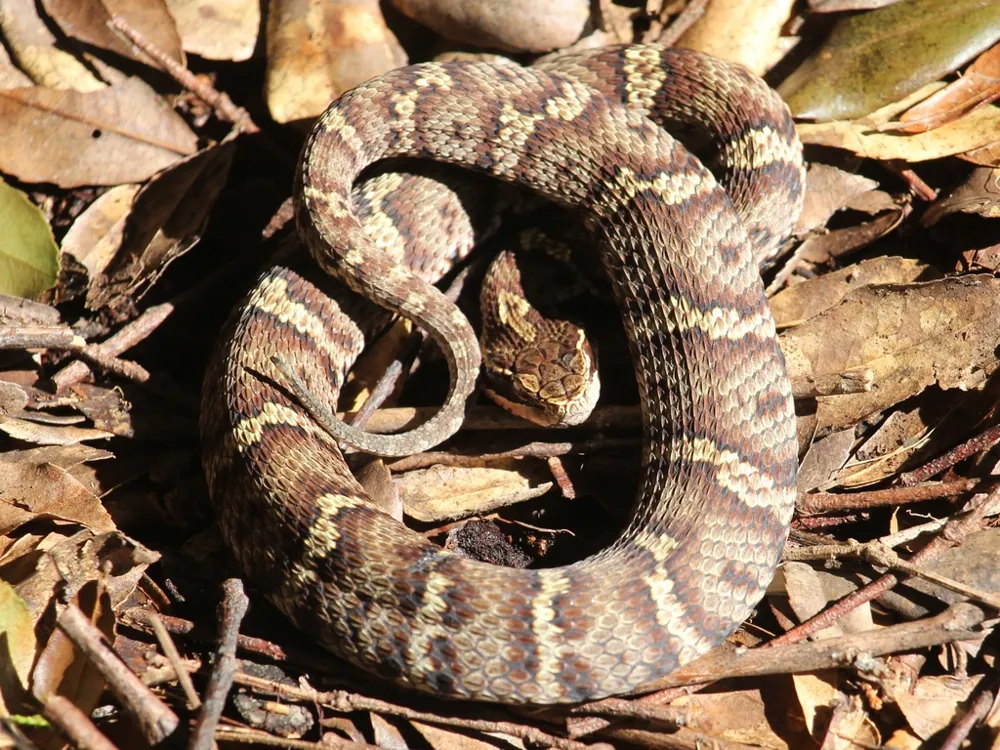
 Πώς να το αναγνωρίσεις
- Background colour is pale grey, reddish-brown or yellow-brown.1
- A series of irregular blotches runs along the body. Each blotch has a black border and often a lighter centre.1
- The head is dark brown or black, with beige or pale-grey sides.1
- Adults are typically 45 to 81 cm long.1
- It has excellent camouflage and often hides among plants or leaf litter.1
Συχνά μπερδεύεται με: It is similar to the cottonmouths and copperheads (Agkistrodon) of the Americas, and it was long considered part of the same group.1
Δύναμη δηλητηρίου
Το δηλητήριο βγαίνει από τα δόντια του όταν δαγκώνει.
Τι κάνει το δηλητήριό του όταν δαγκώνει ή τσιμπάει;
Its venom is mostly haemolytic, meaning it breaks down red blood cells. It also contains two neurotoxins, which attack the nerves, and an anticoagulant, which stops blood from clotting. Reported effects include kidney failure, visual disturbances and palsy (paralysis).1
Πόσο επικίνδυνο είναι για τους ανθρώπους;
Κίνδυνος για τους ανθρώπους: Πολύ επικίνδυνοΜπορεί να σκοτώσει έναν άνθρωπο που δεν παίρνει θεραπεία.About 2000 to 3000 people in Japan are bitten by a mamushi each year. Approximately 10 die annually. Severe bites require intensive care, and typical bite victims need about one week of hospital treatment.1
 Καλά νέα: οι γιατροί έχουν φάρμακο (ορό κατά του δηλητηρίου) ή θεραπεία γι' αυτό.1
 Αν δαγκώνει
- Treatment is given in hospital. It involves cutting the wound to remove venom and injecting mamushi antivenom. Pregnant women who are bitten have had miscarriages, so medical care is essential.1
- Κράτα τον άνθρωπο ακίνητο και ήρεμο, κράτα το άκρο που δαγκώθηκε στο ύψος της καρδιάς, βγάλε δαχτυλίδια και ό,τι σφίγγει και πήγαινε γρήγορα στο νοσοκομείο.
Πάντα να καλείς πρώτα τον αριθμό έκτακτης ανάγκης (112, 000, 911). Αυτές είναι γενικές οδηγίες πρώτων βοηθειών, όχι ιατρική συμβουλή. Βασικές πρώτες βοήθειες
 Να προσέχεις
- Ποτέ μην αγγίζεις, μην πιάνεις και μην πειράζεις ένα άγριο ζώο, ακόμα κι αν είναι μικρό, και ακόμα κι αν φαίνεται κοιμισμένο ή νεκρό.
- Άφησέ του χώρο. Αν συναντήσεις κάποιο, κράτα την ψυχραιμία σου, κάνε αργά πίσω και άφησέ το να φύγει στον δρόμο του.
- Αν σε δαγκώσει κάποιο: κράτα την ψυχραιμία σου, μην κουνιέσαι, κάλεσε τον αριθμό έκτακτης ανάγκης (112, 000, 911) ή πήγαινε γρήγορα στο νοσοκομείο. Θυμήσου πώς ήταν, μια φωτογραφία βοηθάει.
Δεν σε κυνηγάει. Χρησιμοποιεί το δηλητήριό του για να πιάσει τροφή ή για να προστατευτεί, και προτιμά πολύ περισσότερο να κρυφτεί. Περισσότερα για την ασφάλεια
Πόσο μεγάλο είναι;
Πόσο μακρύ είναι;
 μακρύ σαν 1,5 γάτες του σπιτιού από τη μύτη ως την ουρά
 μακρύ σαν 5 μπανάνες στη σειρά
 θα μπορούσε να τρέξει 100 μέτρα σε 110 δευτερόλεπτα (ο πιο γρήγορος άνθρωπος χρειάζεται 9,6)
Mamushi: πόσο μεγάλο είναι σε σύγκριση με ΕΣΕΝΑ;
Απλώς μαθηματικά στο πρόγραμμα περιήγησής σου. Τίποτα δεν αποθηκεύεται και δεν στέλνεται πουθενά.
Πόσο γρήγορο είναι;


Στοιχεία
Recovery takes a long time. Bite victims may need several months to fully recover, even after hospital treatment and weeks of follow-up care.1
It is highly resistant to its own venom because its blood contains neutralising factors, including phospholipase A2 (PLA2) inhibitors.1
Its beta-toxin acts before the nerve junction, so anticholinesterase drugs cannot block or treat its effects.1
Its venom contains a peptide called ablomin, which is very similar in amino acid sequence to helothermine, a venom peptide of the Mexican beaded lizard.1
It is considered one of the most venomous snakes in Japan, along with the yamakagashi and the Okinawan habu.1
Its venom varies very little across Japan in either potency or effects.1
Από πού έρχονται τα στοιχεία
- Mamushi (Wikipedia (CC BY-SA 4.0))
- Gloydius blomhoffii (iNaturalist): ονόματα και ταξινόμηση.
- Venom Wiki: το επίπεδο κινδύνου, το τυπικό μέγεθος και η εκτίμηση ταχύτητας είναι δικά μας. Δες πώς τα υπολογίζουμε: Πώς βαθμολογούμε τον κίνδυνο.
Κάθε στοιχείο σε αυτή τη σελίδα έχει έναν αριθμό που δείχνει την πηγή του. Αν κάναμε λάθος, συγγνώμη, είμαστε φαν των ζώων, όχι επιστημονικό περιοδικό. Πες μας στο [email protected] και θα το διορθώσουμε.
 Ο σκορπιός πεινάει! Το Venom Wiki είναι το έργο ενός ανθρώπου: δωρεάν, χωρίς διαφημίσεις και χωρίς ιχνηλάτες. Ένα μικρό φιλοδώρημα βοηθάει να μείνει online.Τάισε τον σκορπιό
 Brown spotted pit viper
 Habu
Habu Hump-nosed viper
 Hundred-pace viper
 Malayan pit viper
 Mangshan pit viper
 Deathstalker
 Indian cobra
 Indian saw-scaled viper
 King cobra
 Αφρικανική οχιά
 Οχιά του Ράσελ